

Gran Canaria A Paradise of Contrast on Two Wheels
Gran Canaria has become the favourite destination among cyclists in the last few years owing to the good climate on the island and the challenging routes it offers. The island has hosted professionals of the calibre of Alberto Contador, entire pro cycling teams such as Tinkoff, world champion triathletes like Daniela Ryf and Stöckli’s Swiss mountain bike racer, Jolanda Neff. But, the fact that it’s teeming with pros does not mean they have exclusive rights to the land – amateurs can also delight in touring it on two wheels. Here is what is special about this island, and my recommendations.
Advantages of Gran Canaria as a Cycling Destination
- The mean annual temperature is 21°.
- Direct flights from most European airports.
- Good, tarred roads with little traffic, as well as cautious drivers accustomed to cyclists.
- The land elevation is almost 2,000 metres (1,949 m) in the Pico de las Nieves, considered to be one of Europe’s toughest mountain passes, together with Mortirolo, Angliru and Stelvio. However, here the advantage is that the temperature is much warmer than in Asturias or the Alps.
- Marked scenic contrasts, ranging from white sand dunes in Maspalomas to tropical parkland in the north of the island, to the oasis in the Fataga Gorge.
Practical Tips
Accommodation. If you’re seeking tranquility and vegetation, the best option is to stay in the north. A good spot is the Bandama Golf Resort, which forms part of the oldest golf course in Spain, located in the Bandama Caldera with its noticeable volcanic presence. Nearby you will come across the vineyards of the Bodegón Vandama, offering delicious dishes well worth trying. And, if you require other services, as well as sun and long afternoons, the Barceló Margaritas in Maspalomas is a good choice, with the broadest culinary variety to be had in the hotel itself. Remember that, if you want to pedal, you’re going to have to rest and eat properly.
Essential routes and sights. The number of places you visit will depend partly on the length of your stay. Detailed descriptions and route times can be sourced at the Strava cycling community. Following are the key points, and a rundown of what to expect in terms of your level, to help you plan your itinerary.
Pico de las Nieves. This is the highest point on the island, situated in its centre. On a clear day you can pick out Mt Teide on Tenerife and Roque Nublo from there. Different access routes are available. The toughest route – which I would not recommend, unless you’re a seasoned climber – is the Ingenio por Cazadores, which reaches gradients of 23%. Next comes the ascent from Ayacata, which you get to from Maspalomas, while the easiest route is on the north side, via Cueva Grande. You need to take the climb leisurely. Once at the top, apart from some fine views, there is a food station where you can refuel.
Tejeda. A mountain village with excellent gastronomic offerings. If you’re planning a route on a non-competitive day, this is an ideal spot for stopping to enjoy some traditional island cuisine.
Three Big Dams (Soria, Las Niñas, Chira). It is surprising to come across so much water on the south of the island. All the dams are connected by district roads with virtually no traffic. If you’re after peace and quiet, this is a great route.
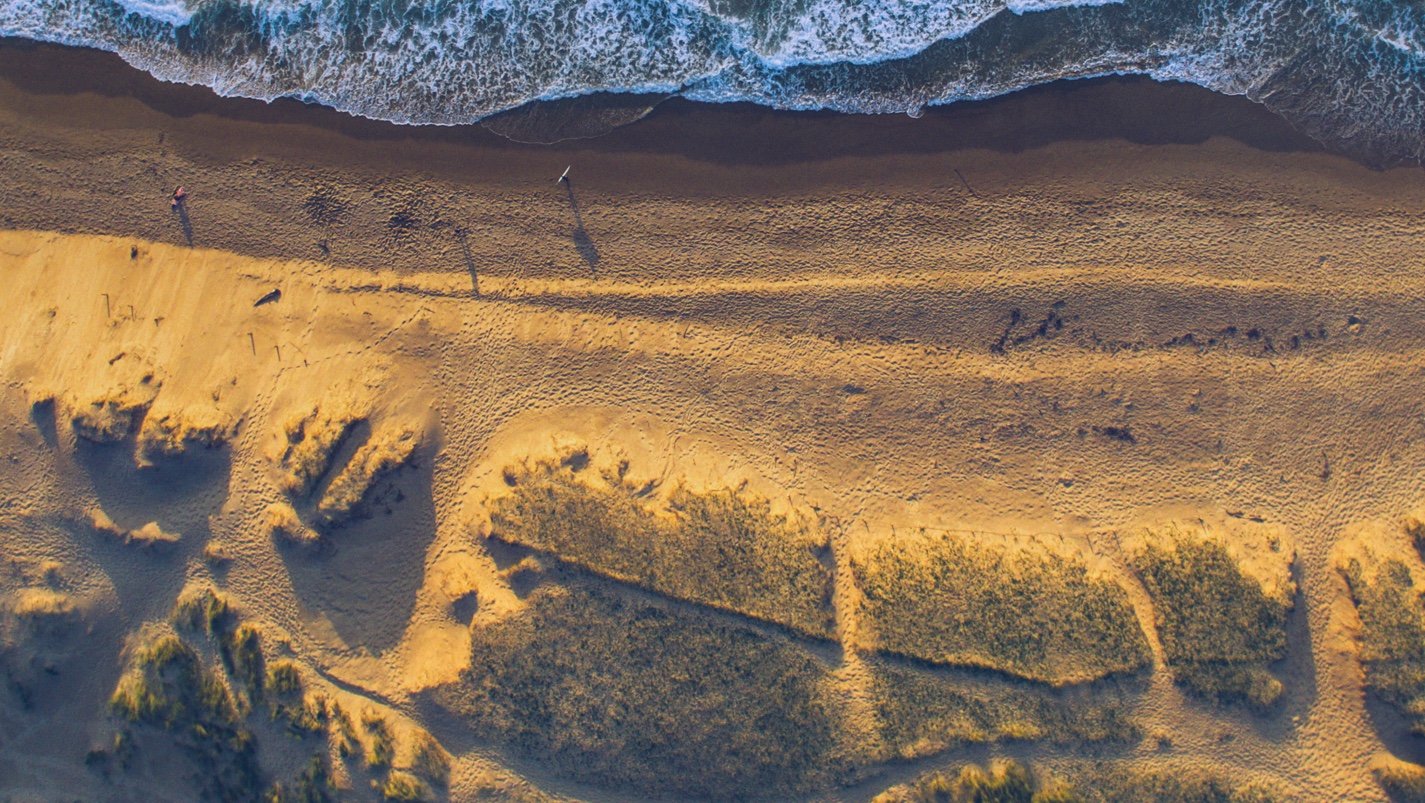
Maspalomas Dunes. For those who have never seen sand dunes, this is a must-visit destination, featuring dunes worthy of the Sahara. My advice is to go there at dusk, when the light is at its best.
Fataga Gorge. It starts just past the Degollada de las Yeguas, and the scenery ranges from a desert landscape to a “valley of a thousand palm trees”. Those who have been to Morocco will feel like they’re still in the Draa Valley.
Artenara. Located in the Tamadaba Nature Reserve, the vegetation here is different from the rest of the island, the prevailing species being the indigenous Canary Island pine.
Puerto de Mogán and Güi-Güi Beach. Puerto de Mogán is near the great dams route, while Güi-Güi beach can be reached on foot and is well worth visiting.
If the weather is still bleak and cold where you live, don’t think twice – get away to Gran Canaria and discover the island on two wheels. Book your ticket at Vueling.
Text by Raúl Casañas
more info
The 4 top diving sites in Europe
You don't need to travel to Southeast Asia or the Caribbean to find the best sea beds: taking a plane to any of these destinations will suffice. Discover the best diving sites in Europe!
more info
What if I need to change or cancel my flight with Vueling?
If something unexpected happens and you have to change your plans, you have several options to change or cancel your flight.
more info
Al final del camino
Camino de Santiago. A trip to experience.
It’s a fact. Everyone who has walked the road to Santiago agrees, the trip leaves marks for life. But, what does Camino de Santiago have to cause such profound impression to everyone? Is it for the people you meet along the way or the amazing landscapes it goes through? Is it, maybe, the reward of arriving by your own merits to the final destination, Santiago, after many days walking?.
The numbers are compelling: every year, more and more pilgrims arrive to Santiago de Compostela, especially on Holy Years. This is a unique experience that combines a sport challenge and seeking for authenticity and discovering your own self. The final goal is to arrive to Santiago, the center of Jacobean tradition and a place of pilgrimage, after the grave of apostle Santiago was found in the 9th century.
The route has become a mass phenomenon, connecting a network of roads with Santiago as the final destination. No other city is so warm welcoming for travelers and pilgrims; this is a meeting point for people from all over the world.
The city. A great monumental complex.
Santiago de Compostela was declared Cultural Heritage of Humanity in 1985, because of its urban beauty, monuments and for keeping the spiritual essence of an apostolic sanctuary.
The city combines perfectly tradition and modernity, in a great monumental complex. The Obradoiro square, which welcomes thousands of pilgrims, is a good example of how the past and the future coexist here, hand-in-hand. Taking a look around the square we can discover many different architectonic styles from buildings that were built during over 700 years on the making. The people look from the Cathedral to the Hostal dos Reis Católicos or from the Colexio de San Xerome to the Pazo de Raxoi, headquarters for the city council.
Along to the abundant green areas, many urban parks and forests surrounding the city, Santiago is a magic and charming place to visit.
For the food lovers.
Whether you choose a good and economic three-course menu, which recovers the energy of the pilgrims, or you prefer a casual meal of tasty portions or original mixes, Santiago is the place to go for food lovers.
Who can resist a tasty pie filled with the most daring combinations, pork with turnip tops, the best seafood, veal, octopus or a strong Galician soup? Or the distinctive taste of a wide variety of cheese: tetilla cheese, Arzúa-Ulloa, O Cebreiro or San Simón?.
Tarta de Santiago is a famous dessert, with over 200 years of history, combining the right proportions of ground almonds, eggs, sugar, butter and hints of cinnamon, under the Apostle cross drawn on sugar.
You can combine culture and gastronomy, can’t you? The place to go is Abastos market, a beautiful building from 1941. This place is the second most visited place in Santiago after the Cathedral. Around here you will find great restaurants and even places where you can ask the owner to cook the products you have purchased at the market.
So you feel like visiting Santiago, do you? Book your flights here!
more info