

Tips to find cheap flights with Vueling
Which are the cheapest days of the week to fly? How do I find cheap flights or even bargains? There isn’t a magical formula, but we do have a few tips that may help you to find the cheapest flights.
more info
Travelling while working remotely – it can be done!
Are you working from home? Great! As you can bring your laptop with you, it’s the perfect time to enjoy a change of scenery for a few days and discover new places.
more info
Gran Canaria The Great Atlantic Escape
Our free days are a pleasant surprise on the calendar and the best way to get the most out of them is to board a plane bound for some fresh, entertaining and getatable destination. That spot is Gran Canaria, a whirlwind of sensations, halfway between Europe, Africa and America.
Gran Canaria is just a two-hour flight from the Iberian Peninsula. So, getting there is really easy. A comfortable trip with no stopovers will convey you to that diverse land which emerged millions of years ago from submerged volcanoes in the depths of the Atlantic.
One of the perks offered by a Gran Canaria getaway is, of course, the winter sun. Temperatures on the island remain a constant 24 degrees all year around, enabling you to make the most of any outing to Las Canteras, Maspalomas, Playa del Inglés or Puerto de Mogán, some of the best known and famous beaches.
The Gran Canaria seaboard is the perfect setting for letting off steam by engaging in watersports, but, if what you’re after is making forays into the island’s interior, you should make a point of visiting the towns of Teror, Agüimes, Tejeda and Artenara, or such stunning spots as the Guayadeque Gorge, an ancient pre-Hispanic settlement which nowadays is noted for its striking, cosy cave houses.
Any trip to Gran Canaria should include a visit to the island’s summit, a central area in the Biosphere Reserve where the Roque Nublo and Roque Bentayga outcrops stand. Oh, and remember to get your camera ready. There, you will literally feel like you have arrived in heaven when the weather phenomenon known as the “sea of clouds” spreads out at your feet, as if you were the main subject in a painting set against the memorable scenery of steep mountains and deep gorges.
The north coast of Gran Canaria features some must-see sites such as Puerto de Las Nieves and the Valle de Agaete, a lush garden with tropical fruit housing the only coffee plantation in Europe. Gáldar awaits you with the majesty of the Cueva Pintada (Painted Cave), the largest native Canarian archaeological site, while Arucas, for its part, is the headquarters of Arehucas Rum, a peerless drink which has livened up the festivities of many generations of Canary Islanders.
Well worth visiting is Las Palmas de Gran Canaria, a carefree capital with a wealth of cultural activities. Its Vegueta district is the city’s historic centre and you are urged to venture into the monumental area to see close-up the Cathedral of Santa Ana, Museo Canario, Centro Atlántico de Arte Moderno and Christopher Columbus House Museum, a beautiful enclave where the Genoese navigator stopped over on his way to discovering America and which highlights the relationship between the Canary Islands and the New World.
If you’re up for an intense day of shopping at more than reasonable prices, the Calle Mayor de Triana is the ideal spot for it. Large, national and international firms and prestigious brands have stores in this shopping area, and the latter is a pleasure on the eyes, as the district features picturesque buildings in various architectural styles.
Gran Canaria is a lively island, an urban travel destination where you can soak up the atmosphere of its street markets and craft stalls, as well as the various events held there during the year. The last quarter of 2016 will see such long-awaited events as the start of the ARC Transatlantic Race, the Underwater Photography Contest, the Bethlehem built of sand on Las Canteras beach or the Gran Canaria Walking Festival, a grand event for trekking enthusiasts which in this upcoming fifth edition will be including new routes and a night itinerary for star-gazing on the Cumbre de Tejeda.
All these offerings make Gran Canaria a unique destination for an exciting long weekend or warm autumn or winter holiday. Here, time flies by and the island has lots of travel plans to be savoured in advance.
Why wait to experience all this first-hand? Check out our flights here.
Images by Patronato Turismo Gran Canaria
more info
Gran Canaria A Paradise of Contrast on Two Wheels
Gran Canaria has become the favourite destination among cyclists in the last few years owing to the good climate on the island and the challenging routes it offers. The island has hosted professionals of the calibre of Alberto Contador, entire pro cycling teams such as Tinkoff, world champion triathletes like Daniela Ryf and Stöckli’s Swiss mountain bike racer, Jolanda Neff. But, the fact that it’s teeming with pros does not mean they have exclusive rights to the land – amateurs can also delight in touring it on two wheels. Here is what is special about this island, and my recommendations.
Advantages of Gran Canaria as a Cycling Destination
- The mean annual temperature is 21°.
- Direct flights from most European airports.
- Good, tarred roads with little traffic, as well as cautious drivers accustomed to cyclists.
- The land elevation is almost 2,000 metres (1,949 m) in the Pico de las Nieves, considered to be one of Europe’s toughest mountain passes, together with Mortirolo, Angliru and Stelvio. However, here the advantage is that the temperature is much warmer than in Asturias or the Alps.
- Marked scenic contrasts, ranging from white sand dunes in Maspalomas to tropical parkland in the north of the island, to the oasis in the Fataga Gorge.
Practical Tips
Accommodation. If you’re seeking tranquility and vegetation, the best option is to stay in the north. A good spot is the Bandama Golf Resort, which forms part of the oldest golf course in Spain, located in the Bandama Caldera with its noticeable volcanic presence. Nearby you will come across the vineyards of the Bodegón Vandama, offering delicious dishes well worth trying. And, if you require other services, as well as sun and long afternoons, the Barceló Margaritas in Maspalomas is a good choice, with the broadest culinary variety to be had in the hotel itself. Remember that, if you want to pedal, you’re going to have to rest and eat properly.
Essential routes and sights. The number of places you visit will depend partly on the length of your stay. Detailed descriptions and route times can be sourced at the Strava cycling community. Following are the key points, and a rundown of what to expect in terms of your level, to help you plan your itinerary.
Pico de las Nieves. This is the highest point on the island, situated in its centre. On a clear day you can pick out Mt Teide on Tenerife and Roque Nublo from there. Different access routes are available. The toughest route – which I would not recommend, unless you’re a seasoned climber – is the Ingenio por Cazadores, which reaches gradients of 23%. Next comes the ascent from Ayacata, which you get to from Maspalomas, while the easiest route is on the north side, via Cueva Grande. You need to take the climb leisurely. Once at the top, apart from some fine views, there is a food station where you can refuel.
Tejeda. A mountain village with excellent gastronomic offerings. If you’re planning a route on a non-competitive day, this is an ideal spot for stopping to enjoy some traditional island cuisine.
Three Big Dams (Soria, Las Niñas, Chira). It is surprising to come across so much water on the south of the island. All the dams are connected by district roads with virtually no traffic. If you’re after peace and quiet, this is a great route.
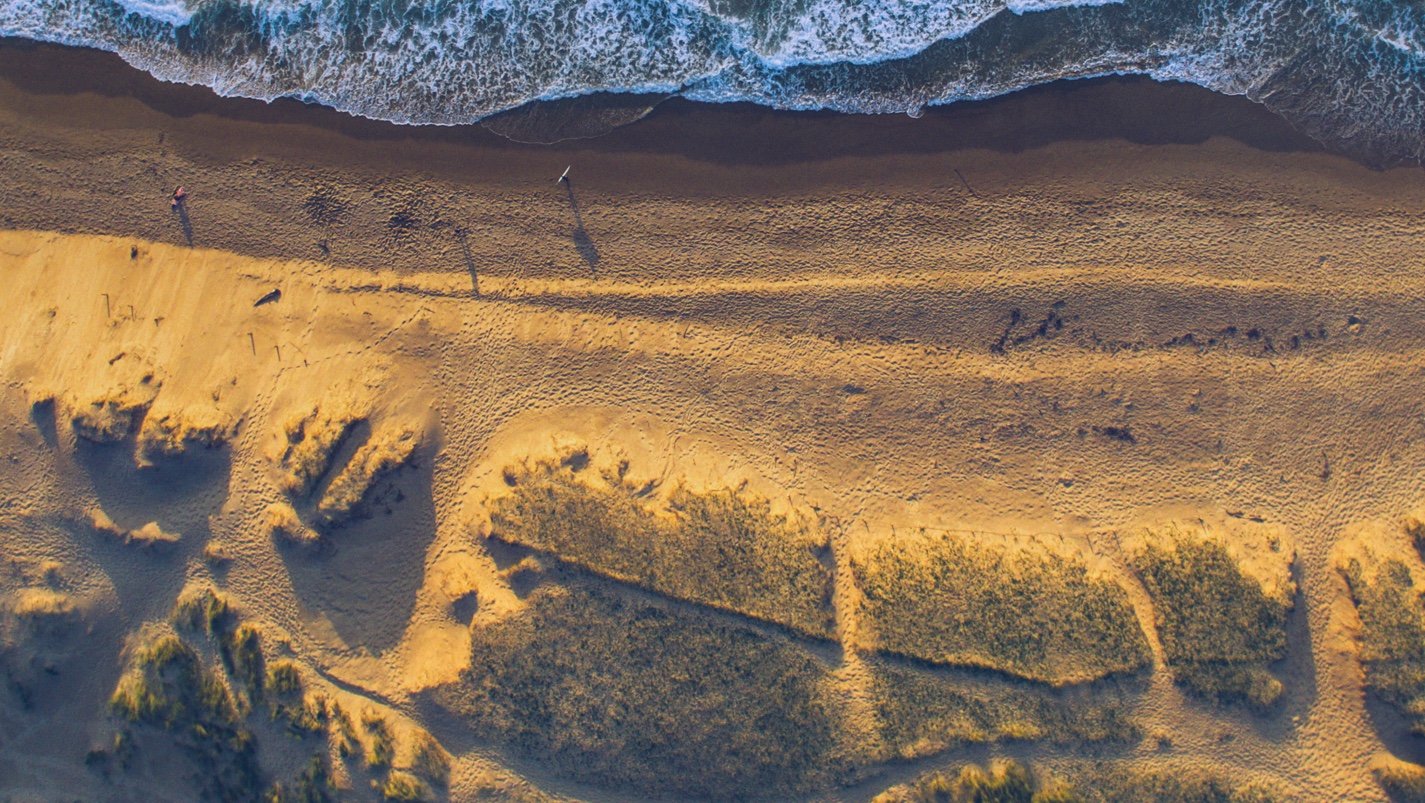
Maspalomas Dunes. For those who have never seen sand dunes, this is a must-visit destination, featuring dunes worthy of the Sahara. My advice is to go there at dusk, when the light is at its best.
Fataga Gorge. It starts just past the Degollada de las Yeguas, and the scenery ranges from a desert landscape to a “valley of a thousand palm trees”. Those who have been to Morocco will feel like they’re still in the Draa Valley.
Artenara. Located in the Tamadaba Nature Reserve, the vegetation here is different from the rest of the island, the prevailing species being the indigenous Canary Island pine.
Puerto de Mogán and Güi-Güi Beach. Puerto de Mogán is near the great dams route, while Güi-Güi beach can be reached on foot and is well worth visiting.
If the weather is still bleak and cold where you live, don’t think twice – get away to Gran Canaria and discover the island on two wheels. Book your ticket at Vueling.
Text by Raúl Casañas
more info