

What is online check-in? All you need to know
Online check-in means checking in on the internet. Have you heard about it? We're sure that from now on you'll always remember to do it before you fly.
more info
Which fare shall I choose for my trip?
Basic fare, Optima fare, Family fare or TimeFlex fare; we have a fare for every type of traveller. Not sure which one is best for you? This guide will help you make the right choice.
more info
Postcard Views of Lake Como
Amid Italy’s abundance of churches and chapels, mansions and museums, and the marble and bronze sculptures accumulating over the centuries, sometimes you need a break. And when you’re in Milan, the best place to go for a breath of fresh mountain air is Lake Como, a 146 km2 Y-shaped body of water overlooked by the snow-capped Rhaetian Alps. Nestling on the verdant hillsides around the lake shore are a number of appealing towns such as the exquisite Bellagio, atop a hill in the crux of the “Y”, and the town of Como itself, the largest in the region. The lake, also known as Lario, is one of the prettiest places in all of Lombardy. The glacial, pre-alpine lake, as much as 400 meters deep, is ringed by mountains up to 2,700 metres tall, where you get magnificent views of the lake below. The area is rich in history and tradition, and is a favourite spot for recreation and relaxation. Splendid 17th C. lakeshore villas, many with lush gardens, abound, as do rural Romanesque churches.
If you have time on the way to the lake or back to Milan, a journey taking about an hour by car, you should explore the green landscapes of the Brianza zone, dotted with villages and castles on the banks of the Adda and Lambro rivers.
A Trip on the Lake
There are numerous options for moving around on the lake. We recommend crossing it by ferry or hydrofoils. The Navigazione Lago di Como company operates services all year round from the dock on the northern extreme of the Piazza Cavour. You can also choose a Venetian-style vaporetto to get around the lake, stopping at the several charming towns on the shore, such as Cernobbio, Tremezzo, Cadenabia, and Menaggio. Visit a café for capuccino and a brioche, or a restaurant for a plate of good fresh pasta for lunch –served at midday in Italy– while drinking in the natural grandeur of the lake and surrounding landscape.
A Stroll through Como
There’s plenty to see in the elegant and prosperous town of Como, with a population of some 90,000. City walls built in the 12th C. still stand around the old quarter. For several centuries the city’s main industry has been the weaving of silk items, and you can buy silk scarves and neckties at discount prices. Blankets of flowers in the spring and summer make the lakeshore town even more picturesque. The tourist office will help you plan a walking or cycling tour of Como, which is sure to include the Duomo, with its magnificent marble front. Inside it you’ll find architectural elements and decoration in Baroque, Romanesque, and Renaissance styles. A few hundred metres south of the city walls, behind the Viale Innocenzo XI, is the beautifully preserved 11th C. Romanesque Basilica di Sant’Abbondio, with 14th C. frescoes depicting scenes from the life of Christ. Another must-see is the 6th C. Basilica di San Fedele, with three naves and three apses, a lovely 16th C. rose window, and frescoes.
A Place to Eat
Much to be recommended is the Ristorante Sociale, next to the city’s theatre. A favourite with locals as well as visitors, its exposed brick walls are adorned with allegorical frescoes you can admire while dining, along with the curious baroque fireplace. A dish you should sample is the excellentrisottowith chicory. The average cost per person is 25-30 euros.
Come to Como! Check out our fares to Milan here!
Text: Isabel y Luis Comunicación
Photos: Italia Agenzia Nazionale del Turismo
more info

Vigo’s Island Paradise
Vigo is the largest and liveliest city in the verdant Galicia region on Spain’s northwestern corner, and the unspoiled Islas Cíesislands that guard the entrance to the Vigo estuary provide the contrasting note of blissful peace and quiet, in a natural setting of fine beaches, dunes, lagoons, thick forests, and hiking trails. The three islands are the crown jewels of the Parque Nacional Marítimo Terrestre das Illas Atlánticas de Galicia, which includes theIslas de Ons archipelago to the north, and their almost pristine state is jealously protected. There are no hotels, only a campsite open in the summer months, and the number of visitors is restricted to 2,200 per day, so it’s wise to take an early morning boat. That will also give you time to relax on the beach and to explore the hilly islands which are criss-crossed by hiking trails –no cars or bicycles are allowed. You’ll see spectacular views, rich vegetation, and large colonies of both resident and migratory seabirds, such as the yellow-footed seagull, the cormorant, and many other species.
Monte do Faro and Monteagudo Islands
The ferries take you to the two northernmost islands, connected by a stone footbridge and by the Playa de Rodas itself, which is really a sandy 1.2 km-long isthmus separating the Vigo estuary from the tidal lagoon between the islands. A third island, San Martiño, can be reached only by private boat, and indeed, dozens of sailboats and a few luxury yachts can be seen lying at anchor near all three islands in the summer. There are nine beaches on the two connected islands, each with its own character, and the most famous after Rodas is that of Figueiras, a popular nudist beach with plenty of shade, on the north island, Monteagudo. Serious nature lovers can easily hike all the trails in a few hours, looking down the steep cliffs on the windward western shore, or admiring the panoramic views in all directions from the lighthouse –faro in Spanish– built in the mid 19th C. at 178 metres above sea level on Monte del Faro, also known as the Isla del Medio or “middle island”.
Playa de Rodas
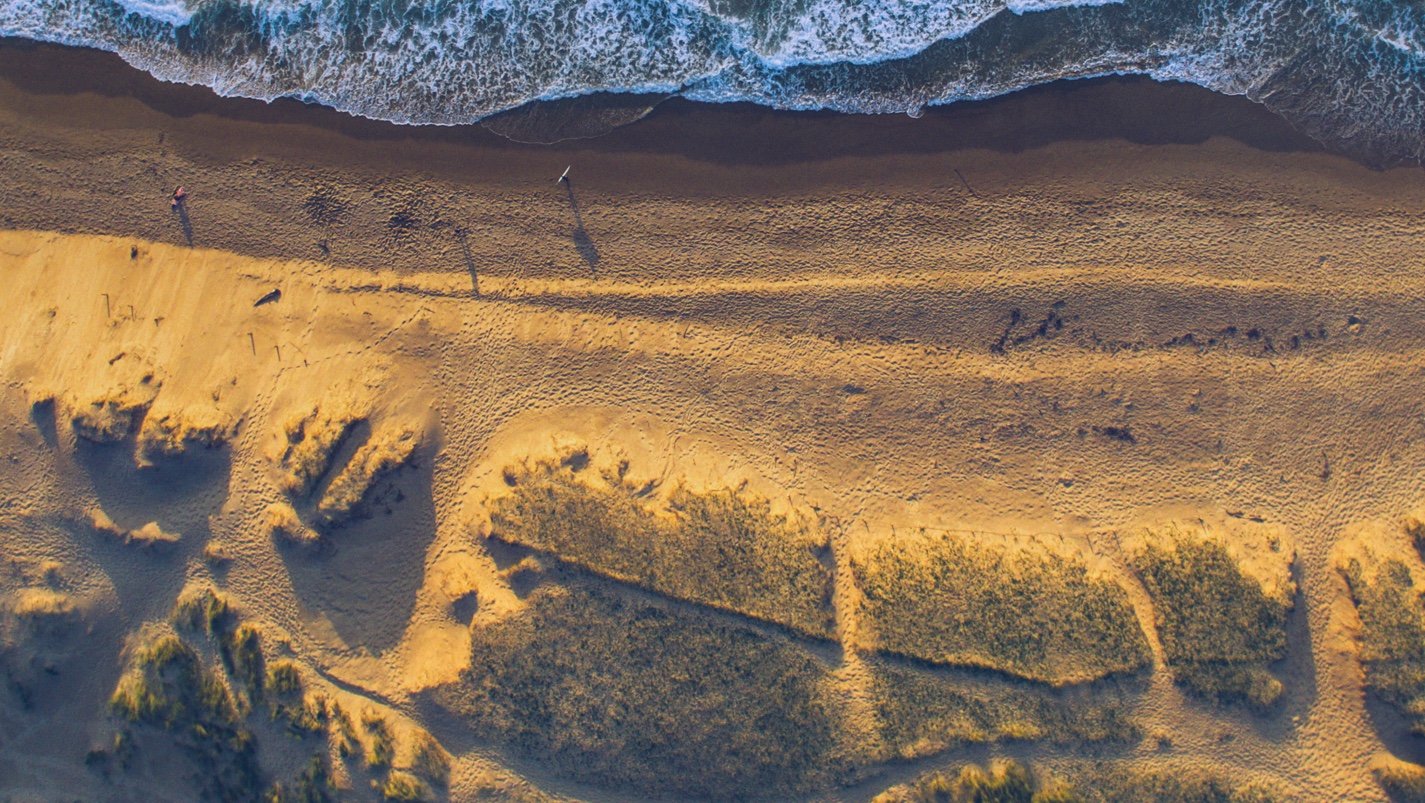
The halfmoon-shaped curve of Rodas beach connecting the two islands on the leeward, eastern shore is a true gem of fine gold sand and shallow crystalline waters –you can walk 200 metres from the shore and keep your hair dry, so it’s very safe for children. The tides regularly flush it clean, also renewing the water in the lagoon behind, which is the abode of a rich variety of fish and shellfish (diving is allowed, but spearfishing is not).
Where to Eat
Asador Soriano
To restore your strength with some local fare you should try the pulpo á Illa –octopus, island-style– tender chunks of boiled octopus with onion, coarse sea salt, and both sweet and spicy paprika. But the large menu also features roasts and other specialities. The restaurant has a choice of rooms in which to enjoy your meal –public, private, with fireplace, etc. – and cellars where you can sample some of Galicia’s exquisite wines
How to Get There
From June through September there are ferries at least every hour from Vigo harbour, or the nearby towns of Baiona, Cangas, and Moaña, from 0630h until 1030h. In the off season you must hire a boat, with or without crew, which is easy to do in Vigo, but you’ll need a permit, and another permit for anchoring off the islands.
Fancy a hop to the islands? Check out our fares here!
Text: Isabel y Luis Comunicación
Photos: Tour Galicia
more info