
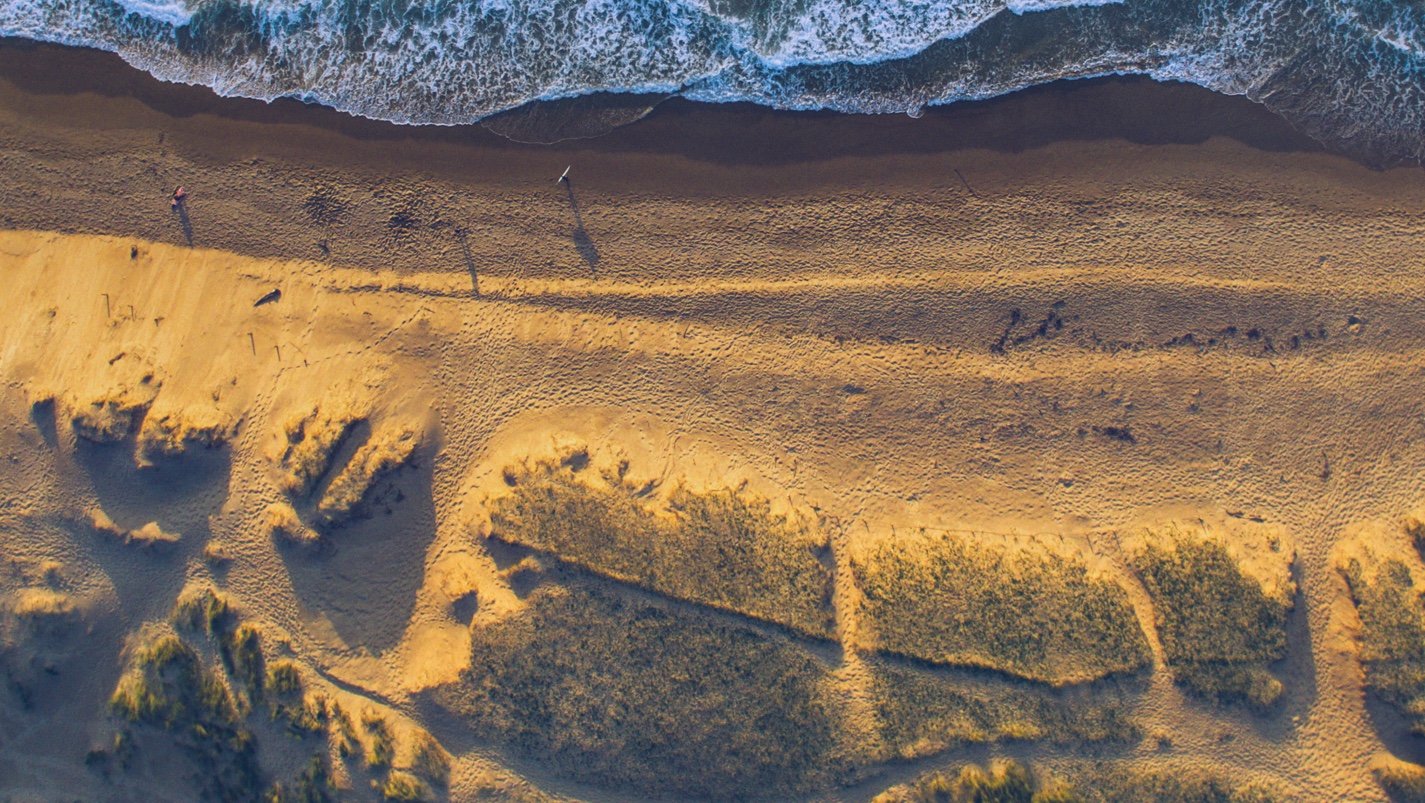

TREAT YOUR LOVED ONE TO THE MOST BEAUTIFUL SKIES (AND STARS!) THIS VALENTINE'S DAY
You could buy flowers or chocolates, but we've got a better idea: this Valentine's Day give something that won't wilt and that isn't bad for you... a super romantic getaway to gaze at the stars from the most incredible places.
more info
Journey To a More Intimate Gran Canaria
One August morning in 2014, Stephen Curry, one of the world’s best basketball players, looked out of the window in the hotel where he was staying in the south of the island, together with the American national team, and wrote a message for posterity on the social networks: “Gran Canaria, God’s creation” was the immortalising phrase he wrote while taking in the scenery. He thus confirmed, decades later, that what the writer and journalist Domingo Doreste had said about his land of birth being a miniature continent was still true. The key to this is the combination of factors which make Gran Canaria a unique destination for nature lovers.
In 2005, almost half the island’s surface area was designated a Biosphere Reserve by UNESCO, a tribute to the incalculable wealth of its species and a state of conservation which has kept human impact on the environment to a bare minimum. Indeed, man’s traces in the protected nature areas open to visitors is hardly perceptible. Each strip of land, whether on the coastline or in the mountains, reveals a genuine flourish of beauty.
One of the must-visit landmarks is Caldera de Tejeda, which affords stunning views of the north-west of the island. It is home to both Roque Nublo and Roque Bentayga, two basalt monoliths regarded as emblematic by the islanders. The summit is presided over by El Pico de las Nieves, at an altitude of 1,949 metres. This great height often puts it above the cloud level, setting up an effect known as the “sea of clouds”.
This spectacular backdrop, swathed in silence, exerts a great pull on visitors seeking direct contact with the living legacy of Macaronesia, the ensemble of five archipelagoes in the North Atlantic, made up of the Canary Islands, the Azores, the Cape Verde Islands, Madeira and the Savage Islands. The flora of Gran Canaria is one of the island’s great draws and has aroused interest among the scientific community for centuries. Over a hundred plant species are indigenous to this island alone, while another five hundred species are endemic to the Archipelago. Laurel forests and towering pines are conducive to immersing oneself in an environment blessed with a privileged climate. If you’re fond of botany, be sure to visit the Jardín Viera y Clavijo – also known as the Jardín Canario (Canary Island Garden) – given over primarily to flowers and plants endemic to the seven Canary Islands.
The indigenous fauna scattered across the island is also interesting. In addition to lizards, perenquenes (Canary wall geckos) and such iconic birds as the blue chaffinch, Gran Canaria is home to almost fifty types of nesting birds. The sea is another of its fortes. The waters surrounding the island feature a broad variety of fish, notably the comber, grouper, island grouper, cow bream and white seabream, among many others. It is also quite common to spot dolphins and whales coasting along at a safe distance.
Gran Canaria’s biodiversity can be seen in all its splendour from the Red de Miradores, a network of viewpoints comprising 31 observation platforms affording the best possible views and where you can take great photos. Further, if you’re an enthusiast of trekking, climbing or cycling, Gran Canaria offers endless opportunities in the form of routes with various difficulty ratings.
Accommodation at stunning sites is provided by a good range of rural hotels and houses spread across the whole island. Small spiritual retreats, where you can dispel all stress, located in gorges and other concealed tracts of land, guaranteed to enhance your experience of Gran Canaria.
Come and live it out for yourself. Check out our flights here.
Photos by Patronato Turismo Gran Canaria
more info

WHAT IS THERE TO DO IN THE LONELY LANDSCAPE OF FUERTEVENTURA?
Fuerteventura is a top surfing destination, with spots like El Cotillo, El Hierro and Playa del Morro. There are also endless solitary roads that lead to unspoilt and anachronistically charming places like Playa del Cofete and Playa Jandía, and amazing desert-like landscapes like Corralejo dunes.
more info
IN SEARCH OF CETACEANS: WHALE WATCHING IN TENERIFE
The most adventurous travellers who dare to explore the seas will be able to see whales, dolphins and other cetaceans calmly swimming around, just off the coast of Tenerife.
more info