

Finisterre
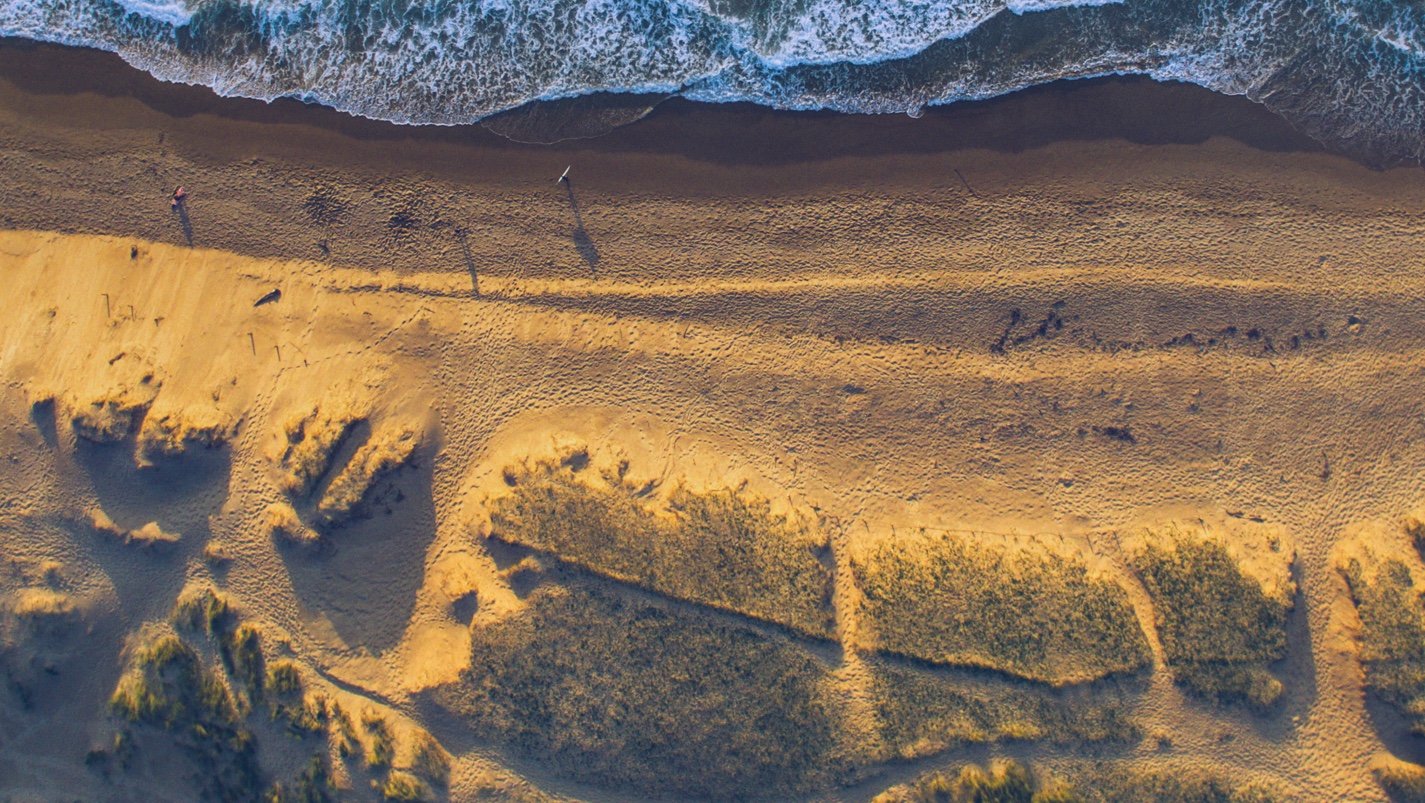
Finisterre means the end of the world and so was considered by different cultures in ancient times, still believed that the earth was flat. This point, where is located the well-known Cape Finisterre , is the most western one to where pilgrims on the Camino de Santiago can arrive. They burned their clothes on the cliff and throwt their ashes into the sea as a symbol of purification.
The drive journey to Costa da Morte is the most suitable way to enjoy the magnificent views of the area . Before arriving at Faro Finisterre is a turnoff to the right that leads to Mount Facho, which houses the chapel of San Guillermo , related to beliefs about fertility. On the outskirts of this city stands the Church of Santa María das Areas , Romanesque style. This parish church houses Cristo dos Barbas Douradas , by which professes great devotion. Between Finisterre and Cabo da Nave it is the wild beach Mar de Fora , and open to the Atlantic Ocean surrounded by sharp cliffs. It is one of the most beautiful beaches of the coast.
A bit more to the south of Finisterre, we find a fishing village in the municipality of Dumbría O Ézaro , which houses a waterfall which has the distinction of being the only one in Europe that flows directly into the sea . It is recommended go and see it in winter as its volume rises as a result of heavy rains that increase its power and beauty.
Can not help but mention the seafood cuisine that is abundant in this Galician coast’s area. Finisterre is the realm of seafood and fish: barnacles, lobsters, scallops, clams, razor clams, cockles, sea bass … are some of the endless list of marine products that may be tested in these lands. Beef product is also of extreme quality, hence the famous Galician beef.
Don’t you feel like going to this land? Some of the best scenery in Galicia make this trip a visual feast!
Imagen de ricardo
By Blanca Frontera
Makes you want to go, right? Do it! Check out our prices here!
more info
Tips to find cheap flights with Vueling
Which are the cheapest days of the week to fly? How do I find cheap flights or even bargains? There isn’t a magical formula, but we do have a few tips that may help you to find the cheapest flights.
more info
A Coruña’s Top Restaurants
Yet another year has passed and Galician cuisine is still on the ascendancy, having earned recognition in the Michelin Guide, one of the most prestigious and demanding in the world. Twelve restaurants in Galicia have earned that distinction, a tribute to their culinary talent. But, we’re going to focus on three of them, which happen to be in A Coruña. We’ll talk about the rest another time. Some overlook the sea; others, the green countryside. Some are inspired by cutting-edge trends; others, by tradition. All of them however, have a unique flavour – a markedly genuine, Galician flavour.
Alborada
(Paseo marítimo Alcalde Francisco Vázquez, 25. 15002 A Coruña)
Chef: Iván Domínguez
This restaurant is located on the seaside promenade skirting A Coruña, halfway between the Tower of Hercules and the Castle of San Antón. It is done out in modern, elegant fashion, with two dining-rooms overlooking the Atlantic, and a third, more secluded, private one. The decor is a blend of fine woods, cork and ironwork, as befits the luminosity of the spacious interior.
The fare on offer at Alborada is based on local Galician produce, particularly fish and seafood, prepared using current techniques. This is haute cuisine, which was awarded a Michelin star in 2010. The menu always features the day’s fish and seafood, accompanied by tasty vegetables in season. Lobster, crayfish, scallop, sea bass, hake, sole… the star is the sea. There are two menus of the day – the “classical” menu, featuring dishes that chart the restaurant’s evolution, and the “tasting menu” spotlighting the chef’s latest, most surprising creations. To round off the experience, Alborada also offers a wine list with over 600 items.
Árbore da Veira
(San Andrés, 109 bajo. 15003 A Coruña)
Chef: Luis Veira
Árbore da Veira is just a few paces from the water’s edge, so ideally you should let yourself be enveloped in the sea breeze. The ambience is warm, relaxing and spacious. There are few tables, light wood finish and furniture inspired by Nordic design. The tables are sans tablecloths and the crockery is stunning, with unique, handmade pieces. This is a happy world. Their chef, Luis Veira, takes you on an alluring culinary adventure. Drawing on the most innovative techniques, the gastronomic experience is designed for the pleasure of the senses. Veira’s motto is to forge ahead, and to integrate new techniques and produce, particularly if it comes from the sea. The result is an array of splendid, signature-cuisine dishes, albeit grounded in the Galician tradition.
A word of advice: here there is no à la carte, but a dynamic offering of two new and attractive menus of the day – “Raíces” (Roots), which includes 8 snacks, 10 main dishes and 8 desserts, and “Árbore”, made up of 8 snacks, 15 main dishes and 8 desserts. Quite a mouthful! In the end, you’re looking at some 30 culinary creations to be consumed in one session. And, the produce is in season, especially from the sea (6 of the dishes are based on seafood) and estuaries of Galicia – oysters, crayfish, scallop, periwinkles and codfish offal. As an alternative, the chef likes to offer the odd meat dish, with Galician beef and porco celta (Celtic pork ham) being his mainstays. The dishes – or “mouthfuls”, as Luis tends to call them – vary in terms of the market and his inspiration. When it comes to the wine list, Árbore adheres to the same approach – around 250 items which include 30 DOs (designation of origin), both Spanish and international, although Galician wines are dominant. The selection, renewed every three months, is impeccable and designed to combine with the chef’s stunning dishes. There are two matches proposed – in the mouth with 8 wines and on the palate with 12.
A Estación
(Estrada da Estación, 51. 15660 Cambre, A Coruña)
Chefs: Beatriz Sotelo and Xoán Crujeiras
This restaurant lies 15 km from the centre of A Coruña and is striking for its siting, as it occupies the canteen and storeroom of an erstwhile train station. We found the refurbished interior captivating, particularly for its lighting. During the day, the dining-room is bright and lively, with glazed fronting on both sides, as in the old train coaches. By night, the salon turns intimate and elegant, with small points of light evocative of the dinner atmosphere on the Orient Express.
The master-chef tandem base their approach on a combination of technique and creativity, passion and delicacy, sea and mountain. They also share a preference for sourcing local produce, but with a view to the future. The dishes at A Estación point to a harmony of culinary experience, knowledge and recollections. The menu features dishes for snacking and sharing, with starters, fish and meat in season, and tastings that may optionally match wines and are renewed each month. Produce here is always in season, traditional, organic, proximity produce sourced from local cooperatives or small producers.
A Coruña offers a host of incentives to captivate you and one of them is their cuisine. Come and taste the creations of their leading chefs. Check out our flights here.
Text by Turismo A Coruña
Images by Alborada, Árbore da Veira
more info

Santiago A Passion For Sweets
Holy Week is a festivity accompanied by a long culinary tradition, among other things. Some of its hallmarks include confectionery and desserts, which adopt a host of guises across the geography of Spain. Not to be outdone, Santiago de Compostela, a city of fine food, has its own versions, as evinced in the gems created by different local religious orders, those inherited from the city’s long chocolatiering tradition and imports from the Americas, which have spread all over Europe via the Road to Santiago.
In an effort to keep this tradition alive and provide enjoyment for locals and visitors alike, the second edition of a gastronomic event catering to the sweet-toothed known as Santiago Paixón Doce will be held from 7 to 17 April. For the duration of this festivity, some 29 venues, notably bars, cafés and restaurants, will be offering a special menu laced with traditional Holy Week fare, among which confectionery features prominently. Highlights include torrijas (a kind of French bread), leche frita (literally, “fried milk”), buñuelos (fritters), rosquillas (a ring-shaped pastry), melindres (buns), roscas (a kind of doughnut), “passion chocolates”, cakes and other confectionery typical at this time of year. Check out the list of venues taking part in this tasty experience here.
Eight Delicacies in the Compostelan Holy Week
For those not familiar with Santiago de Compostela’s Holy Week culinary tradition, we have drawn up a selection of the confectionery you simply must taste on your visit to the city. Take note!
1. Concha de Santiago (St James Shell)
This is a veritable tribute to the city of Santiago de Compostela, as it features its paramount symbol, the pilgrim’s scallop shell or viera worked into a delicious chocolate figure. One of the many establishments where you can taste the concha de Santiago is the Chocolat Factory, located in the Praza do Toural.
2. Tarta de Santiago (St James Cake)
With its origins going back to the 16th century, the tarta de Santiago is unquestionably the most popular cake in Santiago de Compostela. Needless to say, you can find it in all the city’s pastry shops and bakeries, from Las Colonias – with its long-standing tradition – to Á Casa Mora, said to be the artificers of the Cross of St James having been incorporated into the cake.
3. Chocolate a la taza
As mentioned earlier, Santiago is a city with a long-standing tradition of chocolatiers. One of the local favourites is “chocolate a la taza”, which is thick hot chocolate for dunking churros (fritters) in. A classic spot for savouring this wonderful delicacy is the Chocolatería Metate (Rúa do Preguntoiro, 12).
4. Monastic Delights
In bygone times, it fell to the religious orders to introduce foreign traditions to Compostela, including the recipes using almonds and egg yolk, which had a marked influence on local confectionery and ended up spawning both the tarta de Santiago and almendrados (macaroons). There are currently two convents in Santiago which still make their own confectionery. One is the Antealtares Monastery, where the Benedictines make almendrados, tarta de Santiago and cookies, all of which are available on a daily basis, and brazo de gitano, a kind of Swiss roll which is made only to order. The other is Belvís Convent, where the Dominicans make bespoke batches of almendrados, mantecados (a kind of shortbread made with lard)and tarta de Santiago, as well as selling freshly baked cookies.
5. Cheese and Chocolate Cakes
We recommend you drop in on the Airas Nunes Café, which specialises in homemade cakes and tortiñas (milk tarts).
6. Assorted “Pecados” (Sins)
The Cantón del Toural is home to the so-called Pecados de Compostela (Sins of Compostela), a unique type of candy wrapped in seven forms to match the seven deadly sins, one for each day of the week. Be a daredevil and try them!
7. Xacobea
Despite having very similar ingredients to the Easter cake known as the rosca de Pascua,the Xacobea is moister as it contains syrup. Available in numerous pastry shops dotted about the city, notably La Estrella (Suevia).
8. Rosquilla
The rosquilla, also known as a melindre, typically eaten at traditional shrine festivals in Galicia, is also a classic of Holy Week and Easter in Galicia. Sold at a host of venues in Santiago de Compostela.
Text and photos by Turismo de Santiago
more info