
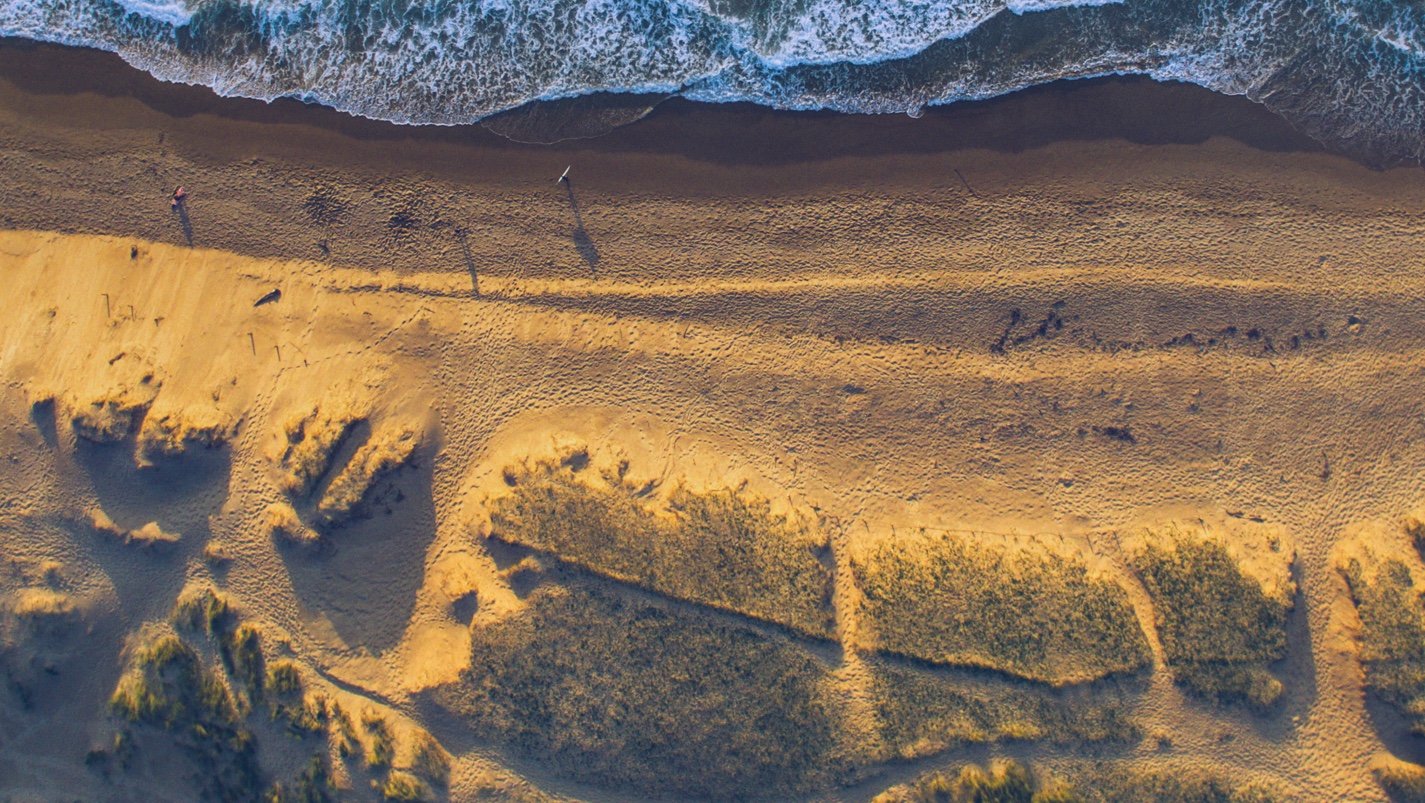

Let's Go to the Beach
What makes Gran Canaria unique is its very diverse ecosystem. The coastline features 60 kilometres of greatly varied beaches. The infinite options offered everywhere on this island are ideal to explore alone or with all the family. Its different types of landscape will seriously make you believe you are on the continent. This Atlantic enclave has a 236-kilometre coastline, kissed by a gentle sun that makes it pleasant even in summer. In today's issue of My Vueling City, we will focus on Gran Canaria's beaches and all you can do there. What are you waiting for to grab your swimsuit?
Our Top Beaches
Here is a list of our beaches of choice. The island boasts more than 120 of them, all quite different from one another – from long, golden, sandy beaches to hidden coves. If you don't find your favourite beach here, you surely haven't searched properly. We also confess that, to a great extent, our preferences coincide with those of the canariones – the locals of Gran Canaria:
1.- Maspalomas
Some beaches are very popular, such as the long sandy tongue of Maspalomas. A massive line of white sand that runs from Playa del Inglés to the foot of the great Maspalomas lighthouse, after skirting a desert of sand dunes that covers the southern coast of the island.
2.- San Agustín
In the south, a calm and relaxing beach with a family environment.
3.-Amadores
Ideal to come with all the family. Also located in the south, the great weather can be enjoyed almost all year around.
4.- Puerto de Mogán
Small and ideal to switch off from your daily routine. This beach is very suitable for children.
5.- Las Canteras
It is well known as one of the best urban beaches of Spain.
6.- Puerto Rico
If you prefer, you can just go with the flow and join the bustle of this traditional touristy spot, which boasts one of the best climates in the whole country.
I'll Be Waiting for You in the Water
Gran Canaria boasts the ideal sea and wind conditions for doing water sports such assailing,windsurfing,surfing, and deep-sea fishing. This has also attracted enthusiasts to the increasingly popular practice of bodyboarding – with a sail or without – in addition to kitesurfing – an enjoyable water sport that uses a kite to pull the surfer over the waves. Gran Canaria's unique location makes it ideal to pursue these activities: thanks to the trade winds, most waves are either medium-sized – and suitable for beginners – or considerably large – ideal for more experienced surfers.
If you're more into exploring the seabed, we suggest you dive down into these crystalline waters. Several diving spots can be found along the island's coastline, such as Pecios de Mogán, the artificial Reef of Arguineguín, Taliarte and Las Merinas. Prefer to do your own thing? You can always go snorkelling. We suggest you rent a car and explore the coast. We can still tell you a secret though – Risco Verde, Caleta Baja and Sardina are ideal places to start off with. Here you'll find all the information you need on diving schools and clubs.
With Children
Gran Canaria indeed offers a myriad of options for those planning to spend their holiday with all the family, in addition to a great choice of kid-friendly activities. This of course includes spending time on the beach. We definitely recommend the vast extension of dunes in Maspalomas and the coves in the coastal area of Mogán. The latter is fail-proof: is there anything better than the sea to bathe and frolic in the waves, or the endless beach to make sand castles and play with toy cars? Well, surprisingly, there is. You can enjoy a ride on camelback, or spend the day at Sioux City, a theme park devoted to the Wild West. Who hasn't played Red Indians against cowboys as a kid? Alternatively, for the more adventurous, you can go on a submarine or watch the dolphins in the south of the island, or even travel to the amazing world of Palmitos Park, where the sight of astonishing animal species can be enjoyed in a tropical environment. Marabou storks, silver-cheeked hornbills, emus, wallabies and Komodo dragons are waiting eagerly to welcome you.
Another sure win is a tour of the whole island to experience its scenic variety first-hand. The tourist bus in the capital travels to some of the island's most emblematic locations, like Vegueta, the historic centre of Las Palmas de Gran Canaria. You can visit this more than 500-year-old district to recharge your batteries in one of its many tapas bars. Oh, and don't forget to visit Cristopher Columbus' house, where he stayed for a last stop before embarking on his legendary voyage to The Americas.
An Appointment Not to be Missed
With all this beach talk, you shouldn't forget your swimming costumes. Do not miss out on Gran Canaria Swimwear Fashion Week 2015, an event where more than 40 brands show off their designs in three intense fashion days. This catwalk has become a showcase of swimwear fashion for firms from all over the archipelago, also sharing their stage with national and international first-class brands. This event takes place in Meloneras (Plaza de las Convenciones), in the municipality of San Bartolomé de Tirajana from 18 to 20 June.
Come and enjoy the beach in Gran Canaria! Check out our flights here.
Text and images by Turismo de Gran Canaria
more info
Your Best Getaway Ever In 4 Days
Now that the end of the year draws near, you are bound to have a few spare days. Here’s a great recommendation for spending a delightful long weekend in Gran Canaria. As you will see, it is time enough to get a good taste of one of the pearls of the Atlantic. Why wait to discover it? Four days on the island will yield any number of plans to take a well-earned break from your routine. Here, then, is a compendium of practical tips for making the most of your stay on the island.
Thursday
As soon as you leave the airport, your best bet is to head south and have your first weekend splash in the ocean. Maspalomas and Playa del Inglés await you with their large tracts of pale yellow sand where you can sunbathe safely all year around. If you’re looking to switch off real quick, take an adventurous stroll in the heart of the sand dunes or play golf on one of the quiet courses in the area.
Be sure to visit charming Puerto de Mogán, the ideal spot for promenading and savouring fresh fish in any of the restaurants at the seaside.
Friday
Begin the day by taking a route across the north of the island. And where better than to aim for the town of Arucas, where homes are harmoniously interspersed with banana plantations? Its most striking landmark is the Neogothic Church of San Juan Bautista, built with stone quarried in the municipality itself. Another highlight of your itinerary is the Arehucas rum factory, where the celebrated beverage is made in the oldest and largest rum distillery in Europe.
On the way to the north-western triangle of Gran Canaria, make a point of visiting the Gáldar Painted Cave, a museum and archaeological park based on a large native deposit. If you then press on towards the picturesque village of Agaete, you will marvel at the rugged rock formations adorning the coastline. Enjoy a sunset there and take time to upload to your social networks some stunning panoramas. Your main subject is likely to be the striking dragon’s tail plotted by the cliff faces which the ocean has eroded over millions of years.
Saturday
Time to discover Las Palmas de Gran Canaria, a modern, cosmopolitan capital city. Have a walk through Vegueta, the historic old town and stop over at the Christopher Columbus House Museum which boasts a valuable cultural legacy encapsulating the relationship which the island has maintained with the Americas for five centuries. The Calle Mayor de Triana has all you need for a busy shopping day, as it is lined with shops stocking both local brands and international labels.
The Pérez Galdós House Museum, where the universally acclaimed Canary Island writer was born, is another point of interest before heading to Las Canteras, one of the finest urban beaches in Spain. Open-air concerts are held there as part of the “Ruta Playa Viva” (Living Beach Route), one of the most attractive leisure proposals in the city.
Sunday
The rich natural heritage of Gran Canaria reaches its climax in the island’s interior. On Sunday you can drop in on the street markets to taste the best of local cuisine and choose a souvenir from among their regional craftwork. Devotion in Teror involves pampering the “Virgen del Pino” (Virgin of the Pine), the patron saint of the Canary Island diocese. This is where you start a climb up to Tejeda and Artenara.
A phenomenon known as the “sea of clouds” spreads out at your feet, in a breathtaking landscape which Miguel de Unamuno described as a “petrified storm”. Look out over the Roque Nublo and Roque Bentayga outcrops; then close your eyes and engrave that stunning picture in your mind’s eye forever. Why wait to experience it for yourself? Check out our flights here.
Images by the Patronato Turismo Gran Canaria
more info
The Five Best Beaches surf Canarias
Good beaches abound throughout the Canary Islands, but Gran Canaria boasts some of the best. The steady winds and the contours of the sea bottom give rise to every sort of wave –tubes, long, giant, deep, and beach breakers.
The geography of the islands ensures land breezes, also known as offshore winds, which make the perfect waves for surfers and windsurfers, partly because the raise wave walls persist longer and often form tubes. Surfers from the worlds around come to the Canaries to experience them and to take part in competitions. For experts the best windsurfing beaches on Gran Canaria are Pozo Izquierdo and Vargas, but others are good, too, such as Ojos de Garza, Tarajalillo, Bahía Feliz, Playa del Águila, San Agustín, Playa del Inglés, Anfi del Mar, and Puerto Rico.
The Magnificent Five
El Confital (Las Palmas de Gran Canaria)
This marvellous beach, a natural extension of that of Las Canteras, is on the south-western shore of the peninsula of La Isleta on the north side of the island. Bathing takes place along a two-kilometre stretch, which is also the chief surfing zone, famed for the wave known as "Las Monjas" (“the nuns”), and reaches Gáldar and its legendary wave called "El Frontón" (“the wall”). The shore is rocky but it offers a brisk frequency of waves, including the biggest breakers, which can reach a height of five metres.
It is here on the northern coast that we find the mightiest waves for the best conventional surfboarding and also body boarding (with a smaller foam board. In fact the world’s body boarding championships are held in Gáldar. The surfing is simply spectacular on these waves. The powerful “El Frontón” is definitely not for beginners, since it breaks in two different directions, creating two new waves which eventually collide in an explosion of waters which facilitates fancy jumps and acrobatics by surfers. Cosmopolitan surfers compare Gáldar to Indonesian beaches.
Pozo Izquierdo
On the eastern side of the island, this beach is perfect for surfers when the waves are coming from the east and the winds are calm. The best spots are "Mosca Point" (“fly point”) and to the right of "El Muellito" (“the little pier”). When conditions are propitious, windsurfers flock to these waters, which are famous the world over. Constant and strong winds fill the largest sails and send the boards skipping across the waves, which are always at least a metre high and can rise to three metres.
Playa del Inglés in San Bartolomé de Tirajana
On Gran Canaria’s south-western shore the most celebrated beach is the playa del Inglés, some three kilometres long, with fine white sands and usually calm waters. These conditions, plus a water temperature in the range of 18o - 22o C, makes it ideal for all water sports, including surfing, body boarding, and kite surfing.
Adjacent to the Playa del Inglés is Maspalomas, in the town of San Bartolomé de Tirajana. This is where beachgoers concentrate, and surfers tend to gather on the curve linking Maspalomas and Playa del Inglés. The two beaches are used indiscriminately by surfers, swimmers, and tanners, some in costumes and others au naturel. The Faro de Maspalomas lighthouse provides some punctuation to the view of sea, sky, and sand dunes. This extraordinary lighthouse, built in 1871, is 55 metres tall. A 24/7 webcam allows surfers to check out wind and water conditions from anywhere in the world.
Need to catch a wave? Check out our flights today!
Text: Isabel y Luis Comunicación
Photos: Promotur Turismo Canarias, Patronato de Turismo de Gran Canaria
more info

A Walk Through the Clouds
The island of Gran Canaria offers all the rural leisure amenities you can imagine and more, including adventure sports and trekking.
From Sea to Sky
One breathtaking route stretches from the Gran Canaria coast to the top of the island’s highest peak, a secluded spot which is the closest you’ll ever get to a lunar landscape. In the municipality of Tejeda, some 44 km from Las Palmas de Gran Canaria, you can easily find yourself trapped by a sea of clouds. Tejeda can be reached mainly by the Centro GC 15 main road, a somewhat winding route flanked by stunningly beautiful scenery which takes you through the towns of Santa Brígida and Vega de San Mateo. The most exciting part of the journey starts here, as you begin to climb so steeply that the clouds recede below you. The 44-km drive takes about an hour. It can also be reached by public transport from the Guaguas station in Las Palmas de Gran Canaria.
El Roque Bentayga and the Archaeology Park
Tejeda is a must-see if you come to Gran Canaria and more so if you’re interested in archaeology. Here you can find vestiges of burial caves, rock carvings, paintings and dwellings. The Roque Bentayga provides an excellent sampling of all this. This unique, natural rock precinct was sacred to the original inhabitants, as it was here that they prayed to their gods. The Parque Arqueológico del Bentayga is an ecomuseum built next to the Roque. It also serves as a venue for performances, both for the archaeological rock complex (Bentayga, Andén de Tabacalete, Cuevas del Rey and the Roquete) and its surroundings. It also affords wonderful views of the southern and western reaches of the island.
Culture and Mysticism
The symbol of Gran Canaria is also to be found at Tejeda. This is the Roque Nublo, a huge basalt rock in the form of a monolith stretching 70 metres into the air. On its north-eastern side stands another monolithic rock known as El Fraile (the Friar), as it physically resembles a monk. While you’re here, take the chance to roam through the Inagua and Ojeda pine forests and, further north, that of los Pechos, for here you are bound to fall in love with the views.
Art and culture also make their presence felt in Tejeda. Here you can visit the Abraham Cárdenes Sculpture Museum, dedicated to this Canary Island sculptor, who hailed from here, and also the Ethnographic Museum, where you go on a journey of the town’s and the island’s history. Here, too, the Degollada de Becerra is another spot well worth visiting. It is situated on the main road between La Cruz de Tejeda and los Llanos de la Pez, and features a viewpoint affording spectacular scenery and, more importantly, a centre where you can learn about local ethnography. Lastly, the town boasts a Centro de Plantas Medicinales, where you are invited to discover the varieties of plants, herbs and flowers indigenous to Tejeda and the island and their varied use in medicine, religion and cosmetics.
Gastronomy
Establishments in Tejeda centre offer all types of craftwork and you can also find the typical sweets made here. You are also advised to stop at one of the bar terraces and restaurants located on the side of the Parador Nacional, a magnificent vantage point providing spectacular views of the whole island.
Almonds play a major role in the cuisine of Tejeda, a town which has become one of the landmarks of Canary Island confectionery, noteworthy among which are the bienmesabes and marzipans. Both sweets are made using ground almond, the former also being one of the traditional accompaniments of local iced desserts. In Tejeda you can also sample any of the Canary Islands’ traditional dishes, the mainstay of which are beef and goat’s meat. Make sure to try such dishes as the caldos de papas (potato soup) and the potajes de berros y jaramagos (watercress and hedge mustard stews). If you’d like to sample good local cooking, a restaurant you should not miss is the Cueva de la Tea, where you can order a potaje de berros and their speciality, ropa vieja– chick peas, potato, hog’s head, chicken, tomatoes, peppers and onion. The average price per head is 12 euros and the helpings are generous. It also has the advantage of affording spectacular views.
What’s holding you back? Check out our flights here.
Text by ISABELYLUIS Comunicación
Images byPatronato de Turismo de Gran Canaria
more info