

At White City
It is called White City because it houses a unique collection of Bauhaus style buildings, more than anywhere else in the world, including any German city, the birthplace of the Bauhaus movement.
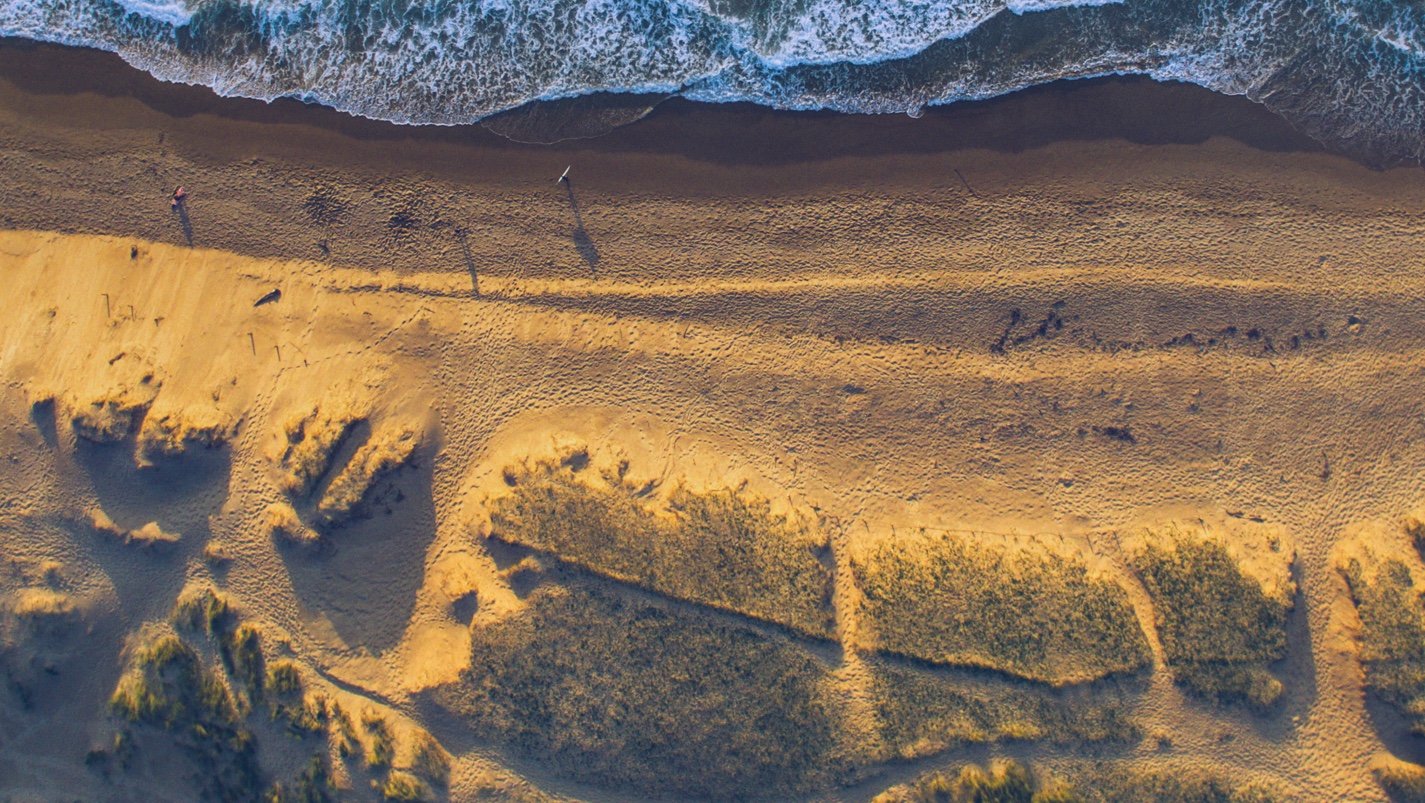
Facing huge skyscrapers, we find the beaches in the city of Tel Aviv. Miles of white sand, by the mild climate of the city, let us take a bath and practice water sports nearly every day of the year. Tel Aviv does not stop at night: neighborhoods like Rothschild houses the best nightlife options in the city. Tel Aviv is a lively, active city with entertainment, culture and art, festivals and a rich nightlife.
Tel Aviv is history. You should visit such emblematic places as Bialik House, Ben Gurion and Dizengoff, the old cemetery on Trumpeldor Street, and Reuven’s house. Nature lovers will enjoy the garden of Abu Kabir, HaYarkon Park and Botanical Gardens near Tel Aviv University. Families with children can enjoy an amusement park full of action.
If you like learning about other cultures, a must-visit is the Museum of Tel Aviv, which explains the history of the founding of the Jewish people and the city’s development.
Step into the bustling outdoor market in Carmel, close to the bohemian neighborhood of Neve Tzedek, where you can find clothes, toys and accessories for the house as well as the colorful stalls of the market full of fruit, vegetable, fresh meat, fish and cheese . The market begins at the junction from deAllenby King George and gets to the end of Carmelit, where you will find bus terminal.
A few kilometers from Tel Aviv, at Jerusalem, you will discover a city that contains inside the most visited places in Israel, such as the Western Wall, the Church of the Holy Sepulcher, the Via Dolorosa, Yad Vashem and Mount of Olives.
And if you want to eat a good kebab, you can try one of the best very near from Tel Aviv. It is served in Abu Ghosh , and they say it is one of the top 5 kebab restaurants in Middle Eastern, specifically located in the third position. The fact is that the Arab village of Abu Ghosh, on the road between Jerusalem and Tel Aviv, is known for its hummus restaurants and is very popular with both locals and tourists. Here you have the guarantee that they will serve a memorable meat dish . They mix the beef with onion, parsley, pine nuts and some grease before threading the needle on an iron skewer. It is cooked on a grill and served with rice and salad, with a pinkish hue inside.
Imagen de wili_hybrid
Why not take a trip to Tel Aviv? Have a look at our flights here!
more info

Fuerteventura – Seaside and Zen
They happen to be the best beaches for doing all sorts of watersports, especially windsurfing. Apart from the island’s fine seaboard, it also has other spots worth discovering, notably the Lobos islet, its age-old towns and its coastal villages, where you can taste fresh seafood.
150 Kilometres of Beaches To Choose From
Fuerteventura is sand and sea in their pristine state. Huge beaches and small, solitary coves, some completely wild and virgin; others, sheltered and safe for all the family… a vast array to choose from. The Jandía peninsula features the endless Playas de Sotavento, with some of the most popular and celebrated seaside resorts: Morro Jable and El Matorral, Playa Esmeralda and Playa Barca. On the leeward side we find the stunning beach of Cofete – kilometres of solitary sand lashed by the powerful Atlantic. The north side is surprising for its Grandes Playas, and the immense Corralejos and dune system. The area also features family beaches such as El Cotillo and La Concha with their calm waters, thanks to the nearby horseshoe-shaped natural reef. Stretching out under the sun on any of those beaches, and bathing in the crystal-clear turquoise waters, is capable of giving anyone a new lease on life.
Raw Nature Under Clear Skies
Fuerteventura is the second largest of the Canary Islands. Its stark landscape, which conveys a relaxing, soothing feeling, is the best antidote to the stress of hectic, everyday life. Listed as a Biosphere Reserve, the island is divided into thirteen protected natural spaces, from Malpaíses to the vast area of sand dunes which support endemic species. The volcanic landscape has been modelled by the passage of time into a land of gentle relief, albeit dotted with such unique elements as volcanic cones and blades. The famous Mirador de Morro Velosa vantage point, designed by the brilliant Canary Island artist, César Manrique, affords spectacular views over the landscape of Fuerteventura. The depths of the Cueva del Llano take you into the bowels of the earth, providing insights into the formation of this vast volcanic tube and the island itself. Additionally, if you cast your gaze skywards, you will appreciate why Fuerteventura was also listed as a Starlight Reserve.
Why wait to discover it for yourself? Check out our flights here.
Text: Turismo de Canarias
Images: Promotor Turismo Canarias, S.A.
more info
The charm of fishing villages
Even the towns at the interior of Mallorca, like Valldemossa, Fonalutx or Biniaraix, are under the shelter of Tramuntana mountain range, are those which kept better the interesting traditions and costumes, by the shore there are little places that survived the urban growth.
Therefore, idyllic images of Mediterranean fishing villages have gradually disappeared as tourists arrived massively. However, there are still charming spots in Mallorca bays, keeping the essence. Visiting them is necessary in order to understand the cultural heritage of the island.
Es Jonquet
Next to Santa Catalina quarter, in Palma, and enclosed by Sant Matgí street, the border between both areas, there is Es Jonguet, one of the oldest neighborhoods in the city, which has conserved all the charm of a fishing quarter. This is a humble neighbourhood, with low-lying houses and irregular streets, rising proud under the mills (old flour mills) that welcome travellers arriving from the sea.
S'Estaca
Do not confuse this old fishing village, near Valldemossa, with the huge mansion that actor Michael Douglas owns in this area and is named the same. The village has about twenty old fishermen shelters where it seems that time has stopped. A magic place between Sa Foradada and Port de Valldemossa.
Porto Petro
Porto Petro is at the town of Santanyí, southeast of Mallorca. Even it’s not a fishermen port as it used to be, it has respected, surprisingly, all its original essence. There are not huge residential areas; only little stores and familiar houses. This is a place for people who want to relax in the nature, with many coves nearby. Closely, however, there are the real tourist areas, like the cove of Mondragó or Cala d'Or, which have a lively activity on summer nights.
Port des Canonge
Passing by Banyalbufar, southwest of Tramutana, the mountain range gets to the sea at Port des Canonge. To get here you have to follow a windy road to discover, at the end, the old houses that fishermen used as shelter and now are a little residential area, with the beauty intact. The quay and a nice beach made of gravel and boulders, make this spot a very quiet place.
Closely, you will find little coves or walk through pine forests following "Volta des General", a nice route that goes from Banyalbufar to Port de Canonge.
Porto Petro by Magnus Manske | Es Joquen by Chixoy | Port des Canonge by mallorcaesasitambien
Makes you want to go, right? Do it! Check out our prices here!
more info
A Holiday at Sea – Sighting Killer Whales off Tarifa
From mid-July to mid-September, around 50 killer whales grouped into five families can be sighted in the Strait of Gibraltar off Tarifa. And, if you’re a lover of these giant mammals, what an adventure you can have watching whales, dolphins and killer whales in their natural environment, toying with vessels and swimming to-and-fro through this sheet of water that joins the Mediterranean to the Atlantic Ocean.
CIRCE (Conservation, Information and Research on Cetaceans) estimates that the striped, bottlenose, and common dolphin, and the short-finned pilot whale have their habitat in this Strait separating Europe and Africa. However, in mid-spring there are also sporadic sightings of sperm whales and such stunning mammals as the finback whale, measuring 20 metres long and weighing over 80 tons – one of the largest animals on the planet.
Killer whales are more on show in summer as they chase the tuna fish that head across the Strait of Gibraltar to the Atlantic at that time of year.
Tarifa is the Spot
But, the fun doesn’t stop there. Tarifa has a lot more to offer as it is one of Europe’s most attractive and cosmopolitan towns. It is a meeting point for young people from all over the world, drawn by the spectacular beaches and by the windsurfing and kitesurfing. If to that you add the entertainment provided by nature itself, the fun is guaranteed!
For those of you who prefer to be onterra firma,you can go for other activities you are sure to relish. In Tarifa, you can visit the beaches of Valdevaqueros and Bolonia, with their massive dunes which on clear days afford views of North Africa. Another essential enclave is Baelo Claudia, one of the major archaeological sites on the Peninsula. It is ideal for gauging what a typical Roman settlement would have been like, with its amphitheatre, roads, fish factories and walls. This was an important Roman settlement as it was here that the famous garum sauce was made and exported to Rome. The fish sauce was made of fermented entrails and regarded by Romans as an aphrodisiac.
Another of Tarifa’s emblematic monuments is the Castle of Guzmán El Bueno whose claim to fame is provided by the chilling tale of his preferring to hand over his son to the invaders than surrender the stronghold of Tarifa.
Make sure you don’t leave Tarifa without first trying their fresh fish, either in the bars or the beach stalls known as chiringuitos,or without tasting the delicious pastries with their long, Arab tradition in the town centre’s pastry shops.
Here you will be treated to a host of options, each with their own charm. So, take up your backpack, Vueling and fly to Jerez to enjoy one of southern Europe’s most powerful natural spots.
Text by Amparo Ortega and María del Águila Heras (Patronato Turismo de Cádiz)
Images by Patronato Turismo de Cádiz
more info