
Ten things to do in Malta when the good weather arrives
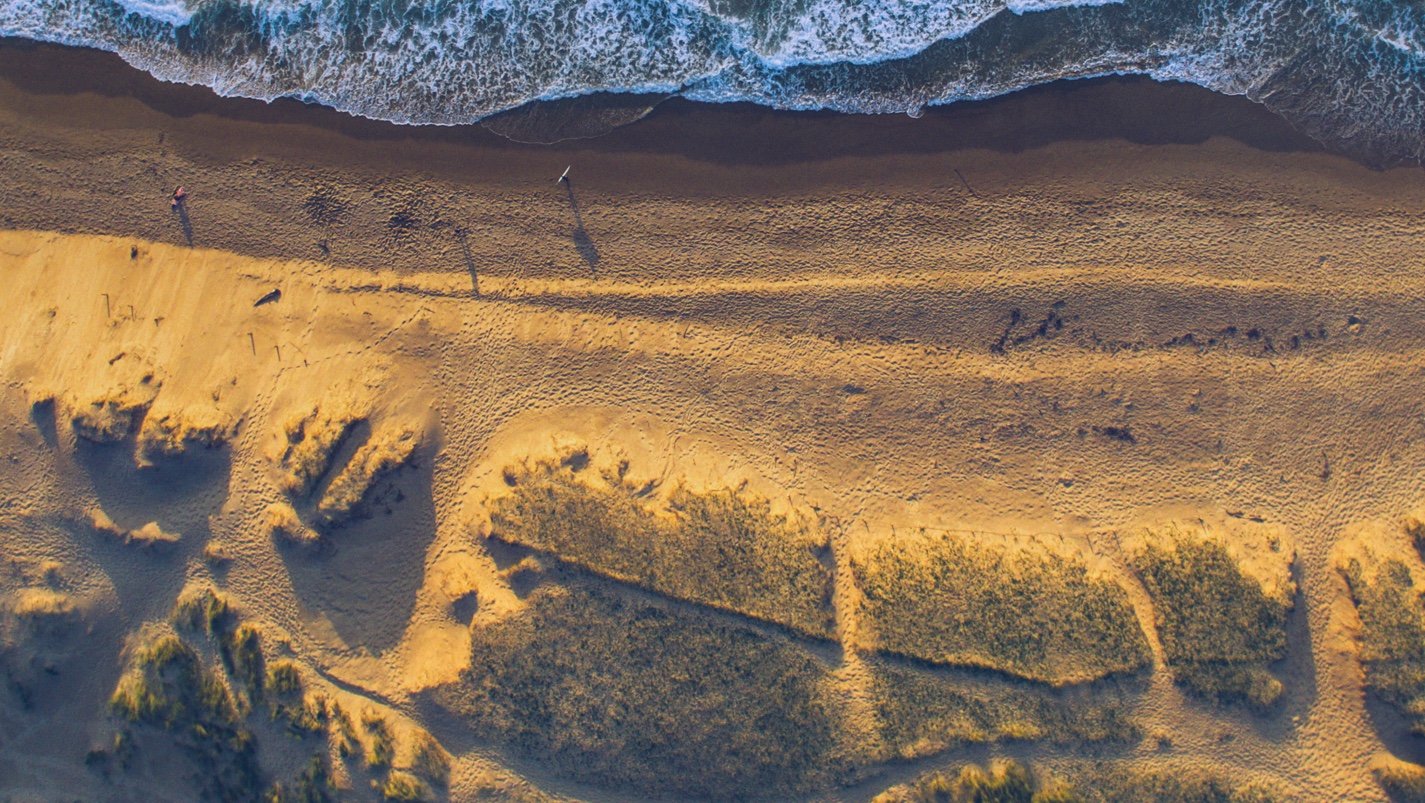
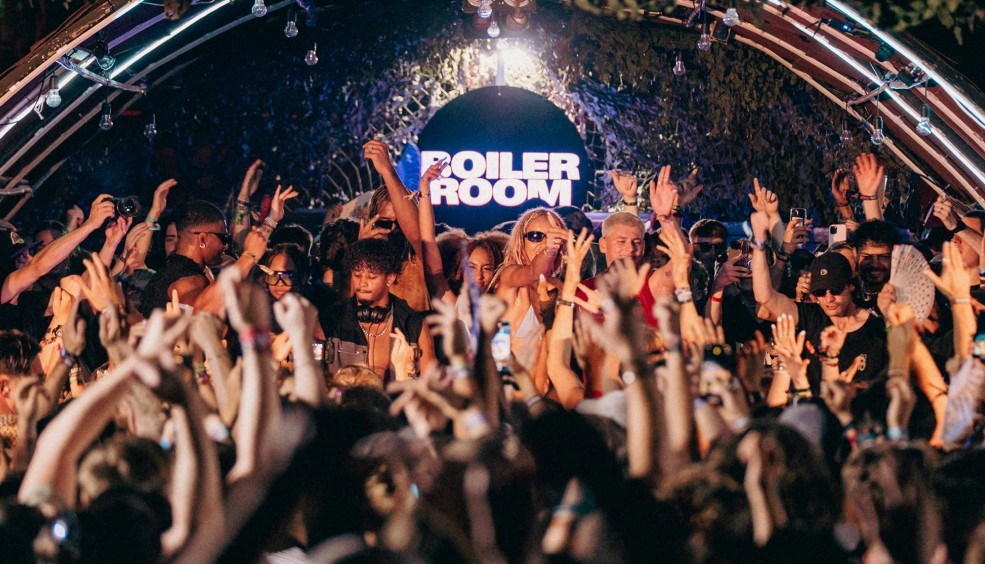
Music, art, fireworks, ice-cold beers and endless nights on the beach. When the good weather arrives, Malta comes alive!
more info
The secret of the small Bratwurst of Nuremberg
In 2003, the Nuremberg “Rostbratwurst” was the first sausage to be accepted on the EU PGI registry, which recognizes traditional, locally-produced specialties in the European Union. The protected geographical indication for Nuremberg Bratwurst says that every Nuremberg sausage must be made within the city limits of Nuremberg according to an official traditional recipe. In addition to the official seal of the EU, they also bear their own “Original” seal.
These culinary delights are eaten in groups of six, eight, ten or twelve with mustard or – more traditionally – horseradish, which is called “Kren” in the local dialect. Typical side dishes are sauerkraut, potato salad or a farmer’s rye bread. In addition to the grilled version, you’ll also find sausages prepared as "Saure Zipfel". In this recipe, the brats are slowly cooked in a broth flavored with vinegar, onions, wine and spices. The sausages sometimes take on a light bluish-grey color, which led to the name "blue tails". A real treat for the people of Nuremberg – and therefore available all over the Old Town – are “3 im Weggla“. Three of the small sausages are laid in a sliced-open hard roll (“Weggla“) and topped with mustard – voilà: You have a hearty snack in your hand. Don’t miss it!
Why is a Nuremberg Bratwurst so small?
Everyone knows that although the Nuremberg Bratwurst is smaller than others, they offer a mighty big taste. But why are they so small? We wanted to investigate this question. There are many theories and stories that attempt to explain the size of Nuremberg sausages. Here’s a sample:
In the Middle Ages, the pubs (and the gates in the city wall) were required to close early. The legend says that Nuremberg innkeepers found the sausages practical, because they were small enough to fit through a keyhole … so they could even feed guests who were locked out at night.
Another story says that prisoners in the Nuremberg Dungeon were fed Nuremberg sausages by their warden. They drilled an extra hole in the prison wall and pushed the sausages to the criminals through this narrow slit. A legend which combines both theories is the story of the Nuremberg patrician Hans Stromer. He was given a life sentence because he refused to pay his debts. Before they locked him up, they granted him one last wish: He asked to receive two Nuremberg brats each day. They were passed to him through the keyhole. During his 38 years in jail, Stromer managed to enjoy 28,000 sausages!
While we don’t expect you to eat as many as Stromer (though you may want to!), we know you won’t want to miss this special treat when you visit Nuremberg. Check out our flights here!
Text and Image by Congress - und Tourismus-Zentrale Nürnberg
more info
And Art Came To The Metro
Travelling in big cities has the major drawback of having to cover large distances from one point to another. In such cases the metro is usually our best solution, saving us long journeys by bus, endless walks or uncertain (and expensive) taxi rides. This form of public transport, which funnels us through the bowels of the large urban connurbations – with the odd, welcome foray to the surface above ground – is very useful for spanning long distances. However, that descent into the depths can be rather claustrophobic and even an ordeal for some. And, considering the fact that we are sometimes hard put to find our bearings in the city, and that metro signs are not always as intuitive as we would like, the experience can end up being quite exhausting and stressful. Who hasn’t got off at the wrong stop at least once on the London Underground, for instance!
Stockholm, like many other European capitals, boasts a magnificent underground network for moving about the city. So far, so good. However, unlike other countries, Sweden’s capital has elected to create a more pleasant, inspiring experience by decorating many of the metro stations with artworks. Around 90 of the total of 110 stations making up the network enable commuters to enjoy the work of over 150 artists who were specifically commissioned to take part in this project. Paintings, ceramics, bas-reliefs and sculptures adorn the premises, turning the ordinarily humdrum act of taking the metro into a more agreeable and interesting experience.
Construction of the Stockholm metro network began in 1950. Right from the outset, its public function was taken into consideration, as was the idea of embellishing it with artworks. The first stations to be built were those on the green line, dating from the nineteen fifties, notably the T-Centralen, a junction now crossed by the three main metro lines. The good practice of incorporating art into station design has endured until the present. Among the most impressive examples we encountered on our trip were those to be had at Solna Centrum and Rådhuset, of which the latter resembles the very gateway to Hell.
The Stockholm metro has generated so much buzz that it has become a major meeting point for tourists. And, just like any other city museum, it is the object of guided tours in summer (from June to September) which is when the largest number of visitors come to Stockholm. You are advised to head for the tourist office at the T-Centralen station, which is where you can book tours and where they start from – the guided tours are in English only.
Book your Vueling to Stockholm and discover the artworks which adorn the metro stations of that beautiful city for yourself.
Text by Los Viajes de ISABELYLUIS
Images by Steph McGlenchy, Vargklo, Daniel Mott, Jakub Kadlec
more info

París mon amour, ma ruine
Raquel Micola was taught to sew when she was a young girl by her grandmother Fina, a dressmaker who specialised in repairing bullfighters’ costumes when they had been ripped by the bulls’ horns. It was from her grandmother that Micola inherited the penchant for perfection and learned the value of craftsmanship and the importance of paying attention to detail. She is now the designer of the fashion label Mimótica Micola (Provença 174, Barcelona) and here she takes us on a journey through Paris and introduces us to some of her most beloved parts of the city.
If there’s one city in the world that I never get tired of visiting it’s Paggggisss, my Paris. I fell in love with the city a long time ago but every time I go there I discover new places and leave even more besotted than before, if that’s possible.
The first time I wandered along the streets of Paris I was fascinated by the way they make everything seem “all pretty”, which is something I just love! Wherever I looked there was always something that made it seem special in some way or another, and I’m not talking about designer boutiques or art galleries, I’m talking about bakeries, cobblers…. que’l merveille!
It was there that I discovered one of my favourite brands of clothing, APC. They are French designers with a number of shops around Paris. Personally, I like to shop at their store in the Marais district (112 Rue Vieille du Temple). Their style is understated but you feel surprisingly special in one of their designs.
Another one of my favourite places is Merci, which is a concept store that has made the infamous Colette brand appear demodé. The place is very industrial and simple, and the way in which they display their merchandise is… pure class. It’s impossible to leave without purchasing some of their desk accessories, notebooks, pencils…I’m also very fond of their cosmetics section. It’s one of the few places in Europe (!) where you can purchase the Australian cosmetics brand Aesop. Believe me girls, Aesop have the only make-up remover which actually works. It can remove even the most stubborn mascara.
I occasionally stop for a bite to eat too. One of my favourite places is the Crèperie de Josselin (not to be confused with the crèperie Josselin, don´t forget the “de”) although it isn’t very well-known. It’s in the Montparnasse district (67, rue du Montparnasse) and I would strongly recommend leaving room for dessert as well as trying the savoury crepe with butter. I think I could eat one every day (come to think of it, maybe it’s a good thing that I don’t live in Paris after all…)
There is so much to see in Paris that I could fill pages and pages. I recommend the Marché au puces de Vanves flea market (on Avenue Marc Sangnier, weekend mornings only), the Le Loir dans la Théière tea rooms which can be found at 3 Rue de Rosiers and for those of you with children, the Bonton shop, beside Merci, is such an institution in Paris that those of you who don’t have children will want to have them just so that you have a reason to shop there.
Who knows, maybe Mimótica Micola will open a shop there. “We’ll always have Paris” after all.
Why not take a trip to París? Have a look at our flights here!
more info