A 30.000 pies por viajeros para viajeros

Results

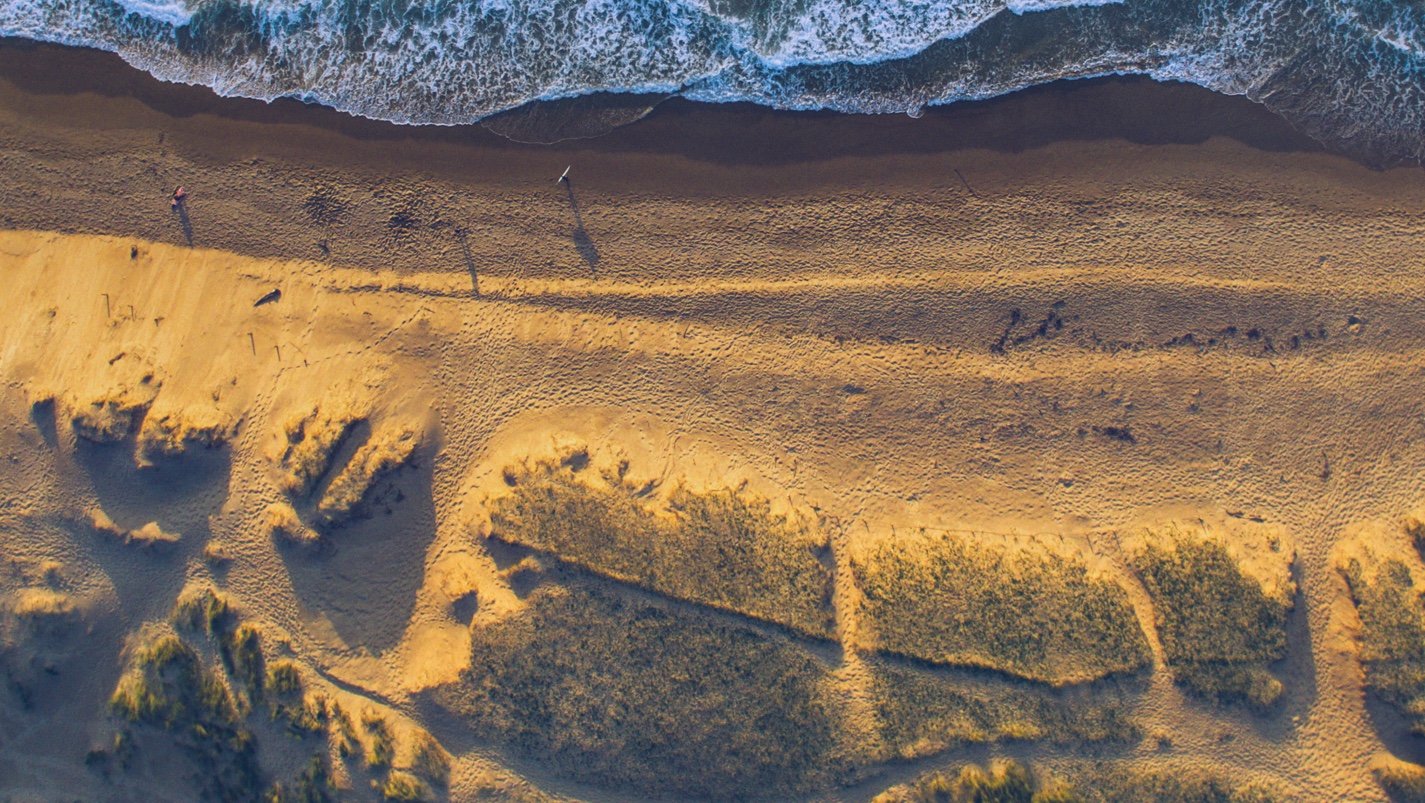
Fall in Love with Beaches in Cádiz

The highly awaited magical sunsets are a very special moment for locals and tourists who celebrate it from the beach and its chiringuitos. A show full of breathtaking colour tones from blue to orange, from red to purple, due to the effect of Rayleigh dispersion, an atmospherical effect of great beauty. To enjoy better these magical sunsets, you should take Pepa Cádiz which will take you through the bay of Cadiz.

Gastronomy, sun, and more than 80 beaches of all kind, fine sand and clear waters, makes the province of Cadiz one of the most popular destinations in summer. Let's make a route to the most beautiful beaches in Cadiz.

Playa de La Caleta (Cádiz)
Located at the border of Cadiz historic center. Some of the scenes for films such as Alatriste, El Amor Brujo and 007:Die Another Day, with Halle Berry coming out from the water, were rolled at this beach. Balneario de la Palma and Castillo de San Sebastián recreated the typical atmosphere of Cuba island. Not surprisingly, Cadiz is a city twinned with La Habana.

Playa de Cortadura (Cádiz)
The longest beach in Cadiz, with its nearly 4 kiómetros long and the only one considered unspoilt, is located next to the walls of Cortadura which served as the defense of the city from the seventeenth to the nineteenth century. In an area of the beach of sand dunes nudism is allowed.

Calas de Conil
Some coves of beautiful landscapes. All around, there are some marked trails between juniper fields for walking and cycling. Especially recommended Cala Del Pato. From here you can access the Cala Roche (also known as the Unknown), in which there is some permissiveness for nudism (as in the Cala Tio Juan de Medina). It lies at the foot of a cliff.

Playas de Trafalgar (Caños de Meca)
Although the core of Caños de Meca is small, it has lots of clean calm-water beaches and some coves where you can enjoy of some privacy. The beaches at Faro de Trafalgar are generally wilder and therefore less crowded. Here you can forget about everything and enjoy the quiet of their sands, despite the impression created when remembering that the famous Battle of Trafalgar happened in these waters in 1805 But there is also crowded family beaches as Playa del Pirata, which has numerous facilities and beach bars.

Zahara de los Atunes
If you would love a nice beach but you also need other incentives, come toZahara de los Atunes. You will enjoy from the better atmosphere and its delicious cuisine in its beach bars Before arriving in Tarifa there is just one of the most spectacular beaches advancing inland, practically virgin, with a dune over 30 meters. Come to the natural pools of Claudia, near the Roman ruins, created by erosion. Deep yourself into its green clay; your skin will get smoother than with any beauty treatments.

Playas de Tarifa
Located opposite the junction of Mediterranean waters and the Atlantic Ocean the beaches of Tarifa are worldwide popular for its ideal conditions for windsurfing, kite surfing, scuba diving and snorkeling. The beach Rio Jara, at the mouth of the river Jara , is a favorite for windsurfing and kitesurfing, especially for beginners in the shallow waters. Like the northern beach of the Lances But if you prefer a quieter beach on the southern beach area of the Lances are not allowed to windsurf or kitesurf in July and August, as in the Playa Chica, the last beach on the Mediterranean.

Picture La Caleta by emijrp/ picture Playa de Bolonia by Anual/ picture Punta Paloma by Manuel Gonzalez Olaechea

Makes you want to go, right? Do it! Check out our prices here!

more info

A Day in Lyon

Lyon is an ideal city for quickly switching off from one’s daily routine and returning home with one’s batteries charged. Here, you will find everything you’re looking for, from fine cuisine to myriad musical, historical and artistic offerings.

But, before strolling through Lyon’s streets, let’s review some features that will help us come to grips with that amazing city.

Introduction

Founded by the Romans, Lyon has long been a compulsory place of passage between northern and southern Europe. Further, its privileged position at the confluence of the Saone and Rhone rivers and its proximity to the Alps has rendered it an essential setting over the last 2,000 years. Listed as a World Heritage Site by UNESCO in 1998, the city breathes that blend of tradition, modernity and sophistication so endearing to tourists. The fact is you can stroll along the medieval backstreets in its old city or promenade along its luxurious boulevards; eat traditional food or shop in its boutiques.

Hub

We begin our itinerary on high. To that end, we take the funicular railway from the Vieux Lyon station and go up to Fourvière hill, the spot where the city was founded. Added to the splendid views are vestiges of the Roman Theatre and Odeon, two backdrops still used for summer art festivals. The impressive Gallo-Roman Museum, embedded in the hillside near the archaeological site, makes a compulsory visit for anyone wishing to discover the origins of the city, as well as to enjoy the sublime building which Bernard Zehrfuss designed in 1975. Still on the hillside and not far from the Roman precinct stands the Basilica of Notre-Dame de Fourvière, its design inspired by Romanesque and Byzantine architecture, the perfect spot for a spiritual retreat and noteworthy for its dozens of mosaics.

After descending on the funicular, the route proceeds through Old Lyon, site of the Cathedral of St John, with its blend of Romanesque and Gothic styles. It is set in one of Europe’s best preserved medieval and Renaissance quarters which is well worth ambling through to soak up the atmosphere. It is also an ideal area for stopping off to eat in the odd bouchon, a traditional Lyonnais restaurant which has helped earn the city its international fame. Consider that Lyon is regarded as the world’s gastronomy capital, the cradle of such chefs as Paul Bocuse and Eugénie Brazier. Make sure you try the local tablier de sapeur, the quenelles, Lyonnais sausage, salade lyonnaise and onion soup. But, make sure the restaurant features the Authentique Bouchon Lyonnais label to avoid anyone pulling the wool over your eyes.

The Upshot

To work off your meal, we recommend crossing the river Saone and venturing along the Presqu’île, a peninsula formed by the confluence of the rivers Rhone and Saone. Prominent landmarks here are the Place Bellecour and Place des Terreaux, the luxury Carré d’Or district lined with boutiques, the sumptuous City Hall and the interesting Fine Arts Museum and Opéra de Lyon. The latter, designed by the acclaimed architect, Jean Nouvelle, sees a large modern structure superimposed on an older, original building – the result is a colossal artwork that will not leave you indifferent. If you check out its website, you are sure to find a show to round off your day.

Here, then, are some pointers for spending an unforgettable day in Lyon. Check out our flights here.


Text and images by Aleix Palau for ISABELYLUIS Comunicación


more info

Al final del camino

Camino de Santiago. A trip to experience.

It’s a fact. Everyone who has walked the road to Santiago agrees, the trip leaves marks for life. But, what does Camino de Santiago have to cause such profound impression to everyone? Is it for the people you meet along the way or the amazing landscapes it goes through? Is it, maybe, the reward of arriving by your own merits to the final destination, Santiago, after many days walking?.

The numbers are compelling: every year, more and more pilgrims arrive to Santiago de Compostela, especially on Holy Years. This is a unique experience that combines a sport challenge and seeking for authenticity and discovering your own self. The final goal is to arrive to Santiago, the center of Jacobean tradition and a place of pilgrimage, after the grave of apostle Santiago was found in the 9th century.

The route has become a mass phenomenon, connecting a network of roads with Santiago as the final destination. No other city is so warm welcoming for travelers and pilgrims; this is a meeting point for people from all over the world.

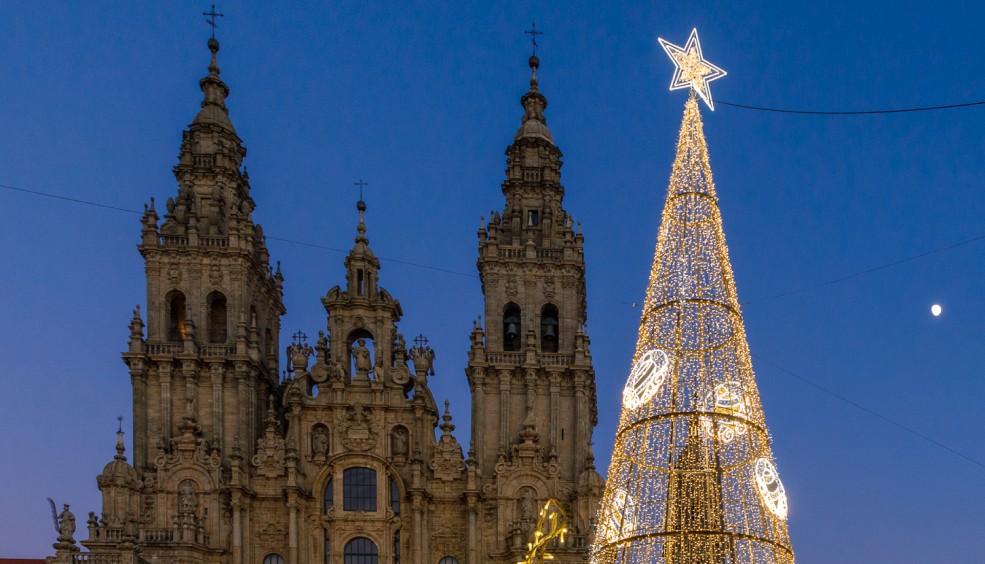
The city. A great monumental complex.

Santiago de Compostela was declared Cultural Heritage of Humanity in 1985, because of its urban beauty, monuments and for keeping the spiritual essence of an apostolic sanctuary.

The city combines perfectly tradition and modernity, in a great monumental complex. The Obradoiro square, which welcomes thousands of pilgrims, is a good example of how the past and the future coexist here, hand-in-hand. Taking a look around the square we can discover many different architectonic styles from buildings that were built during over 700 years on the making. The people look from the Cathedral to the Hostal dos Reis Católicos or from the Colexio de San Xerome to the Pazo de Raxoi, headquarters for the city council.

Along to the abundant green areas, many urban parks and forests surrounding the city, Santiago is a magic and charming place to visit.

For the food lovers.

Whether you choose a good and economic three-course menu, which recovers the energy of the pilgrims, or you prefer a casual meal of tasty portions or original mixes, Santiago is the place to go for food lovers.

Who can resist a tasty pie filled with the most daring combinations, pork with turnip tops, the best seafood, veal, octopus or a strong Galician soup? Or the distinctive taste of a wide variety of cheese: tetilla cheese, Arzúa-Ulloa, O Cebreiro or San Simón?.

Tarta de Santiago is a famous dessert, with over 200 years of history, combining the right proportions of ground almonds, eggs, sugar, butter and hints of cinnamon, under the Apostle cross drawn on sugar.

You can combine culture and gastronomy, can’t you? The place to go is Abastos market, a beautiful building from 1941. This place is the second most visited place in Santiago after the Cathedral. Around here you will find great restaurants and even places where you can ask the owner to cook the products you have purchased at the market.

So you feel like visiting Santiago, do you? Book your flights here!

more info

The Picturesque Villages of Lake Garda

Lake Garda, situated in the north of Italy between Lombardy and Veneto, is the perfect destination for those seeking a balance between nature, historical heritage and gastronomy. It is also the ideal spot for trekking, mountaineering, cycling, sailing and windsurfing. Here, then, is our selection of the prettiest villages in the area. See which ones catch your fancy.

Desenzano del Garda – Gateway to the Lake

Desenzano del Garda is the largest town around Lake Garda. Located on the south side, it is the prime entry point to the lake. The old town is a delight to stroll through and the atmosphere there is amazing, particularly at dusk. A must-see landmark is the Cathedral of St Mary Magdalene, where you can contemplate Tiepolo’s The Last Supper, and the Villa Romana, located on the Via Crocifisso, which features some standout mosaics.

Sirmione – the Pretty Girl

Situated on a narrow peninsula on the south side of Garda, Sirmione is undoubtedly the prettiest town in the area and, consequently, the most touristy. As soon as you catch sight of its old town and its fantastic medieval castle – with a drawbridge included – you will realise why it is so popular and succumb to its charms. Noteworthy, too, are the ruins of an ancient Roman villa known as Grotte di Catullo (Grottoes of Catullus). Despite having nothing to do with a cave, or having ever hosted Catullus in its grounds, it features some excellent, well-preserved frescoes and the views from its olive grove are stunning.

Malcesine – the Shore Lined with Olive Groves

This small town, which is famous for its olive oil, was immortalised by Gustav Klimt en 1913. A prominent landmark is medieval Scaligero Castle which towers over the surrounding houses and has a room dedicated to Goethe. The latter devoted a few lines to Malcesine in his Journey to Italy.It is well worth taking the cableway which runs up to a height of 1760 metres where you can get magnificent views over the lake.

Gardone Riviera – An Elegant Town On the Lake

Its 19th-century villas in Art Deco style and its spectacular gardens make this the most elegant town on Lake Garda. The most prominent feature is the Vittoriale degli Italiani, an unusual and sumptuous estate made up of several buildings, a theatre, gardens and waterways, the work of the poet, Gabriele D’Annunzio and the architect, Giancarlo Maroni. The other must-visit spot is the André Heller Foundation Botanical Gardens which has around 500 plant species.

Riva del Garda – For the Sporting Crowd

This town, set on the northern edge of the lake, against a backdrop of mountains, is ideal for sports enthusiasts. It is the starting point for hikes and cycle tours to Mt Rocchetta and also hosts such watersports as sailing and windsurfing.

Book your Vueling to Verona, which lies just 45 kilometres from Lake Garda, and enjoy yourself sightseeing its shores.

Text by Los Viajes de ISABELYLUIS

Images by Elin B, Marcos Dione, Edoardo Costa, Edwin van Buuringen, Tony Hisgett, Ross Elliott


more info