

A route through the Bretagne
Exploring the Bretagne means reviving the exciting medieval European history, delving into its cultural roots, into its traditions and legends. You will discover stunning landscapes: its beaches, cliffs or amazingmedieval towns like Vitre or Fougères, and you will get the most out of the beneficial effects for the body of Atlantic waters. Bretons are fond of spas and some of the best spas to relax and get purified are located in Dinard and La Baute .
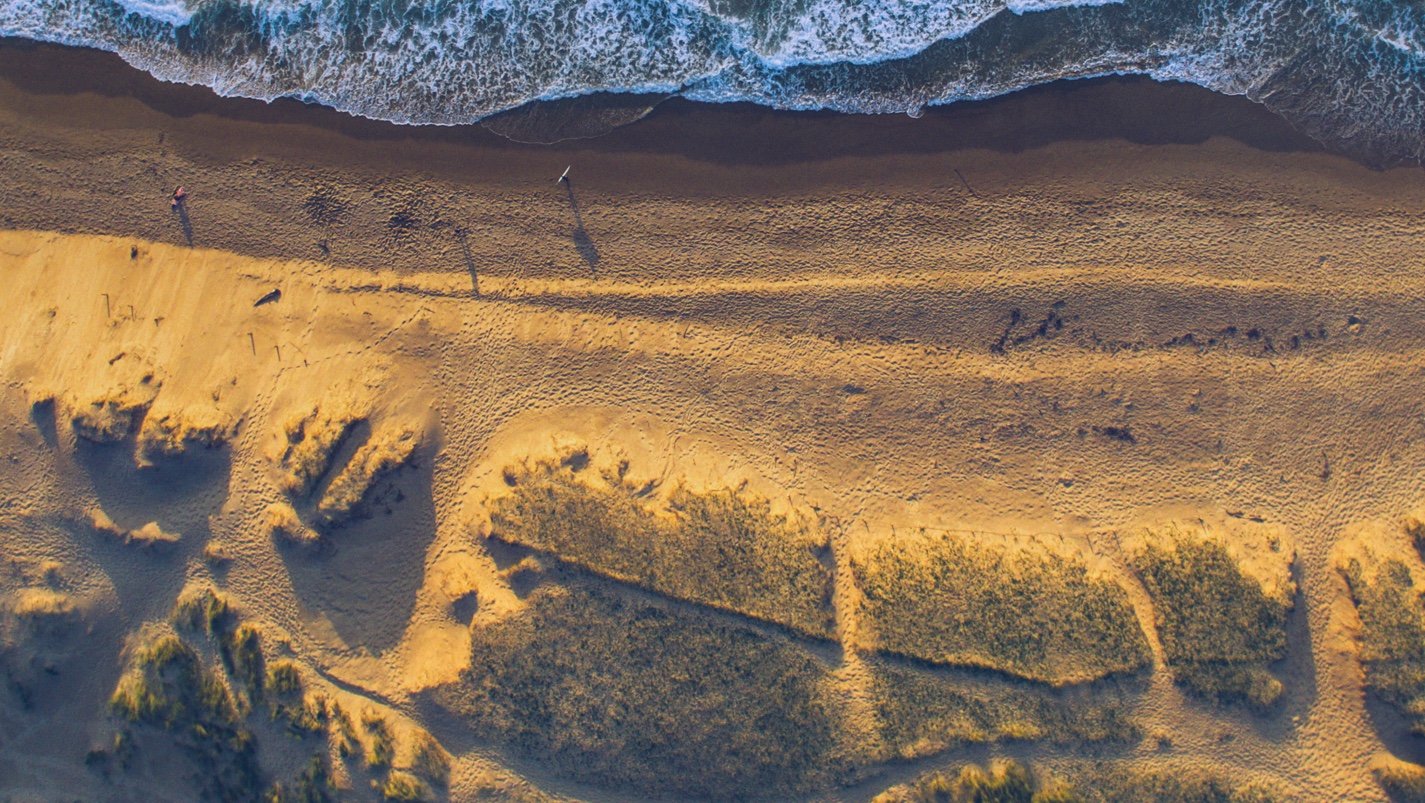
The French Brittany is a large peninsula. Its 1,200 kilometers of coastline and its landscapes and gastronomy prove its close relationship to land and sea, as well as its ancestral traditions, dating back to its Celtic past, actually closer to Ireland or Wales that France itself.
The beauty of the breton coastline is prolonged for its islands, to the North Brehart or Ouessant and the South Sein, Glenan, Groix and Belle-Ile to, paradise of wild beauty with its protected bays and their headlights, and a history and personality. Its ports were strategic points for trade as for military defense and even lands of banishment.
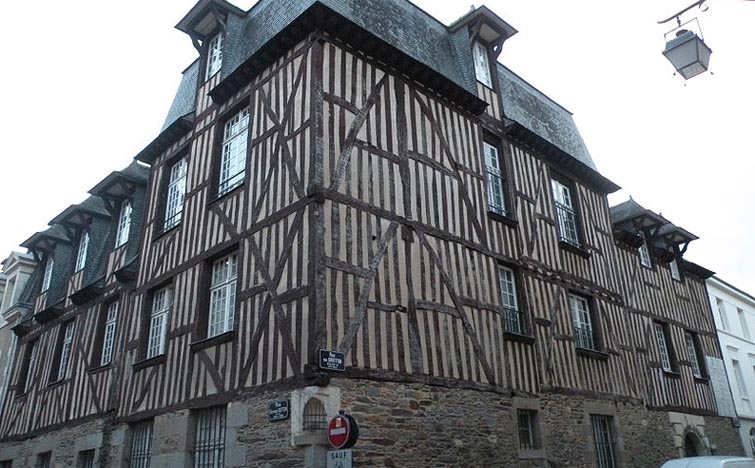
Rennes, capital of Brittany, although it is located at the gates of the Normandy region and is a prominent place of the architectural heritage and witness of the history of the region. Around the two Royal squares, Parliament and the City Council, and their features wood and Renaissance mansions half-timbered houses, centuries of history are drawn.
Brocelandia por CRTB
By the magic Broceliande forest, you will go over hidden trails that will take you by the Bridge of the Secret, the village of Paimpont and its beautiful Abbey and castles of Brocéliande and the passage of Holly.
To the north, in the estuary of the Rance river one comes to Dinan, with its charming old town, and one of the best preserved medieval cities. For its walled enclosure you will discover fascinating monuments as the basilica of Saint-Sauveur or the tower of l’Horlage.
From here the Coast Emerald spreads, with its Green shores dotted with villages, which passes from the walled city of Sain-Malo to the Coast of Pink Granite, which owes its name to its peculiar rock formations of pink shades. And between them, countless sites to explore: the rocky cliffs of Cap Fréhel or Rochefort-en-Terre with its low houses with slate roofs and the charm of the old villages.
Another attraction of the route by the Breton coast is to follow the Way of the headlights, which starts in Brest and ends in Portsall, to take a walk through the half-hundred lighthouses that dot its coastline.
Great painters such as Paul Gauguin and Maurice Denis have immortalized like nobody the Brittany. You can rediscover them in at the Museum of Fine Arts in Pont-Aven. Pont-Aven owes its reputation to the painters’ school that Gauguin led in this fishing village, arrived from Paris and willing to follow his teachings.This population keeps on preserving the nostalgic mills that were happening along the river, which so many times these artists recreated, and its fascination for the painting, but also you will be able to enjoy its famous confectioner’s.
Finishing up the Arch of the Brittany coast to the South, is Carnac, town which houses more than 3,000 prehistoric remains of between 5,000 and 2,000 BC years TIt is the oldest archeological site of Europe, divided into four major areas: Le Menec, Kermario, Kerlescan and Le Petit Menec. You can also complete your visit in the Museum of the prehistory of Carnac..
Eating in Britain
The dilated Breton coastline, bathed by the waters of the Atlantic, mark the gastronomy of the region, which has succeeded like no other, preserve its gastronomic specialities. Fish and seafood take the menus of the restaurants as anywhere else. One of the best oysters in the world, the Belon, and of course, mussels collected here.
In general, all the shellfish and seafood as the spider crab, lobsters or crabs, is collected in its cold waters. This also translates into delicious fish soups. Although if there is a fish by the that the Bretons have a special fervour, that is the cod, which was prepared in all ways imaginable.
But, apart from the fish, in Britain prepares excellent cheeses, as the curé nantais, and butter, cider and delicious pastries. Their crepes, croissants or Sabres will delight the greediest.
Makes you want to go, right? Do it! Check out our prices here!
more info
Chapeau! A route through the Bretagne
Exploring the Bretagne means reviving the exciting medieval European history, delving into its cultural roots, into its traditions and legends. You will discover stunning landscapes: its beaches, cliffs or amazing medieval towns like Vitre or Fougères, and you will get the most out of the beneficial effects for the body of Atlantic waters. Bretons are fond of spas and some of the best spas to relax and get purified are located in Dinard and La Baute .
The French Brittany is a large peninsula. Its 1,200 kilometers of coastline and its landscapes and gastronomy prove its close relationship to land and sea, as well as its ancestral traditions, dating back to its Celtic past, actually closer to Ireland or Wales that France itself.
The beauty of the breton coastline is prolonged for its islands, to the North Brehart or Ouessant and the South Sein, Glenan, Groix and Belle-Ile to, paradise of wild beauty with its protected bays and their headlights, and a history and personality. Its ports were strategic points for trade as for military defense and even lands of banishment.
Rennes, capital of Brittany, although it is located at the gates of the Normandy region and is a prominent place of the architectural heritage and witness of the history of the region. Around the two Royal squares, Parliament and the City Council, and their features wood and Renaissance mansions half-timbered houses, centuries of history are drawn.
30 Kilometres from Rennes lies the lush forest of Oaks and beeches Brocelandia, domain of myths and legends Celtic. It is here where are located many episodes of the novels of the round table, as the search King Arthur ordered to find the Holy Grail and was also the place where lived the fairy Viviana, Knight Lancelot and Merlin the Mage, friend and Advisor of the young Arthur, which say caught there for love.
By the magic Broceliande forest, you will go over hidden trails that will take you by the Bridge of the Secret, the village of Paimpont and its beautiful Abbey and castles of Brocéliande and the passage of Holly.
To the north, in the estuary of the Rance river one comes to Dinan, with its charming old town, and one of the best preserved medieval cities. For its walled enclosure you will discover fascinating monuments as the basilica of Saint-Sauveur or the tower of l’Horlage.
From here the Coast Emerald spreads, with its Green shores dotted with villages, which passes from the walled city of Sain-Malo to the Coast of Pink Granite, which owes its name to its peculiar rock formations of pink shades. And between them, countless sites to explore: the rocky cliffs of Cap Fréhel or Rochefort-en-Terre with its low houses with slate roofs and the charm of the old villages.
Another attraction of the route by the Breton coast is to follow the Way of the headlights, which starts in Brest and ends in Portsall, to take a walk through the half-hundred lighthouses that dot its coastline.
Great painters such as Paul Gauguin and Maurice Denis have immortalized like nobody the Brittany. You can rediscover them in at the Museum of Fine Arts in Pont-Aven. Pont-Aven owes its reputation to the painters’ school that Gauguin led in this fishing village, arrived from Paris and willing to follow his teachings.This population keeps on preserving the nostalgic mills that were happening along the river, which so many times these artists recreated, and its fascination for the painting, but also you will be able to enjoy its famous confectioner’s.
Finishing up the Arch of the Brittany coast to the South, is Carnac, town which houses more than 3,000 prehistoric remains of between 5,000 and 2,000 BC years TIt is the oldest archeological site of Europe, divided into four major areas: Le Menec, Kermario, Kerlescan and Le Petit Menec. You can also complete your visit in the Museum of the prehistory of Carnac..
Eating in Britain
The dilated Breton coastline, bathed by the waters of the Atlantic, mark the gastronomy of the region, which has succeeded like no other, preserve its gastronomic specialities. Fish and seafood take the menus of the restaurants as anywhere else. One of the best oysters in the world, the Belon, and of course, mussels collected here.
In general, all the shellfish and seafood as the spider crab, lobsters or crabs, is collected in its cold waters. This also translates into delicious fish soups. Although if there is a fish by the that the Bretons have a special fervour, that is the cod, which was prepared in all ways imaginable.
But, apart from the fish, in Britain prepares excellent cheeses, as the curé nantais, and butter, cider and delicious pastries. Their crepes, croissants or Sabres will delight the greediest.
Imagen de Pymouss
Makes you want to go, right? Do it! Check out our prices here!
more info
Territorios Sevilla Essentials
The team behind the Territorios Sevilla Festival tells My Vueling City about some of the most modern venues with the greatest tradition in the cityso that visitors from afar can leave Seville with lingering memories. This route includes some of the best options for transforming the festival into a non-stop 48 hours in Seville.
Food and Tapas
Sol y Sombra (151 Calle de Castilla). Immerse yourself in tradition at this cosy place with typical Andalusian tapas at excellent prices and very close to the festival. The bull-fighting atmosphere runs deep in this traditional district of Triana.
La Bulla (28 Calle Dos de Mayo). At the heart of Seville, only 150 metres from the Torre del Oro, the Cathedral and the Maestranza Bullring, La Bulla is the perfect place to discover and enjoy the best gastronomy in the city.
Pura Tasca (5 Calle Numancia). Good tapas and great taste in the Triana district at a place with a 1970s theme.
Traditional Seville
Casa Vizcaíno (27 Calle Feria). A legendary wine bar if ever there was one. The carpet of peanut shells on the floor confirms this place as one of the most traditional bars in the Andalusian capital that simply must be seen. It is perfect for tapas and wine on Thursdays when a second-hand market is organised. This is the most bizarre, authentic and oldest such market in the city as it has been held all the way back to the 13th Century.
El Mariano (3 Plaza del Pumarejo). Great for a lunchtime beer washed down with their emblematic tapas dish of the season: snails.
Popular Places
Enjoy an afternoon coffee (or something stronger!) in the city centre on the Alameda at Central (64 Alameda de Hércules), Habanilla (63 Alameda de Hércules), El Corral de Esquivel (39 Alameda de Hércules) or Café República (27 Plaza de la Alameda de Hércules).
Unmissable and Underground
The place also offers somewhere to have a drink and mingle with the Bohemian culture scene in Seville.
Shopping & Culture
SohoBenita is an initiative from the businesses on Calle Pérez Galdós, Calle Santillana, Calle Ortiz de Zúñiga and Calle Don Alonso el Sabio, in the heart of Seville, where visitors will find shops, hotels, places to eat, tapas bars, galleries, etc.
Image: Jebulon
Why not take a trip to Sevilla? Have a look at our flights here!
more info
Culinary Sparkle After Expo Milan
Some excellent culinary ideas were spawned by the passage of Expo Milan 2015. The show prompted new establishments with an enticing culinary range to open in the city. Most of them are starred eateries, whether blessed with Michelin stars or those that shine with inherent charm, making Milan a highly alluring destination. They are venues where you can discover concepts, savour the emerging talent and distinguish this city as one of Europe’s gastronomic capitals.
Armani Ristorante. Apart from its unbeatable location in Milan’s most stylish district, this restaurant, in the hotel of the same name, was awarded its first Michelin star this year. Its gastronomic offerings denote a reworking of Italian culinary classics based on seasonal produce. Helpings are generous and their presentation befits the status of the establishment. Tables with views, excellent service and a wine list which encourages guests to custom pair with the tasting menu.
Contraste. This is the latest creation of the chefs, Matias Perdomo and Simon Press – a highly personal project – in partnership with the maître and sommelier, Thomas Piras. Housed in a stately mansion alongside the canals, guests are warmly welcomed. Here the service is provocative in that you are cajoled into leaving things in their hands when it comes to selecting dishes, and you are urged to choose the tasting menu. You can eat à la carte, but then the surprise effect is cancelled out. A ritzy, worthwhile gastronomic restaurant.
Tiramisù Delishoes. Picture a bar counter regaled with tiramisus, a restaurant with creative dishes and a “made in Italy” shoe store, all together on the same premises. That is Tiramisù Delishoes, a delightful project combining gastronomy and fashion in the bohemian Brera quarter. On a strategically sited corner between pedestrian precincts, women’s footwear shares the shop window with bottles of wine, pastries and desserts.
L’Orto Di Brera. Still in Brera, where it is a pleasure to stroll about and peek into the different shop windows and bars, you will come across a coquettish market selling fresh produce, cuisine and chef included, where you can buy whatever you like and eat it on the spot at once. If you prefer to avoid getting bogged down with your purchase and cut to the quick, you can choose any of the dishes of the day and have them prepared right there by the chef, Claudio Crotti.
Mandarin Bar. This is the place to be, currently all the rage in Italy’s fashion capital. Your required meeting point is the Mandarin Oriental. Their exquisite bar counter is the perfect spot for extending your stay after lunching in the star-studded Seta– in the same hotel – or for wetting your appetite. Apart from drinks, the bar also serves small dishes with a distinctly Italian flourish and impeccable presentation. Noteworthy, too, is their cocktail list and the dessert trolley, which is not to be missed, as is their Jazz Brunch on Sundays.
Text by Belén Parra of Gastronomistas
more info