

Andalusia: a thousand plans and sunshine all year round
Discover Andalusia: an unforgettable journey through its 8 provinces, where history, gastronomy, nature and beaches combine to offer unique experiences.
more info
Doñana Europes Iconic Nature Park
Distributed across the provinces of Huelva, Seville and Cádiz stretches one of the most emblematic national parks in both Spain and Europe. The Doñana National Park and Nature Reserve, made up of 108,086 hectares of National Park and 53,835 hectares of Nature Reserve, is a jewel coveted by nature enthusiasts, ecosystem devotees and even lovers of outdoor activities. In the following we reveal the secrets to an in-depth encounter with this vast and wonderful natural enclave.
An Ecotourist Paradise
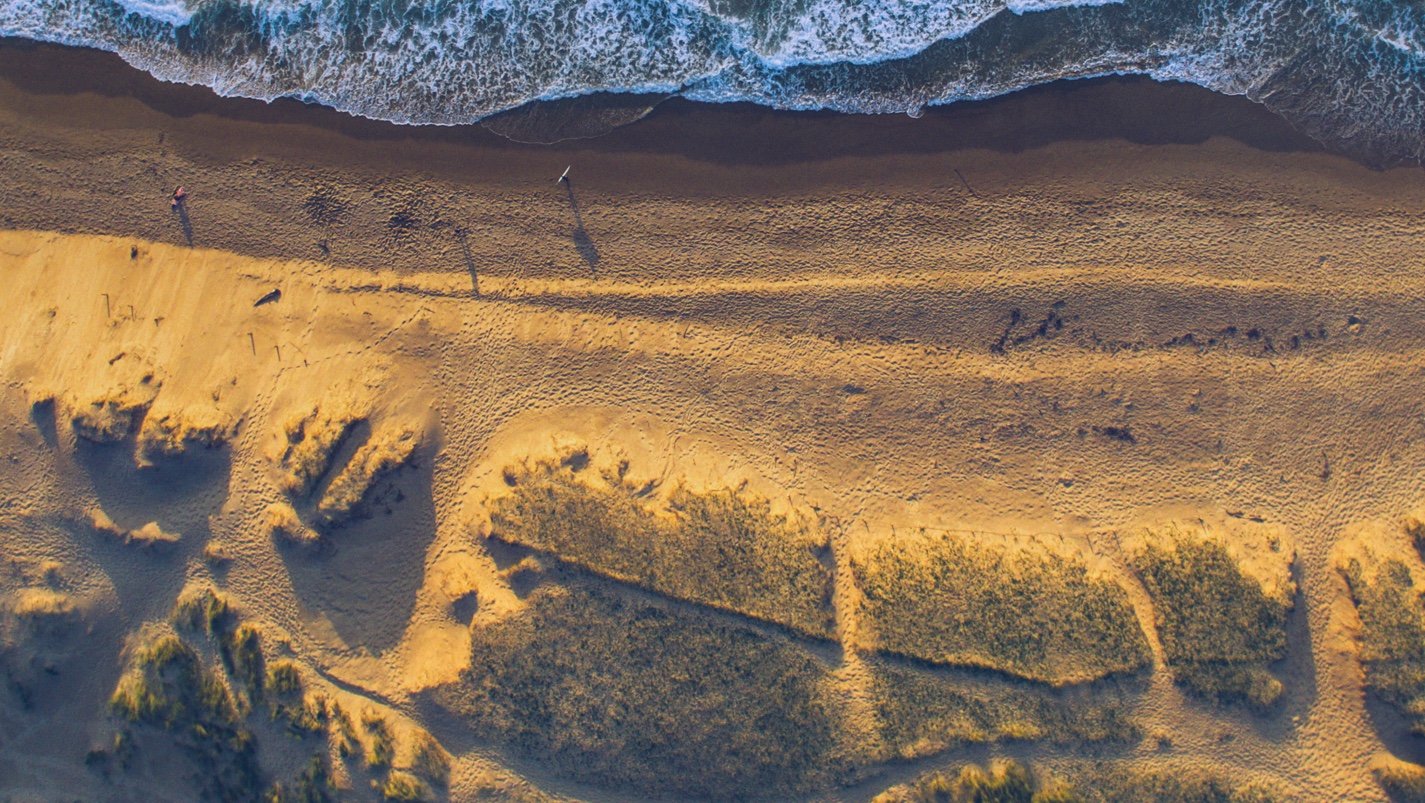
You enjoy roaming through natural surroundings and soaking up their charms? Here you will find a variety of ecosystems to indulge in –preserves, pine groves, lagoons, marshes, wetlands, beaches and dunes will escort you on your journey through Doñana, and in them a rich variety of fauna and flora.
The park’s flora includes over 900 different species, prominent being the large-fruited juniper, cork oak, stone pine, oleander, broom, thyme, rosemary, brambleand a long list of others. Noteworthy among the fauna of Doñana, of which there are over 500 species, is the Iberian lynx, one of the most strictly protected species in the park, as well as a plethora of bird life, which we deal with below.
Birds, Birds and More Birds
While the fauna of Doñana is not limited to its bird life, birds are undoubtedly the leading lights of the park’s fauna, the lynx notwithstanding. They are also the reason most visitors come to this nature reserve. This national park is a longstanding favourite among ornithologists as a huge variety of migratory birds make a stopover at Doñana en route to warmer climes. Large numbers of birds also spend the winter in the park’s wetlands. Visiting the park in autumn or winter will bring you within sight of birds from northern Europe, while doing so in spring will afford views of those coming from Africa.
Planning Your Visit
There are various ways of touring Doñana, although you should take into account at all times that there are certain restrictions on moving about. The first thing to remember is that the nature reserve has fewer restrictions and is more accessible than the national park, to which access is more limited. The easiest and most popular means is to take an all-terrain minibus with a guide, as this is a way of seeing large areas of the park in comfort. A second option is by boat, which you get in Sanlúcar de Barrameda and which takes you along the Guadalquivir, with stops at various points along the river.
Lastly, there are other options that require more of an effort but which are bound to bring you into closer contact with nature, like hiking along the trails on foot or by bicycle. However, you are advised to first enquire at one of the visitor’s centres dotted around the park where you can get information on the various routes.
From Autumn To Spring
The best period to visit Doñana ranges from autumn – when the dry summer season comes to an end and the first migratory birds start flying in – until spring. In summer the park is rather too arid as most of the wetlands dry out during that season.
A Stopover at El Rocío
Whether or not it is time for the shrine pilgrimage, you should not fail to visit El Rocío on your Doñana route. The village is famous for its vastly popular shrine pilgrimage in honour of the Virgin Mary, which takes place at the Pentecost weekend and attracts throngs of people each year. Except when the festivity is in full swing, this village is a backwater of peace and quiet. There you should visit El Rocío shrine and take in the splendid views of the lagoon.
Book your Vueling to Jerez de la Frontera, located 35 kilometres from the Doñana National Park, and discover all the charm of this magnificent nature reserve.
Text by Los Viajes de ISABELYLUIS
Images by Nacho Pintos, Calvin Smith, Mr. Theklan, Porphyrio, Vince Smith
more info
Seville Between Rice Paddies and Salt Marshes
The Guadalquivir Salt Marshes
Stretching across a tract of some 2,000 km2 in the river estuary, between Seville, Huelva and Cádiz, they are part of the Doñana National Park, one of Europe’s largest wetlands. It is home to over 100 bird species which are endemic to the ecosystem and create a stunning spectacle whenever they take off into flight. A land where the birds can be imagined playing flamenco, and the red crabs clapping in unison.
The area provides ideal itineraries for what seasoned travellers like best – to wander off on their own. Literally getting lost here, however, is not that difficult, what with hundreds of unmarked footpaths winding between the rice fields.
Seville’s Amazon
Our itinerary starts along the course of the Guadalquivir and its countless effluents branching off near the river mouth, a picture postcard reminiscent of the Amazon. Located here is Isla Mayor, a town of just over 5,000 inhabitants. Surrounded by grasslands and crop fields, the town appears to turn into a genuine island when flooded. For hiking enthusiasts, there are also a number of routes through the town which can be done by bicycle.
Canoeing devotees should make a point of visiting the Brazo de los Jerónimos, a canal thick with reeds and rushes, which makes paddling along it a unique experience.
Going Back In Time
Crossing from one bank of the Guadalquivir to the other can only be done by taking the Coria del Río ferry. This delightful crossing spanning 300 metres in just 3 minutes is reminiscent of some fast-paced American movie set on the Mississippi or in the Everglades. The crossing takes place with passengers jostling for space with cars, tractors, fishermen, goats and farm motorcycles and is an experience in which time seemingly stands still.
A stunning sight to be had from the riverbank is when a merchant or cruise vessel sails inland with the high tide just a few metres away, bound for the port of Seville, or in the direction of the Atlantic. This astonishing, surreal image will remain in your mind’s eye forever.
Having reached Coria, the itinerary takes us downstream as far as Puebla del Río, along the Calle Arrozal, a land trail winding between poplars and carpeted in spring with grass and wild flowers. On this side of the river, you have the chance to visit such towns as Poblado de las Colinas or Utrera.
Finger-licking Cuisine
After a boat ride, it’s time to enjoy some molletes (muffins) ortoast with colorá lard to regain your strength. This is the most traditional breakfast in the area and any bar worth its salt will offer this spread based on pork lard sprinkled with speckles of meat condimented with garlic, red pepper, oregano, bay leaf and other spices. Even Paco de Lucía himself was bowled over by this delight on the senses, to which he dedicated a few notes and chords in some of his more celebrated melodies.
But, the culinary offerings of these Sevillian wetlands go much further still. Indeed, they are as varied as the landscape itself.
If you happen to be here in June, you can attend the Feria y Fiestas del Arroz y del Cangrejo (Fair and Festival of Rice and Crab), which lasts for five days and provides such typical dishes as tomato crab, crab tails with garlic or sauce, pepper shrimps, duck with rice and salted bleaks.
Restaurants like El Tejao, Sevruga or El Estero offer delicious dishes of crab, elvers, duck, giltheads or bass, served up with the inevitable rice, on the banks of the Guadalquivir.
To taste another essential dish in this area, pheasant with rice, head for the Arco de Colina restaurant – their quality and prices will leave you aghast.
Dare to venture into the Guadalquivir salt marshes? Check out your Vueling to Seville here.
Text by Laura Llamas for Los Viajes de ISABELYLUIS
more info

Finger-licking Seville and Environs
With the huge, varied offerings in its restaurants, Seville is well worth a culinary visit. From the oldest in the city, Rinconcillo (Calle Gerona, 40. Seville), where the waiters write your order down on the bar counter with a piece of chalk, to the modern Eslava (Calle Eslava, 3-5. Seville), award-winner for such tapas as Un cigarro para Bécquer (a cigar for Bécquer), which emulates a cigar, made of brik pastry filled with algae, cuttlefish and squid-ink calamari.
Then there is the canned fare of La Flor de Toranzo (Calle Jimios, 1-3), the varied side-dishes of Catalina Casa de Comidas y Más (Plaza Padre Jerónimo de Córdoba, 12. Seville) and the legendary piripi (sousing) at Bodeguita Antonio Romero (Calle Antonio Díaz, 5, Antonio Díaz, 19 y Gamazo, 16. Seville), a bread roll filled with bacon, cheese, tomato and mayonnaise, with a touch of garlic and pork fillet.
If Seville is worth visiting, its environs also deserve a culinary tour, either to taste the local fare or to find out more about such emblematic products as their cured ham.
At Sanlúcar la Mayor, some 25 kilometres from Seville, is the restaurant Alhucemas (Avenida del Polideportivo, 4. Sanlúcar la Mayor), an eatery serving deep-fries which, according to many chefs, have the best fried fish in Spain. While they have not yet earned a Michelin star, the managers are regulars at gastronomic congresses, where they reveal their culinary secrets. The restaurant is also frequented by shrine pilgrims seeking their spicy skewered meat known aspinchos morunos,and their lobster salad.
A bit further afield – just one hour away by car – is the must-see ham museum unveiled five months ago at the Cinco Jotas (Calle San Juan del Puerto, s/n), in Jabugo, Huelva. The trip is rewarding as it reveals all the secrets of the production and curing of 100% Iberian bellota ham via a series of talking panels, graphics, videos, interactive screens and a 12-metre-long cyclorama which plunges you into the meadows where the hogs roam free… There are three unforgettable moments: walking through the impressive cellar, where 50,000 (maybe more) legs of ham are kept, the room where a contest is held – with screens, as if in a TV set – where visitors are quizzed about what they see and awarded virtual slices of ham, and the end of the visit, where you are treated to a tasty delicacy, washed down with red wine or sherry.
Nearby the museum you can visit the Gruta de las Maravillas (Calle Pozo de la Nieve, s/n. Aracena) in Aracena, a complex of monumental, millenary caves with interior lakes and figures so incredible they seem hallucinatory. You can have lunch at the Arrieros restaurant (Arrieros, 2. Linares de la Sierra) in Linares de la Sierra, where they serve one of the best hamburgers in Spain, made of tenderloin and field mushrooms. (According to Martín Berasategui, it’s the best hamburger he’s ever tasted, and he must be right.) Indeed, the menu is based on Iberian pork, field mushrooms, fruit and vegetables from their allotment and local aromatic herbs. In a nutshell, what their chef, Luismi López, describes as alta cocina serrana (“highland haute cuisine”), which materialises in the form of excellent dishes, notably Iberian game carpaccio, foie gras and vinaigrette del Condado, tomato soup, strawberry gazpacho, scrambled blood sausage and king prawns, toast with semi-cured cheese and herbs…
Text and images Ferran Imedio (Gastronomistas)
more info