

Eating Out Within Dubrovnik's City Walls – Part I
Dubrovnik's cuisine may go unnoticed, with all the unbeatable charms of this walled city and its surroundings to compete against. These include the relaxing and beautiful island of Lokrum, or the idyllic, forested wine area of Konavle, some 40 minutes south of the city. But many restaurants here go far beyond standard fast food or burgers and offer high-quality Mediterranean food, and often generous portions at tourist-friendly prices. The following are the eateries we have tried out for you.
Tinel
Tiny bar in Antuninska Street. Its terrace has a few tables, but is mainly spread out on a street staircase – a common phenomenon in Dubrovnik cafés. People have their coffee while passers-by walk up or down the steps beside them. This bar is frequented by locals and artists attending the Summer Festival.
Skola
Another small and popular establishment, also located in Antuninska Street. Their Dalmatian ham sandwich, Prsut Sir, is the local's favourite – with salty, smoked ham, cheese and lettuce – and has been served here for the last 50 years. Their delicious homemade white bread is served warm, freshly-baked. Salads, sardines and combined dishes are also on the menu.
Proto
First opened in 1886, Protois an institution in the city, with Dubrovnik’s best cooks having learnt their skills here. This calm, majestic terrace located one storey above the street’s bustle has seen the likes of Tom Cruise, Roger Moore, the Game of Thrones stars, Prince Edward and Wallis Simpson. The chef, Bosko Lonac, is in favour of top quality food without too much fuss. His star dishes are fish with salt and egg yolk, drizzled with oil and lemon juice – that melts in your mouth – or cod risotto, where the ingredients aren’t mixed together, but presented separately on the dish; a shrimp and truffle “salad” of extremely high quality and a very interesting octopus ragù, with polenta soaked in cuttlefish ink. For dessert, we recommend rozata, a pudding with a subtle rose liqueur note.
Kopun
A restaurant with history. Its terrace is surrounded by emblematic buildings, such as the only Baroque church in the city – St Ignatius – a seminary, and a Greek and Latin school. History is also present in their cuisine, featuring traditional Croatian dishes, including capon, eaten since the 16th century (Kopun means capon in Croatian). This versatile delicacy can be found in soups, salads, mixed in a mushroom sauce, oven-baked (for six to eight people), and Dubrovnik style – with figs, carrots and gnocchi – a recipe that is featured in the cookbook of Game of Thrones.
Other dishes worth trying are fuzi (macaroni) with prawns and truffles – an Istrian specialty – topped with a langoustine, Slavonian cold meat, lightly smoked and quite spicy, and brodet, a type of fish and seafood stew with polenta and pungent tomato sauce.
Only Croatian wines are served here. We recommend the fresh Malvasija Tezoro white and the powerful Pometred, both from the Konavle wine area. And last, but not least, they are kind enough to provide blankets for the diners.
It opens every day from March to October from 11 a.m. to 11 p.m. Their daily menu costs 10 euros including a fish, meat or vegetarian main course and dessert, drinks excluded. If you opt to dine à la carte, the average price is 25 to 30 euros, without drinks.
Lero Hotel
When travelling to Dubrovnik, we recommend spending the night here. It’s not too pricey and is a 20-minute walk from the historical centre. Modern and very comfy, albeit lacking any frills, this hotel has several rooms with a sea view and amenities such as a swimming pool, a wellness area and a Wi-Fi connection.
After giving you some tips on Dubrovnik’s best spots to dine in, coming soon is an issue of My Vueling City devoted to the cuisine outside the city walls. Come and experience this marvellous city with us! Check out our flights here.
Text and images by Grastronomistas
more info
Gran Canaria The Great Atlantic Escape
Our free days are a pleasant surprise on the calendar and the best way to get the most out of them is to board a plane bound for some fresh, entertaining and getatable destination. That spot is Gran Canaria, a whirlwind of sensations, halfway between Europe, Africa and America.
Gran Canaria is just a two-hour flight from the Iberian Peninsula. So, getting there is really easy. A comfortable trip with no stopovers will convey you to that diverse land which emerged millions of years ago from submerged volcanoes in the depths of the Atlantic.
One of the perks offered by a Gran Canaria getaway is, of course, the winter sun. Temperatures on the island remain a constant 24 degrees all year around, enabling you to make the most of any outing to Las Canteras, Maspalomas, Playa del Inglés or Puerto de Mogán, some of the best known and famous beaches.
The Gran Canaria seaboard is the perfect setting for letting off steam by engaging in watersports, but, if what you’re after is making forays into the island’s interior, you should make a point of visiting the towns of Teror, Agüimes, Tejeda and Artenara, or such stunning spots as the Guayadeque Gorge, an ancient pre-Hispanic settlement which nowadays is noted for its striking, cosy cave houses.
Any trip to Gran Canaria should include a visit to the island’s summit, a central area in the Biosphere Reserve where the Roque Nublo and Roque Bentayga outcrops stand. Oh, and remember to get your camera ready. There, you will literally feel like you have arrived in heaven when the weather phenomenon known as the “sea of clouds” spreads out at your feet, as if you were the main subject in a painting set against the memorable scenery of steep mountains and deep gorges.
The north coast of Gran Canaria features some must-see sites such as Puerto de Las Nieves and the Valle de Agaete, a lush garden with tropical fruit housing the only coffee plantation in Europe. Gáldar awaits you with the majesty of the Cueva Pintada (Painted Cave), the largest native Canarian archaeological site, while Arucas, for its part, is the headquarters of Arehucas Rum, a peerless drink which has livened up the festivities of many generations of Canary Islanders.
Well worth visiting is Las Palmas de Gran Canaria, a carefree capital with a wealth of cultural activities. Its Vegueta district is the city’s historic centre and you are urged to venture into the monumental area to see close-up the Cathedral of Santa Ana, Museo Canario, Centro Atlántico de Arte Moderno and Christopher Columbus House Museum, a beautiful enclave where the Genoese navigator stopped over on his way to discovering America and which highlights the relationship between the Canary Islands and the New World.
If you’re up for an intense day of shopping at more than reasonable prices, the Calle Mayor de Triana is the ideal spot for it. Large, national and international firms and prestigious brands have stores in this shopping area, and the latter is a pleasure on the eyes, as the district features picturesque buildings in various architectural styles.
Gran Canaria is a lively island, an urban travel destination where you can soak up the atmosphere of its street markets and craft stalls, as well as the various events held there during the year. The last quarter of 2016 will see such long-awaited events as the start of the ARC Transatlantic Race, the Underwater Photography Contest, the Bethlehem built of sand on Las Canteras beach or the Gran Canaria Walking Festival, a grand event for trekking enthusiasts which in this upcoming fifth edition will be including new routes and a night itinerary for star-gazing on the Cumbre de Tejeda.
All these offerings make Gran Canaria a unique destination for an exciting long weekend or warm autumn or winter holiday. Here, time flies by and the island has lots of travel plans to be savoured in advance.
Why wait to experience all this first-hand? Check out our flights here.
Images by Patronato Turismo Gran Canaria
more info
Gifts Galore and More
Barcelona is clearly a favourite shopping destination. The string of stores is endless, and design plays an important role in them. The good thing about shops in Barcelona is that you can find anything, from second-hand bargains in Els Encants to sophisticated luxury goods in the Passeig de Gràcia. Here, then, is a rundown of different areas in the city to save you from perishing in your endeavour to hunt down your much coveted Christmas presents.
Diagonal
The Diagonal has become a large, attractive, comfortable and glamorous promenade abuzz with commercial, tourist, gastronomic and urban activity. On a stroll along the avenue you can delight in the best brands and interior design stores, designer furniture and premium accessories. It boasts the leading shopping malls, iconic buildings and personalised “made in Barcelona” attention for shoppers. The avenue is lined with shops of all kinds, specialising in beauty care, accessories, home furnishings, jewellery, fashion, children’s goods and four large department stores – El Corte Inglés Diagonal, El Corte Inglés Plaça de Francesc Macià, L’Illa Diagonal and Pedralbes Centre.
Eixample
On a walk through the streets of this district you can spot myriad examples of Modernist buildings, architectural gems in their own right. Here, the shopping is noteworthy for its quality, glamour, specialisation and variety of products and establishments, featuring both world-famous designer stores and centuries-old shops redolent with history and tradition. Craftwork, beauty care, accessories, gourmet delicatessen, home furnishings, jewellery, fashion, children’s goods and shoe shops are the forte of this shopping area.
Casco Antiguo (Inner City)
Prominent here are shops featuring antiques, craftwork, beauty care, accessories, delicatessen, home furnishings, jewellery, fashion, children’s goods, shoe stores and the five leading department stores – El Corte Inglés, on the Avinguda Portal de l’Àngel, La Rambla and Plaça Catalunya and, in the harbour area, El Triangle and Maremagnum. This is the area with the most history in the city. It starts at the Plaça Catalunya, in the centre, proceeds along La Rambla, Barcelona’s most popular and colourful promenade, and into the districts of El Raval and the Gothic Quarter, where traditional and modern commercial establishments rub shoulders with cultural centres, not to mention the shopping centres and department stores.
Born
With its more than two thousand years of history, El Born quarter is an area of contrasts, with history and culture coexisting side by side with trendy shops, culinary offerings, fashion and art. Prominent are the establishments offering antiques, craftwork, beauty care, accessories, delicatessen, jewellery and fashion.
Shopping Centres
Apart from shops, Barcelona boasts a large number of shopping centres and department stores offering goods of all kinds. They are ideal spots to shop when time is scarce, and they also provide leisure and catering facilities for spending time, either alone or with the family. In addition to those mentioned in the previous sections, the other must-visit shopping centres in the city are Diagonal Mar Shopping, La Maquinista and Las Arenas, the latter housed in a former bullring.
Retail Hubs
The city’s retail hubs stretch across all districts, where modern establishments are interspersed with long-standing traditional stores. A visit to these stores provides an enjoyment of Mediterranean-style shopping, which is essentially a family venture, with personalised attention based on a friendly demeanour and the professional service that comes through long tradition. All kinds of goods are available through these channels.
Additionally, this year, as part of the Barcelona Christmas Shopping campaign set up by Turisme de Barcelona, you can win one of the three trips for two people to come and shop in Barcelona over the Christmas season. If you visit this website, you can gain access to discounts in over 50 stores in the city and look up all the festive activities on the shopping agenda.
Don’t miss out on the chance to enjoy one of the greatest pleasures in your favourite city – check out our flights here.
more info
Cabo de Gata: A paradise available to all
Often we believe that to discover great landscapes in the world we must go to remote places, far from our borders, beyond Europe… We believe the more exotic the country is, the easier it will be to find that stunning landscapes, full of life, that we only see in the movies or in our dreams. But nothing could be further from truth because close by, in Cabo de Gata, we can find one of the most important natural ecosystems in Spain, 37k terrestrial hectares and 12k sea hectares of protected area.
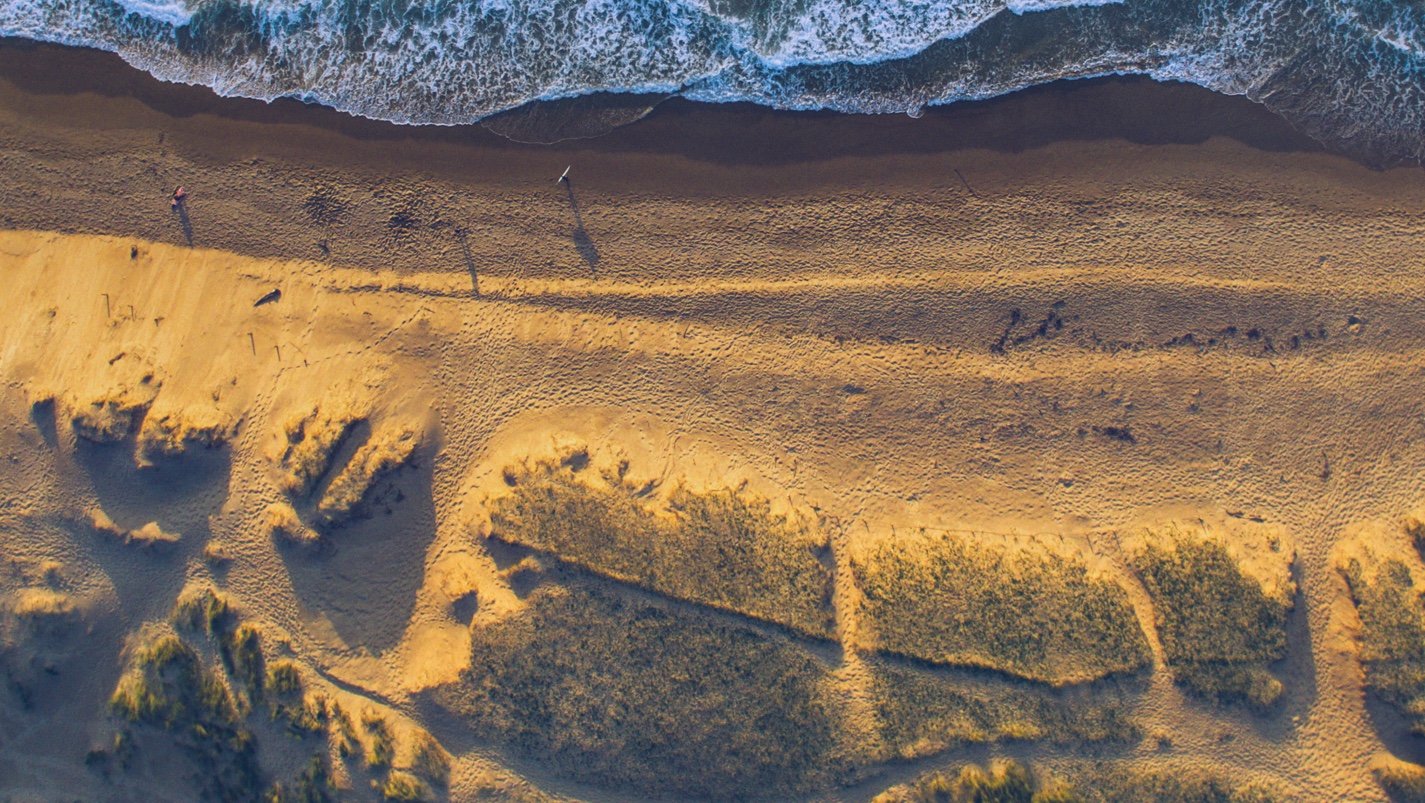
We talk about unspoilt white sand beaches, cliffs, caves, coves, desert and mountain range, all in the same spot. The UNESCO declared it a biosphere reserve, it occupies 63 kilometres of coastline and the seabed is listed among the richest in the Mediterranean. This is a fantastic place with endless activities to enjoy nature in Almeria. Here is a list of the most remarkable places in Cabo de Gata.
BEACHES AND COVES
At Cabo de Gata-Níjar Natural Park we can find spectacular cliffs, amazing nature beaches, urban beaches and beautiful coves. The most popular are listed bellow:
Genoveses beach: Located at Campillo Genovés, it is part of the most beautiful bay in the park, situated in a valley which has not being built on, has a fine extension of 1 km of dunes of sand. This is a virgin beach with stunning panoramic views.
Mónsul beach: With a volcanic origin, the Mónsul beach is surrounded by ancient lava flows eroded by the wind and the water during the years until formed the stunning landscape we can see nowadays. This is, no doubt, the most famous beach in the area, as it was featured in several movies such as Indiana Jones and the Last Crusade.
Playazo beach: surrounded by the mountains in one side and the San Ramón castle by the other, we can find one of the most beautiful beaches in the park and, at the same time, one of the most accessible and comfortable. Furthermore, not far from here and following a short path we can reach the cove Bergantín.
Enmedio cove: One of the most wild and unspoiled coves in the area, it’s surrounded by fossilized dunes and has great views to the Agua Amarga town, in the other side of the bay, and right behind, the Mesa Roldán hill with its lighthouse and castle. As a case in point, New York Times featured the beauty of this cove in a recent article.
Los Muertos beach: The beach with bluer and clearer water in the area. From here you can also access El Peñón and Las Salinicas coves. This is a beach that is difficult to access to, it is also a quite dangerous one, because of hard east winds, and that’s where the name comes from.
TOWNS AND PLACES
El Cabo de Gata is one of the most arid areas in Spain and on of the driest in Europe, but it has a long-standing tradition of fishing, with old charming little towns. The average annual temperature is around 18 and 20 degrees. This is a place to be explored in order to understand the natural wealth in this country.
La Isleta del Moro: A fishing village full of charm, years ago was the cradle of Arab and Berber pirates. This place is perfect to enjoy Mediterranean seafood.
San José: It is considered the capital town for the nature park; San José is also the biggest town inside the park, perfectly located as beaches, coves and nature surround it.
Los Escullos: The writer Pérez-Reverte used this stunning location for his book “The Nautical Chart”. The San Felipe castle, the beaches and fossilized sand dunes surrounding this place should not be missed.
Níjar: This town was able to preserve the tradition of whitewashed houses, keeping the vestiges of Arab heritage. This place is perfect to purchase crafts.
Las Sirenas reef: One of the most photographed and iconic sightseeing places in the park because, in addition to its great beauty, the lighthouse at Cabo de Gata is the exact point where the southeastern part of the peninsula ends.
Image from Emilio del Prado
Makes you want to go, right? Do it! Check out our prices here!
more info