

Sardinia: an amazing island
Up to Sardinia, the second largest island in the Mediterranean, comes all kinds of tourism attracted by its fantastic contrasts. Big claims are its magnificent landscapes, crystal clear waters and beaches – that nothing have to envy to the beaches of the Caribbean-, considered to be one of the most beautiful in the world. But up to Sardinia becomes also a tourism seeking to discover their valuable cultural legacy.
Ancestral traditions and rural ambiences that intermingle with modern cities and, in many areas, a luxurious tourism with big purchasing power. The fact that till not long ago, the island was a slightly exploited turísticamente, it does that the Sardinians still preserve predisposition is good towards the tourism. They always prove to be kind and ready to help and to advise.
Olbia is located in the North of the island. Olbia means ‘happy town’ and is not for less!. Here you will find that, for some, are the most beautiful beaches of the Mediterranean. It will cost you to choose between all of them, with its crystal clear waters and fine white sand. The beaches of Porto Istana, Lido del Sole, Li Cuncheddi, Bados, Il Pelikano happening by the 55 kilometres from the Coast Emerald in a postcard landscapes. And for the more daring, remember that it is an excellent area to practice the exciting kite surfing!
The Coast Emerald is a holiday place of jet set. The area of the gulf in which it places Olbia finds full luxurious yachts, and it is frequented by celebrities of all kinds that culture and history come attracted by the fascinating nature miscellany. And the fact is that Olbia preserves historical buildings and architectural value as the Town hall, the Romanesque iglésia of San Simplicio, the ruins cistenses or the Carthaginian wall.
The city of Cagliari, the capital of Sardinia, is located on seven hills (Sant’Elia, Bonaria, Monte Urpinu, Castello, Monte Claro, Tuvixeddu San Michele), in the gulf south of Sardinia and surrounded by marshes. Cagliari, and the entire island of Cerdagne in general, retains important vestiges of the Phoenician and Roman civilizations, and a true medieval air. You ll marvel at their culture, and the taste of marinera capital.
The oldest district of the town is the Castello, in which are the main points of interest. Perched high on a hill, you can easily access, either from the elevator of the market of Santa Chiara, from which it is located near to the Torre di San Pancrazio or climbing the staircase of St Remy that comes out of the piazza Constituzione. This square is a very lively place at night, with performances and lively local.In the district of la Marina, more mediterranean atmosphere, with plenty of typical taverns to eat. And let’s not forget the beaches! The most popular is the of Poetto, and one of the most beautiful of all the Mediterranean, as well as the marshes where you can see a host of migratory birds such as flamingos.
Finally, mention her excellent gastronomy. As in the rest of the Mediterranean, Sardinia is an island rich in healthy products from land and sea. Starting with its typical bread, the pane pane Carasau – of thin mass and crunchy, which many times is served drizzled with olive oil or to which you add tomato, fried egg or cheese. If you want to apply for a rich incoming, choose between the octopus, tuna, soup of fish, squid, shrimp, a dish of pasta or the rich rice that so well prepared. To choose a wine, keep in mind that the best come from the area of Alghero or Oristan.
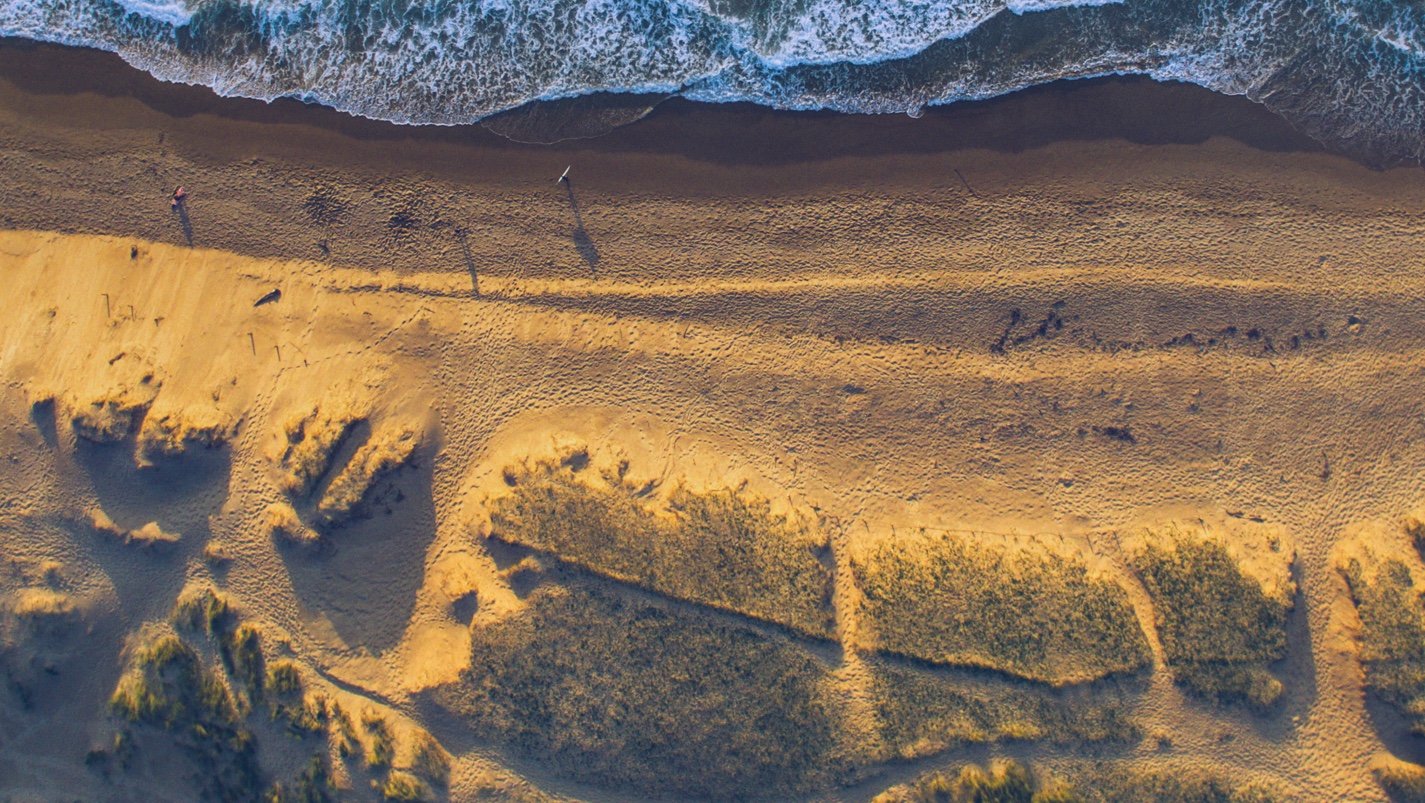
Imagen de Max.oppo
A place well worth discovering! Check out our flights here.
more info

Sardinia: an amazing island
Up to Sardinia, the second largest island in the Mediterranean, comes all kinds of tourism attracted by its fantastic contrasts. Big claims are its magnificent landscapes, crystal clear waters and beaches – that nothing have to envy to the beaches of the Caribbean-, considered to be one of the most beautiful in the world. But up to Sardinia becomes also a tourism seeking to discover their valuable cultural legacy.
Ancestral traditions and rural ambiences that intermingle with modern cities and, in many areas, a luxurious tourism with big purchasing power. The fact that till not long ago, the island was a slightly exploited turísticamente, it does that the Sardinians still preserve predisposition is good towards the tourism. They always prove to be kind and ready to help and to advise.
Olbia is located in the North of the island. Olbia means ‘happy town’ and is not for less!. Here you will find that, for some, are the most beautiful beaches of the Mediterranean. It will cost you to choose between all of them, with its crystal clear waters and fine white sand. The beaches of Porto Istana, Lido del Sole, Li Cuncheddi, Bados, Il Pelikano happening by the 55 kilometres from the Coast Emerald in a postcard landscapes. And for the more daring, remember that it is an excellent area to practice the exciting kite surfing!
The Coast Emerald is a holiday place of jet set. The area of the gulf in which it places Olbia finds full luxurious yachts, and it is frequented by celebrities of all kinds that culture and history come attracted by the fascinating nature miscellany. And the fact is that Olbia preserves historical buildings and architectural value as the Town hall, the Romanesque iglésia of San Simplicio, the ruins cistenses or the Carthaginian wall.
The city of Cagliari, the capital of Sardinia, is located on seven hills (Sant’Elia, Bonaria, Monte Urpinu, Castello, Monte Claro, Tuvixeddu San Michele), in the gulf south of Sardinia and surrounded by marshes. Cagliari, and the entire island of Cerdagne in general, retains important vestiges of the Phoenician and Roman civilizations, and a true medieval air. You ll marvel at their culture, and the taste of marinera capital.
The oldest district of the town is the Castello, in which are the main points of interest. Perched high on a hill, you can easily access, either from the elevator of the market of Santa Chiara, from which it is located near to the Torre di San Pancrazio or climbing the staircase of St Remy that comes out of the piazza Constituzione. This square is a very lively place at night, with performances and lively local.In the district of la Marina, more mediterranean atmosphere, with plenty of typical taverns to eat. And let’s not forget the beaches! The most popular is the of Poetto, and one of the most beautiful of all the Mediterranean, as well as the marshes where you can see a host of migratory birds such as flamingos.
Finally, mention her excellent gastronomy. As in the rest of the Mediterranean, Sardinia is an island rich in healthy products from land and sea. Starting with its typical bread, the pane pane Carasau – of thin mass and crunchy, which many times is served drizzled with olive oil or to which you add tomato, fried egg or cheese. If you want to apply for a rich incoming, choose between the octopus, tuna, soup of fish, squid, shrimp, a dish of pasta or the rich rice that so well prepared. To choose a wine, keep in mind that the best come from the area of Alghero or Oristan.
A place well worth discovering! Check out our flights here.
Picture by Alsecommons
more info
Easter in Sicily – between Christianity and Paganism
As in much of Spain, Holy Week unfolds with great intensity in most of Sicily. This comes as no surprise – the processions of penitents commemorating Christ’s Passion and Death were brought to the island by the Spanish in the 16th century. While they abound across Sicily, the processions that arouse the greatest expectation are those held in villages like Enna and Caltanissetta, both of which lie about an hour’s drive away from Catania.
But all Sicily’s beautiful, timeless villages preserve their deep-rooted traditions, each with its own character. A holiday on the island during Holy Week could combine sightseeing in coastal towns, discovering local architecture and tasting their delicious cuisine. And, during the festivities, the religious guilds stage spectacular Easter processions in which the Baroque aesthetic prevails.
If you want to savour some of these ancient festivals, go to Prizzi on Easter morning. There they celebrate the Ballo dei diavoli (dance of the devils). In this folk tradition from the Middle Ages, death, dressed in yellow, accompanied by devils clad in red, roam the town heckling the passers-by, who can only get rid of their tormentors by giving them a donation. This takes place just when the madonna and child make their entry. This curious form of revelry, a mix of the religious and the profane, represents the eternal struggle between good and evil.
A similar event known as the Diavolatais held in Adrano.The main square or Piazza Umberto provides the backdrop for this battle between good and evil, represented by Lucifer and his devils on one side and St Michael the Archangel on the other.
Another picturesque celebration is the Madonna Vasa Vasa,in Modica, in which the faithful crowd around the floats on their way to the church of St Mary of Bethlehem to witness the traditional bacio di mezzogiorno (the noon kiss) between the Virgin Mary and the resurrected Christ. Vasa means “kiss”. Dressed in mourning, the Madonna is carried through the streets of Modica in search of her son, to the rhythm of drumming. Throughout the procession, the people sing, dance and drink to celebrate the event. While strolling through the winding streets of Modica’s charming historical centre, visitors will eventually come across the striking Baroque architecture in the area around the Castle of the Counts of Modica, listed as a World Heritage site since 2002.
One of the oldest and most enigmatic celebrations is the Procession of the Mysteries, held in the historical centre of Trapani. Full of light and emotion, this procession consists of twenty float groups depicting the Passion and Death of Christ which parade through the streets for 24 hours, starting on Good Friday afternoon. The figures are borne on the shoulders of the massari to the rhythm of a traditional music known as annaccata.
As in all traditional festivities, Holy Week in Sicily has its characteristic confectionery. The colomba pasquale (Easter dove), also known as the palummeddi or pastifuorti, is eaten in the home. This typical sweet is usually shaped like a dove or rooster, although new shapes are emerging all the time. It consists of flour, sugar and cinnamon, topped off with a hard-boiled egg as a symbol of Easter and rebirth. A similar pastry is the cuddura, typical of the Calabria region. Based on flour and water, it is similarly adorned with hard-boiled eggs. The casatta siciliana is another cake eaten at Easter, although it is sold in pastry shops all year around. If you would like to taste some of these delicacies, the best assortment is to be had at Pasticceria Irrera, on the Piazza Cairoli 12 in Messina, and at Caffè Sicilia, on Corso Vittorio Emanuele III, 125 Noto de Siracusa.
Go for it! Check out our prices here!
Text by ScannerFM
Image by Clemensfranz, Carmelo Giuseppe Colletti, Rmax75, Giovanni, Traktorminze
more info

A Fiesta to Die For at Santa Marta de Ribarteme
At noon on 29 July each year, in the small Pontevedran church of San Xosé de Ribarteme, one of the most unusual processions in the world sets out – the Romaxe dos cadaleitos (Procession of the Coffins) of Santa Marta de Ribartemeo. San Xosé de Ribarteme is in the municipality of As Neves, some 30 kilometres from Vigo, which for centuries remained isolated from the influence of traditional, orthodox Catholicism.
The effigy of St Martha is paraded at the procession of Santa Marta de Ribarteme,protectress of the helpless and patroness of lost causes, one of the most devoutly worshipped virgins in the community. She is also the sister of Mary Magdalene and Lazarus, who was raised from the dead by Christ after having been dead for three days. Alongside her effigy and the images of St Benedict and the Virgin of Carmen, a funeral cortege comprising open coffins with living people insidefiles past, the coffins held aloft by family and friends. It is a profound act of faith, combining religion and symbology, by which the faithful intend to fulfil a promise they have made to St Martha out of gratitude for having survived some near-death experience. As the cortege files past, the other pilgrims sings the praises of the virgin’s healing powers to the rhythm of drums and the constant pealing of bells.“Virgin St Martha, Star of the North, we bring you those who saw death”.
The enactment breathes spirituality and a devotion typical of the Galician heartland. Visitors may be shocked by the scene, but every year more and more faithful, tourists and passers-by come to this small Galician village to experience this special moment. Galicia is a land of legends in which death and resurrection often play a major role. Stories which unfold across misty landscapes, like the one about the Holy Campaign – a procession of tormented souls who, in their grim wanderings, visit the homes where someone is about to die. This mysticism is part of the land’s charm – to discover the essence of Galicia, one has to come to terms with its ancestral customs.
In the International Limelight
The procession is arousing increasingly more interest among tourists and journalists around the world. It even came to the notice of The Guardian which ranked it the second most unusual festivity in the world, a fact which has increased its fame even further. Other landmarks in the area have also come to the prestigious newspaper’s notice – it has classed Rodas Beach and the Cíes Islands, in the archipelago of the same name in Pontevedra province, as the most beautiful in the world.
The journal, National Geographic, also set its sights on the Rías Baixas in a documentary on cultural traditions and communities around Europe. In the course of its making, the television presenter, Darren McMullen, got heavily involved in the action by climbing into one of the processionary coffins.
«El Concello de As Neves»
The Concello de As Neves municipality, closely linked to the river Miño, which forms the natural border with Portugal along a 10-kilometre stretch, is an ideal spot for delving into the past. This is evident at A Pedra da Moura, in the Taboexa parish district, and Monte das Carboeiras, in Liñares, as well as in the military vestiges at Cividá, Rocha and Altamira. The beautiful landscapes of As Neves can be viewed from several routes skirting the Miño riverbanks, notably the Sendeiro dos Pescadores de As Neves, which winds along the Galician side of the river, and the Ruta do Patrimonio Natural e Histórico-Artístico, a circular route which traverses the thirteen parish districts in the As Neves municipality.
Concello de As Neves also boasts fine cuisine, with such local produce as lamprey, baby eel, game, honey and queixo (cheese) das Neves, ideally washed down with a white wine from the Miño riverbanks such as Condado or Albariño, or the Rubios red.
Come and live out this extraordinary experience. Check out our flights to Vigo here.
Text by Scanner FM
Images by Ricardo Grobas for Vivir Galicia Turismo, Galicia Maxica, Un paseo o una foto
more info