

6 Reasons To Escape To Madeira
The Atlantic Ocean is blessed with a group of islands – Madeira – whose main draw is their natural beauty, with a stark contrast between the leafy green vegetation and the deep blue of the Atlantic waters. Not for nothing has it acted as a place of refuge, rest and inspiration over the last few centuries, seeing the passage of such figures as Napoleon Bonaparte, the Empress Sissi, Emperor Charles I of Austria, the writer George Bernard Shaw and Winston Churchill, among others. You could be the next traveller to become captivated by these isles. Here are the main reasons it is worth flying to Madeira:
1. Good Climate All Year Around
The geographical location of these islands and their mountain relief have endowed them with a tropical oceanic climate, featuring pleasant temperatures all year around, ranging from 17°C in winter to 25°C in summer. This means that any time of year is suitable for visiting and enjoying the archipelago.
2. Funchal, the Capital
The capital and one of the largest cities in Madeira is Funchal, which lies in the south of the archipelago. Standout landmarks in the city’s priceless historic centre include the 16th-century Sé Cathedral – noteworthy for its Mudéjar-style, wood-panelled ceiling – and the Igreja do Colégio collegiate church, its interior studded with gold panelling and tiles.
One of the inevitable rituals for sightseers when they come to the city – assuming they are bold enough and don’t suffer from vertigo – is to go up in the cable-car that leads to the lofty suburb of Monte. The hill affords spectacular views of the bay and it is worth visiting the local Monte Palace Tropical Garden and Leite Monteiro Park. The return trip down the hillside can be negotiated on an unusual form of transport – a kind of wicker toboggan driven by two men dressed in white called carreiros who steer the cart down the slope.
3. Unique Fauna and Flora
One of the highlights of the island is the presence of indigenous animal and plant species. A must-see is the World Heritage Laurisilva Forest. Another must-visit are the Desertas Islands, a marine nature reserve which boasts indigenous shellfish and sea birds like Cory's shearwater and the Madeiran storm-petrel. Animal species also include the monk seal, indigenous to the archipelago.
4. Porto Santo Beach
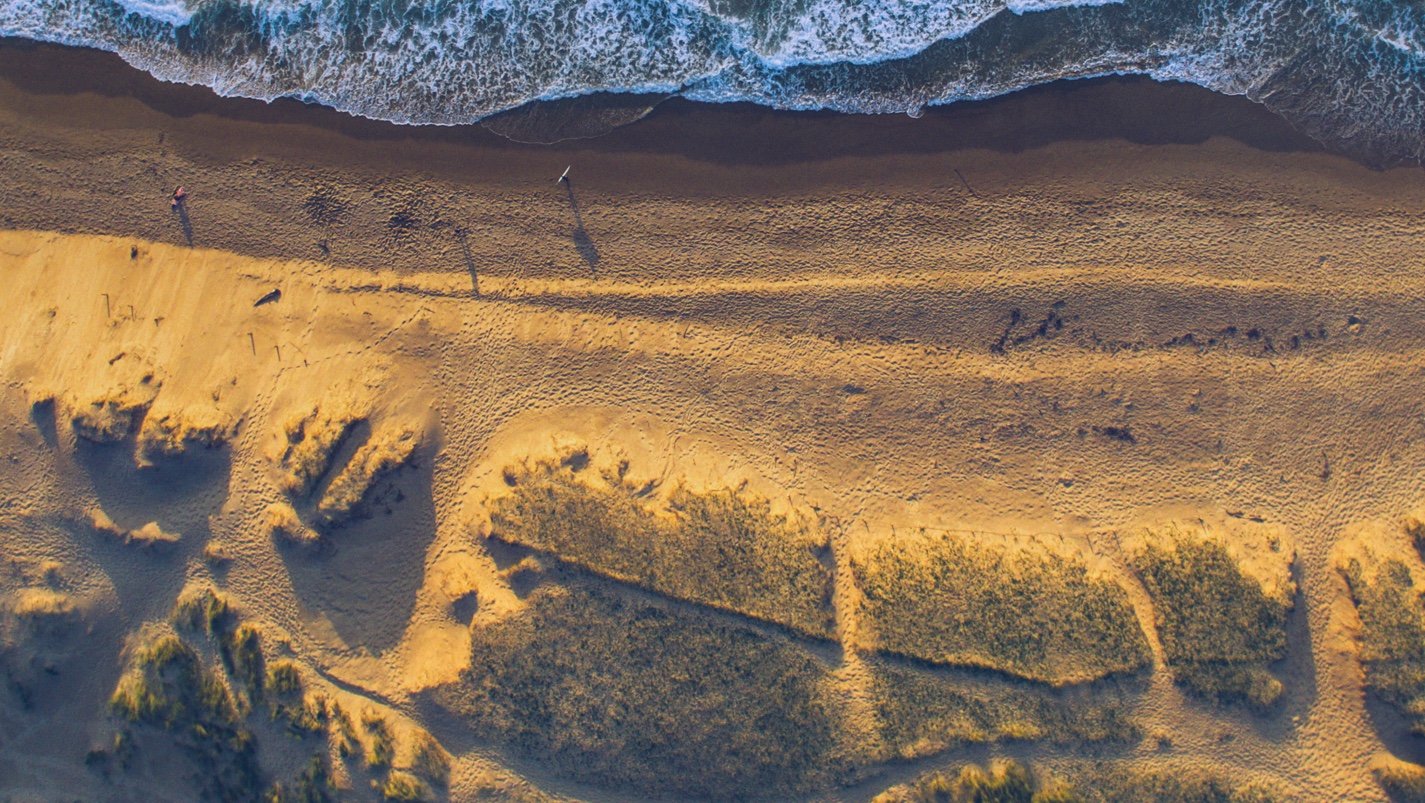
Curiously, the island terrain limits the number of natural beaches to the island of Porto Santo, which has 9 kilometres of fine, golden sand and crystal-clear water. The beach has rightly been considered one of the most beautiful in Europe.
5. Cuisine
Of the typical Madeiran dishes, we can recommend the swordfish, preferably combined with banana, in addition to caldeirada (a fish soup), bife de atum e milho frito (tuna fish with fried corn) and espetada (charcoal-roasted beef on a bay leaf skewer). For dessert, we can heartily recommend a typical sweet known as bolo de mel (a honey cake with Madeira honey).
6. Madeira Wine
Ever since the sugar cane plantations went into decline in the 17th century, having been overtaken by the sugar farming in Brazil, grape-growing and viniculture came into their own and still play an important part in Madeira’s economy. Notable local grape varieties are the Bual – which is similar to Port – Verdelho, Sercial and Malmsey, the most popular of all.
Ready to discover this lost paradise in the middle of the Atlantic Ocean? Check out your Vueling here.
Text by Los Viajes de ISABELYLUIS
Images by David Stanley, Greg_Men, penjelly, Krzysztof Belczyński, Hannes Grobe
more info

Soaking up Spring in Holland
Like clogs, windmills and bicycles, the tulip as a symbol is intimately linked to one’s image of Holland. This bulb, which originated in Anatolia and the Middle East, reached Europe in the 16th century and was met with marked admiration, particularly in the Low Countries. There, just one century later, it sparked a phenomenon that came to be known as “tulip mania”. As a result, the flower became a veritable cult object, fetching exorbitant prices and eventually being listed on the stock exchange. This ended up triggering the first recorded economic bubble in history, on account of the speculation that emerged around this product.
Nowadays, tulips inundate the Dutch countryside each spring, turning it into a genuine explosion of colour. It is well worth a getaway to the Netherlands just to contemplate it. For those eager to savour this priceless flower to the full, we have put together a selection of places you can’t fail to include on your must-see list.
Keukenhof, a Park With Over 7 Million Flower Bulbs
Keukenhof is located in Lisse, between Amsterdam and The Hague, in the heart of what is known as the “Bulb Region”. Here you will encounter an amazing 7 million plus flower bulbs, the sight of which is overpowering. This is a must-visit site for flower lovers and nature devotees in general. But, Keukenhof is not celebrated just for its huge number of flowers, but also for its landscape design, featuring lakes, fountains, walkways and windmills, making up a surprisingly heady ensemble. The only drawback is that this marvellous garden is only open to the public at the time of the tulip blossom; that is, from mid-March to the end of May and, owing to the large crowds that flock here, it is advisable to book well in advance.
En Route Through Bollenstreek, The Bulb Region
The area known as the Bulb Region (Bollenstreek, in Dutch) is another destination you should make a point of visiting in spring. Situated 30 kilometres south-west of Amsterdam, between Haarlem and Leiden, the area is characterised by the presence of clayey earth which, in conjunction with the prevailing maritime climate, makes for perfect tulip-growing conditions, in addition to other bulbs, notably crocuses, daffodils and hyacinths. The time of year to come here is in April, when the tulips reach their maximum splendour. Touring this land by car or bicycle is a veritable delight on the eyes, as you come across field after field of myriad tulips in all shapes and colours – an astonishing sight for any visitor to behold. Organised tours from Amsterdam ply a fairly comprehensive circuit through the towns in Bollenstreek.
Tulip Museum
If you are eager to know the history and all the ins and outs of this popular, highly prized bulb, make a point of visiting Amsterdam’s Tulip Museum before you leave Holland. Located in the Jordaan district, hard by the Anne Frank house museum, it is an essential resource for learning the thrilling history of this priceless flower.
Book your Vueling to Amsterdam and gear up to savour spring in Holland.
Text by Los Viajes de ISABELYLUIS
Photos by Robert Lyle Bolton
more info
Dublin to the Beat of U2
In effect, Dublin is an integral part of U2’s makeup. Just a few months back they released Songs of Innocence, which Bono describes as the most personal album they have ever recorded. This, the thirteenth studio production of the Irish band, is a journey to their beginnings, to their infancy and youth. It is a period of dreams waiting to come true, with The Ramones or The Clash as the soundtrack, and Dublin as the eternal, vital backdrop. Now is undoubtedly the best time ever to visit the Irish capital – even more so if we are grooved by the beat of these innocent songs – and stroll along the streets that have witnessed the evolution of one of the foremost bands in the history of rock.
Mount Temple Comprehensive School
This was where it all started. Larry Mullen Jr. put up a sign on the school noticeboard looking for musicians to form a rock group. The call was heeded by Bono, The Edge and his brother, Dick Evans (who would be replaced soon after by Adam Clayton). Thus was Feedback born, later becoming The Hype and, finally, U2. Malahide Road.
Bonavox
Paul David Hewson did not become Bono until his childhood friend, Derek “Guggi” Rowan, happened to give him that nickname. It comes from Bonavox (or “good voice”), the name of a business dealing in… hearing aids! Whether you are music lovers or merely wish to check your aural capacity, the fact is the shop is still open at 9 North Earl Street.
The Projects Arts Centre
In their early years, U2 used to perform in one of the auditoriums here. And, it was at one of these concerts that they met Paul McGuinness, the group’s manager until 2013 and a crucial figure in the quartet’s career. The Project Arts Centre now operates as an art exhibition gallery, and also hosts some of the city’s major festivals, including the Dublin Writers’ Festival, Dublin Theatre Festival, Dublin Fringe Festival and Dublin Dance Festival. 39 East Essex Street.
Windmill Lane Studios
Understandably also known as the “U2 Studios”, as it was here they recorded their first EP,Three(1979) and the subsequent albums, Boy (1980), October (1981), War (1983), The Unforgettable Fire (1984) and The Joshua Tree (1987). The studios are located at 4 Windmill Lane, a street full of graffiti originally linked to the group; so much so that it is known as the U2 Graffiti Wall. It now features all kinds of street art. 4 Windmill Lane, Dublin 2.
Grand Canal Docks
Dublin’s dockside is one of the city’s enclaves most closely related to U2 iconography. The setting, highly representative of the spirit of Dublin, has been used by the quartet throughout their career as a backdrop for their record covers (October), videos (Gloria) and photographic sessions (like one they had in 2000 with the Dutch photographer, Anton Corbijn. Hanover Quay.
The Clarence Hotel
In 1992, Bono and The Edge purchased The Clarence. Built in 1852, the originally 2-star hotel was revamped under their supervision, becoming one of the city’s most luxurious hotels. And, as the Irish singer asserts, “For The Edge to have somewhere to stay until later”, they turned the basement into The Kitchen, a disco which the leading lights of electronic music have made their port of call. 6-8 Wellington Quay.
Fitzwilliam Place
Bono once forgot Ali’s birthday. His wife was so upset she was on the verge of throwing him out. The singer made his apologies in the form of a song – The Sweetest Thing. Originally released as a B-side on the single, Where the Streets Have No Name, it later became the first single on the compilation album, The Best of 1980-1990. Recorded on 20 September 1998, the video moves along this central street of Dublin. The videos Sometimes You Can’t Make It On Your Own and Pride (In the Name of Love) are also set in Dublin. Fitzwilliam Place.
Hanover Quay
After leaving Windmill Lane Studios, U2 set up their studios in Hanover Quay. Located in the harbour area, the complex comprises two buildings – one acts as a rehearsal space; the other, a recording studio and editing room. It was there that U2 developed their discs, Pop (1997), All That You Can’t Leave Behind (2000), How to Dismantle An Atomic Bomb (2004) and No Line On The Horizon (2009). Interestingly enough, the Kilsaran Concrete cement factory located opposite the studios had a bench installed in their foyer for followers of the group to wait in comfort for their idols to appear. 18 Hanover Quay, Dublin 2.
Finnegan’s of Dalkey
Celebrated for its culinary offerings, Finnegan’s of Dalkey is Bono’s favourite pub. He is so fond of it that, whenever he gets a visit from a celebrity friend (Michelle Obama, Penélope Cruz, Javier Bardem, Salman Rushdie…), he takes them to this typical Irish pub for a pint of Guinness. It was opened by Dan Finnegan, one of whose seven sons, Peter Finnegan, emigrated to Valencia where, in the central Plaza de la Reina, he opened a twin Finnegan’s Of Dublin pub. 2 Sorrento Road.
St. Stephen’s Green
In 2000, Bono and The Edge were awarded the title, “Freeman of the City of Dublin”. Among the privileges that go with this honour, they were authorised to graze sheep on St. Stephen’s Green – no mean feat! The day after receiving the award, the singer and guitarist made an appearance in this popular park in the city centre flanked by two sheep, which they christened “My Little Lamb” and “Michael Jackson”. St. Stephen’s Green.
Wall Of Fame
The Wall Of Fame, a tribute to the leading names in Irish music, stands at 20 Temple Lane Street, one of the liveliest and most crowded streets in Dublin. The wall displays photos of Van Morrison, Sinéad O’Connor, Thin Lizzy, Rory Gallagher, The Undertones, Bob Geldof, Boyzone… However, one shot which stands out above all of them and effectively steals the limelight shows the very young U2 band members on the beach at Sandymount Strand, another of their favourite spots. And, while you’re there, make sure you drop in at the historic Temple Bar with their live music every night and some delicious oysters. 20 Temple Lane South.
The Little Museum Of Dublin
Opposite St. Stephen’s Green and hard by Grafton Street stands The Little Museum Of Dublin, an art gallery which showcases Dublin’s modern history. Prominent among their permanent exhibitions is “U2 Made In Dublin”. Ranging from original posters from their earliest concerts, to a Trabant from the Zoo TV Tour era, this is one of the largest and best collections of objects related to the band, all of them gifted by the quartet’s fans. 15 St Stephen’s Green.
The company, Dublin Differently, offers guided tours of the most celebrated settings in the city, retracing U2’s career, from their studios to The Clarence Hotel. So, make haste! Come and discover a bit more about one of the best rock bands of all time. Check out our flights to Dublin here.
Text by Oriol Rodríguez for ISABELYLUIS Comunicación
Images by Matt McGee, Phil Romans, William Murphy, dronepicr
more info
Magical Routes
The scenery in this land is highly varied, featuring the best of Cantabria, with its rugged coastline and inland landscapes blessed with nature in its pristine state. We are going to concentrate on two routes that traverse the province and boast an extraordinary historical and cultural legacy, studded with a host of priceless Romanesque churches. Both are listed as World Heritage by UNESCO.
The Northern Road to Santiago
Also known as the “Coastal Road” and running for 936 kilometres, in the Middle Ages it acted as a distribution network along the north of the Iberian Peninsula. The coastal road coincides roughly with the current layout of main roads, stretching across the whole region from east to west.
The miraculous discovery in 813 of the tomb of St James sparked the beginning of the pilgrimages to Santiago de Compostela, situated at the western edge of the known world. This centre of pilgrimage gradually grew in importance, vying with others in Rome, Jerusalem and Liébana. The pilgrims took the roads that led westwards which were generally old Roman ways still in use. In addition to the main route, which led across the north of the Meseta, there were alternative routes like the coastal road, part of which ran through Cantabria’s maritime districts. Thus, the road led through Castro Urdiales, Comillas, Laredo, Santander, Santillana del Mar and San Vicente de la Barquera, all of which boast valuable medieval religious buildings, both Romanesque and Gothic.
You are advised to negotiate the route in nine stages:
Stage 1. El Haya de Ontón – Castro Urdiales (21 km)
This is the first stage on the Northern Road through Cantabria. It leads through Baltezana, Otañes, Santullán and Sámano. The route is smooth, with no marked slopes, and has restaurant facilities, rest areas and drinking fountains.
Stage 2. Castro Urdiales – Guriezo (12.9 km)
A short stage. It is worth taking time to visit the Gothic church of Santa María, particularly its interior. You will pass through the villages of Allendelagua, Cérdigo, Islares and Nocina. The standout stretch is the last three kilometres, with stunning views of the Cantabrian Sea.
Stage 3. Guriezo – Laredo (23.1 km)
This takes you through Rioseco, Tresagua, Lugarejos, Iseca Nueva, Sopeña and, on the way to Laredo, through Iseca Vieja, Las Cárcobas and Valverde. The most prominent features include the hillside walk which culminates in your first glimpses of the Liendo Valley, the beautiful scenery around San Julián beach, and the town of Laredo, with memories of its medieval and modern history cast in stone.
Stage 4. Laredo – Güemes (36 km)
The municipalities traversed on this stage are Santoña, Argoños, Helgueras, Noja, Soano, Isla, Bareyo and Güemes. Noteworthy in Laredo is its 16th-century Town Hall. This is followed by a stroll along the beaches of Salvé, which stretches for over 4 kilometres, and Berria. When you come to Bareyo, make sure you visit its church, a gem of the Cantabrian Romanesque.
Stage 5. Güemes – Santander (18 km)
A short stage which allows you to explore the capital of Cantabria more fully. The places you pass through are Galizano, Somo, Pedreña and Santander. In the capital, the acclaimed landmarks include the historic centre and the Reina Victoria promenade. Don’t miss out on the Jardines de Pereda and the Cathedral, set behind the post office, in addition to the Iglesia del Cristo, where you can get your pilgrim credentials, both for the Road to Santiago and the Lebaniego Road.
Stage 6. Santander – Santillana del Mar (40 km)
Peñacastillo, Santa Cruz de Bezana, Puente Arce, Requejada, Barreda and Queveda are the population centres you traverse on this stage. From a cultural standpoint, the most striking landmarks are the 16th-century Arce bridge and the town of Santillana del Mar, a medieval museum in itself.
Stage 7. Santillana del Mar – Comillas (24.6 km)
This is a beautiful stage which, like the previous one, can be broken into two parts. One as far as Cóbreces and the other up to Comillas. Both are worthy of stopovers as they boast historical complexes. And, make sure you don’t miss the villa of the Marqueses de Comillas with its Catalan Modernist features.
Stage 8. Comillas – San Vicente de la Barquera (12.5 km)
The highlights of this stage are undoubtedly the above two towns, and the scenery along the Cantabrian seaboard which connects them. The route takes you through Rubárcena, La Rabia, Guerra, Rupuente and La Braña. Keep your camera or mobile handy as you’ll be passing through the Oyambre Nature Reserve and some idyllic beaches.
Stage 9. San Vicente de la Barquera – Unquera (16.4 km)
Everywhere you look around you reveals stunning scenery. Behind you lies the town of San Vicente and, to the front, the spectacular Picos de Europa mountain range. This stage takes you through La Acebosa, Hortigal, Estrada, Serdio and Pesués. While you’re at it, between San Vicente de la Barquera and Unquera you can take a detour at Muñorrodero if you also want to do the Lebaniego Road.
The Lebaniego Road
This is one of the most important and beautiful pilgrim routes. In fact, 2017 will be a Jubilee Year in Liébana. The Lebaniego Road runs from San Vicente de la Barquera to the Monastery of Santo Toribio, passing through the municipalities of Val de San Vicente, Herrerías, Lamasón, Peñarrubia, Cillorigo, Potes and Camaleño. The route traverses some beautiful natural spots and boasts fine examples of Cantabria’s architectural heritage. It also provides access to the Northern Road (or Coastal Road), the French Road and the Road to Santiago from the routes in León and Palencia, pointing to the historic ties between the diocese of Liébana and the kingdoms of León and Castile. Many pilgrims make the journey to Santo Toribio and then connect up with the two roads to Santiago for the purpose of attaining both credentials. It is advisable to negotiate this route in three stages:
1st Stage. San Vicente – Cades (28 km):
San Vicente de la Barquera is one of the major and most touristic towns in Cantabria. Although outside the scope of the pilgrim’s route, it also features interesting sites like the 13th-century Castillo del Rey, the 15th-century Convent of San Luis, where Charles V lodged before being proclaimed king in 1517, the bridge known as Puente de la Maza and the Sanctuary of La Barquera, both dating from the 15th century. From there you set out to Serdio, and on to the mountain trail that leads to Muñorrodero. The trail ends in Camijanes. You then pass through Cabanzón with its Medieval Tower and, finally, you come to Cades.
2nd Stage. Cades – Cabañes (30.53 km):
From Cades, you head for La Fuente. There you can visit the Church of Santa Juliana, one of the jewels of Romanesque art in Cantabria, listed as a Cultural Interest Site. After reaching Cicera, the road leads to Lebeña, passing through an oak and beech forest with millennial specimens, as well as field mushrooms of all kinds in season. The route ends in Cabañes after negotiating a slope.
3rd Stage. Cabañes – Santo Toribio (13.7 km):
The first stop is in Pendes, which you cannot leave without trying Liébana’s typicalquesucocheese. From there, the road leads to Tama, and then on to Potes, with its impressive Torre del Infantado, the town’s most emblematic landmark and one of the finest in Cantabria. It makes a priceless picture with the Picos de Europa in the background. Finally, you come to the Monastery of Santo Toribio, where the Lignun Crucis is venerated. The classical Gothic and Baroque monastery was built from the 13th to the 18th century. It features the 15th-century Gate of Pardon which is opened every Lebaniego Jubilee Year; that is, every time 16 April falls on a Sunday, the feast of the monk St Toribio, a historic figure acclaimed for having brought the Lignum Crucis to Liébana. This is regarded as the largest relic of Christ’s Cross.
Full information on the Road can be found here. In addition to the information, news and routes, there is a link to a map of the Road.
Millennary Yet Modern Road
The Lebaniego Road was the first pilgrim’s route to have a wi-fi internet connection, thanks to the project, Camino Lebaniego en Red. The connection is achieved via a system of waymarkers that provide a signal throughout the route. The technology enables travellers to interact with one another, access information and share their experience with other pilgrims. It is also accessible to people with disabilities and is generally designed as a comprehensive system for those covering the 72 kilometres of road. More information here.
So, take up your backpack and don your sturdy footwear for the journey. Live out the experience of the Road for yourself. Check out our flights here.
Text and images by Turismo de Cantabria
more info