
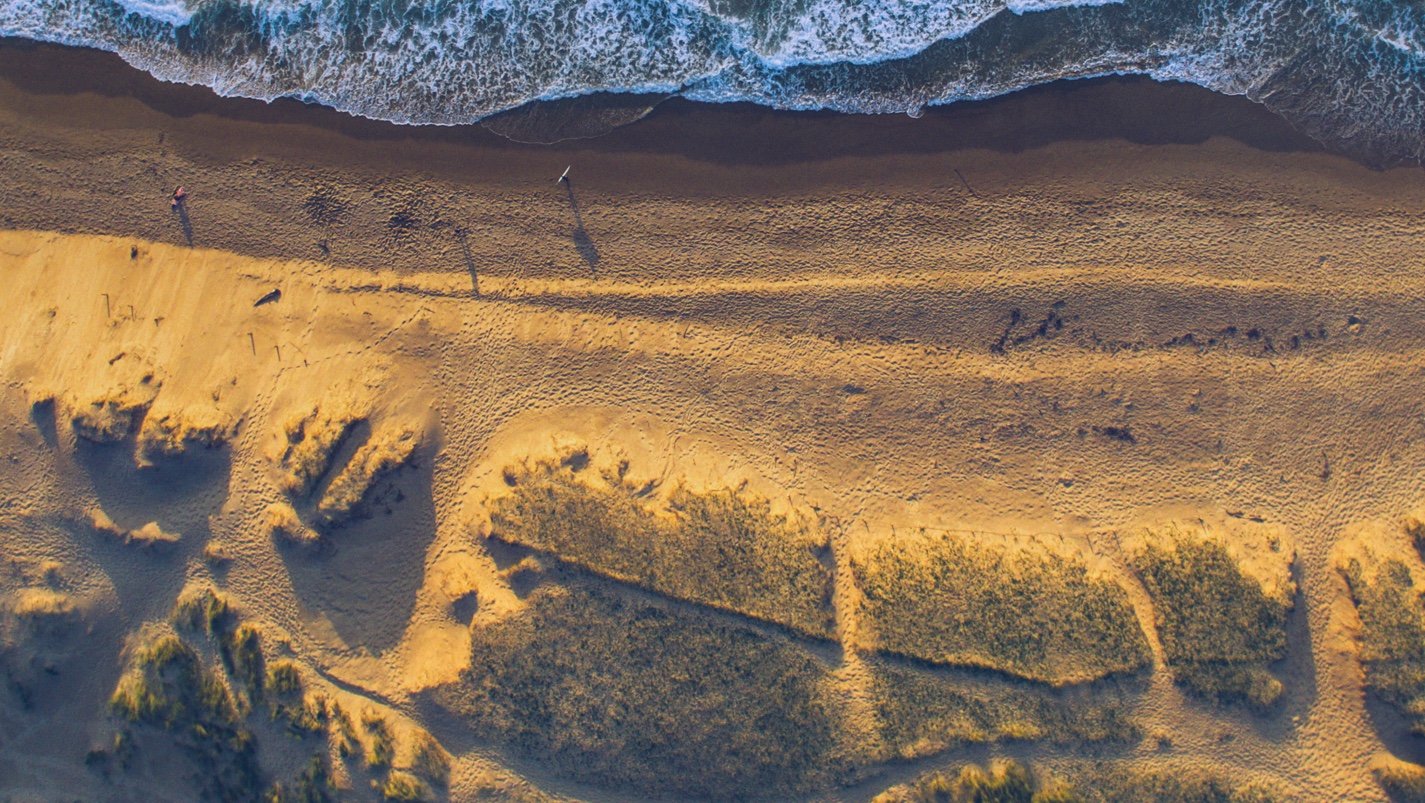

Catching the Best Waves in Portugal
A land fringed with some 1,800 kilometres of coastline opening onto the wild Atlantic, where winds and currents drive the build-up of waves, is bound to be the perfect destination for surfers. We now reveal the reasons why Portugal exerts such a pull on surfers and pinpoint some of the best beaches for doing this thrilling sport.
Why Surfing in Portugal Rocks
Waves of all sizes and for all tastes. The long Portuguese coastline has ample room for everyone wanting to surf, be they beginners or those who have had loads of waves behind them; that is, under their surfboard.
The good climate. In Portugal, the weather is usually good most of the year around, except in winter, when temperatures go down. The rest of the year is conducive to having a good dip with your surfboard in tow.
The food is fantastic. After a hard day’s riding waves, regaining your strength by downing some great sardinhas asadas (grilled sardines) or savouring an exquisite dish of bacalhau à brás codfish is a delight on the palate.
Affordable prices. In Portugal it is comparatively easy to find quality food and accommodation at more than reasonable prices. What more could you ask for?
The Best Beaches for Catching Waves
Portugal boasts a vast array of surfing beaches, but here are the most outstanding ones:
Ericeira
Apart from being a charming fishing village, Ericeira, situated 30 kilometres north of Lisbon, is one of the favourite destinations for surfers heading for Portugal. It has the distinction of being Europe’s first listed World Surfing Reserve on account of the quality of its waves, the great number of surfing spots and its environment. One of the most prominent spots is the area of Coxos, a small cove with waves of up to 5 metres high, suitable only for daredevils. Another of the noteworthy enclaves is around Ribeira d’Ilhas, ideal for all kinds of surfers and well-known for its beach bars, where people congregate to refuel and socialise. Any time of year is suitable for surfing on these beaches.
Peniche
Situated in the central area of Portugal’s coastline, Peniche offers what is probably the best set of surfing beaches in the country and draws enthusiasts from all over Europe. One of the best beaches is Supertubos – known among surfers as “Eurotube” – with powerful waves that will meet all surfing aficionados’ expectations. Its reputation has earned it the honour of hosting the world surfing championship once a year. Apart from surfing, its beaches are also ideal for bodyboarding and diving.
Nazaré – Praia do Norte
Like Peniche, it is situated in the central stretch of the country’s seaboard. The American, Garrett McNamara, has the honour of having surfed the biggest wave this year, an amazing 20-metre-high wave on the Praia do Norte. Indeed, herein lies the particularity of this spot on the coastline, where waves can often get to 10 metres, which is therefore a major draw for the big riders. The best time of year for viewing and experiencing this marvel of nature is in winter.
Arrifana
Situated on the Costa Vicentina in the northern Algarve, Arrifana is another of those destinations surfers should be considering. The beach is flanked at both ends by cliffs, accessed by a steep stairway. Apart from being a surfing spot, visitors to this area can also enjoy nature in the magnificent South-west Alentejo and Vicentine Coast Natural Park. The best time for surfing here is in early spring, as in summer it tends to get overcrowded.
Sagres
Also located in the Algarve, Sagres has become a veritable surfing hub. It is the ideal spot for signing up for a Surf & Yoga course at the Freeride Surf Camp, where surfing goes hand in hand with meditation, and for going on a boat ride, ideal for enthusiasts of whale- and dolphin-watching.
Book your Vueling, bring your board along and let yourself get carried away by the waves of Portugal.
Text by Los Viajes de ISABELYLUIS
Images by SayLuiiiis, Hendrik Dacquin, Hugo Silva
more info
Asturias – Your Ski Destination This Season
Two ski stations – Fuentes de Invierno and Valgrande-Pajares – promise exciting days of skiing, as well as good food in a cosy, family environment. They are ideal for families, and for those who want to get away from it all, eager to seek out tranquil, more relaxing destinations.
Fuentes de Invierno – The Last Glacier in the Cordillera
Located in the municipality of Aller, Fuentes de Invierno boasts the most up-to-date ski lifts of all stations in the Cordillera Cantábrica. It is the ideal resort for enjoying the white sport in tip-top conditions. The rugged mountain terrain, combined with small clusters of forest and cabins dotted across the lower reaches of the resort, make this diminutive skiable tract (8.7 km) one of the most picturesque spots in the Principality of Asturias.
The beginner slopes, halfway up the resort (1,650 m), and the areas of La Llomba and Entresierras for the more seasoned enthusiasts, will appeal to all skiers, whatever their level. At the end of the day, make sure you stop off at one of the villages near the resort, such as Felechosa or El Pino, where a large number of restaurants offer the finest Asturian cuisine (pote, fabada, picadillo, carnes roxas), as well as succulent dishes typical of Aller. You are certain to find game on the menu – plentiful in this part of the Montaña Central – in addition to such confectionery delicacies as cuayá or panchón.
Valgrande-Pajares, the Oldest of the Cantabrian Resorts
Inaugurated in 1954, the Lena resort of Valgrande-Pajares has had skiers on its pistes for over 60 years. It is considered one of the benchmark ski stations in the Cordillera Cantábrica. With a skiable tract of 21.5 km, it is strategically located at just over half an hour from several major cities (Oviedo, Gijón and León), and is equipped with snowmaking systems to guarantee hassle-free skiing throughout the season. The ski lifts that connect the whole resort start out from the base station (1,350 m), where all the main facilities are located.
At its highest point (1,870 m), towered over by the Cuitu Nigru,Cellón and Tres Marías peaks, you can see out across the landscape of the Cordillera Cantábrica range, and even catch a glimpse of the sea on clear days. Depending on your level of expertise, from this point you can access the beginner’s area, traverse the main axis of the resort – the Valle del Sol – or get to the crown jewel – El Tubo – the only officially sanctioned competition piste in Asturias.
Whether you’re reluctant to try out skiing, or have skied your heart out and need to regain your strength, make sure you head for the Cuitu Negro café and indulge in a veritable culinary tribute. Their tripe and the meat stew are some of the hallmarks of the house.
The ski resort’s ease of access and its accommodation capacity of 150 at the foot of the ski slopes make Pajares the perfect destination for those eager to do sport as well as spend time visiting the main cities and towns in the vicinity to enjoy other activities – cultural tours, shopping, cinema, concerts, theatre…
In short, both Valgrande-Pajares and Fuentes de Invierno are ski resorts with charm. Their friendly service and family atmosphere are paramount, and you can enjoy skiing starting at €24 – peerless prices for a winter getaway.
Here, then, is our advice, if you are undecided about where to head this winter. Check out our flights here.
Text and images by Turismo Asturias
more info
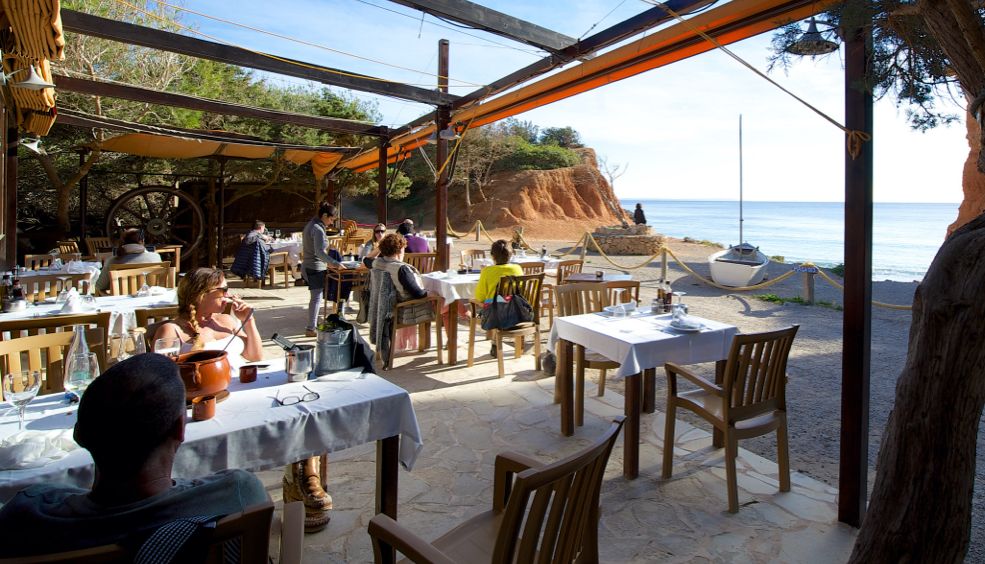
THE BALEARICS, AN IDEAL DESTINATION FOR GASTRONOMY TOURISM
With an enormous quantity of products and dishes, plus lots of differents markets and fairs, the Balearics are a perfect destination for lovers of gastronomy tourism, and not just in summer.
more info
Discover Easter traditions in Europe
Although Easter is celebrated in many countries, each place has its own way of doing it. Here are some of the most curious Easter traditions in Europe!
more info