

Lyon Sparkles In Light
What started out as a religious festival in honour of the Virgin Mary has become one of Lyon’s – and, by extension, France’s – standout cultural events. Worship of Mary the mother of Jesus in the capital of the Auvergne-Rhône-Alpes region goes back a long way, its origins steeped in the Middle Ages. During the plague which ravaged France in 1643, for instance, the city was placed under her protection.
To uncover the roots of the Fête des Lumières (Festival of Lights), you have to go back in time to 8 December 1852, the date on which a statue of the Virgin was unveiled. Executed by the sculptor, Joseph-Hugues Fabisch, it was placed in the Chapel of Notre-Dame-de-Fourvière. The event was widely celebrated in the city and, in keeping with the traditional way of marking important commemorations in those times, the facades of well-to-do homes were lit up with candlelight. What might have been just an isolated event in Lyon’s history was later reenacted each year on 8 December, when the nativity of the Virgin is celebrated, gradually becoming the festival of lights which we know today. Over time, the religious nature of the festivity has been replaced by one more akin to cultural entertainment, while the candles have been replaced by grand spectacles of light designed by renowned artists, and the celebration itself has been extended from one to four days.
The festival has grown so popular over the years that it now attracts up to 4 million visitors who flock to Lyon, eager to witness for themselves the huge, charming and magical display of light. This can be daunting for newcomers arriving in the city to discover and enjoy the Fête des Lumières. We advise you to book your accommodation in advance and to be patient when attending the various light shows, as you are bound to encounter large crowds. What we can guarantee, however, is that you will be amazed by the earnestness with which the Lyonnais celebrate this festivity, and by the sheer number and quality of the visual displays, most of which are held in the old town and around Lyon’s major landmarks.
What’s More…
Apart from visiting Lyon for its Festival of Lights, which this year runs from 8 to 11 December, we recommend you take the opportunity to discover some of the city’s other charms, too. Be sure to visit its historic centre or Vieux Lyon, designated a World Heritage Site by UNESCO in 1998, where you can breathe the medieval atmosphere, visit Roman ruins – most notably the Roman Theatre of Fourvière – and do a spot of shopping at the Carré d’Or. Cuisine is another of the city’s fortes, and has earned it international accolades. Indeed the city features such standout chefs as Paul Bocuse and Eugénie Brazier. So, make a point of dropping in on at least one of the countless bouchons, as restaurants are known in Lyonnais parlance, and treat yourself to their excellent local cuisine.
Come and experience first-hand this stunning festival of lights – book your Vueling here.
Text by Los Viajes de ISABELYLUIS
Images by Fulvio Spada
more info

Oktoberfest
Munich Oktoberfest, the world's biggest beer festival, attracts every year to the Bavaria capital around seven million people. Here everything is celebrated on a large scale: millions of roast chicken are prepared to go with the huge number of beer being served.
With more than 200 years of history, Oktoberfest is an acclaimed tradition that has imitations all over the world, but if you want to live it's genuine spirit, you'll have to go to Munich from the 20st of September to the 65h of October 2014. Traditionally, celebrations start the first saturday before 15th of September, when Munich's mayor opens the festival fisrt barrel shouting "O’zapft is!" which means, "it's already open".
2014 programme highlights
Saturday 20 September Procession of brewers and their families to the Oktoberfest and official opening by the mayor of Munich.
Sunday 21 September. Traditional parade with colorful Bavarian costumes.
Tuesday 23 September Family day with reduced prices for children and parents.
Sunday 28 September Half time at the Oktoberfest.
Sunday 28 September Concert by Wiesn bands on the Bavaria statue steps Sunday 5 October at 12 noon Traditional gun salute on the Bavaria statue steps.
Photo: Oktoberfest by Dilankf
We’ll be there. If you want to come too, check out our flights here.

La Zurriola Beach
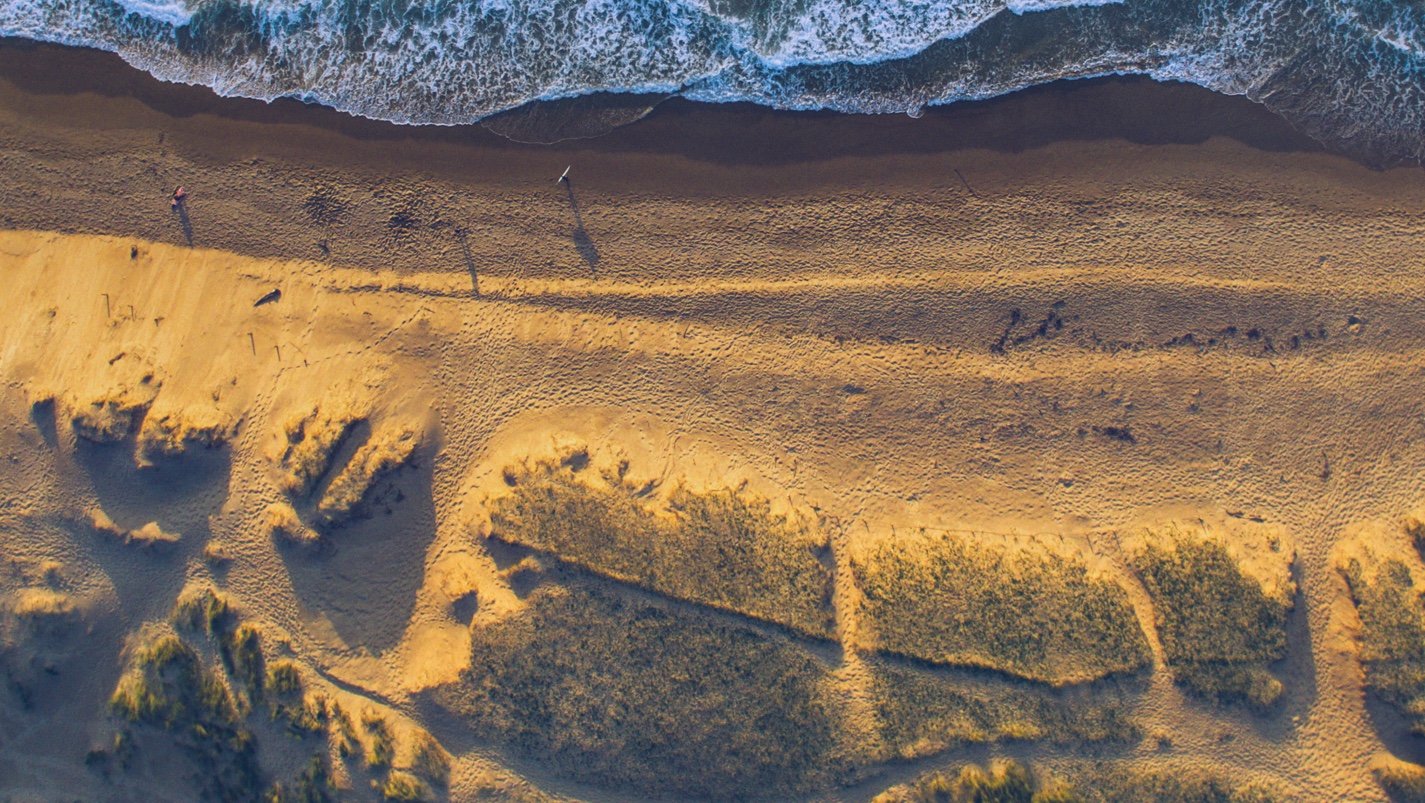
Donostia is a fascinating city, with its unique gastronomy and outstanding beauty. But its privileged location on the Cantabrian coast has also turned it into the habitual destination for all lovers of surfing looking to take advantage of the best waves without having to leave the whirl of the big city.
While the La Concha beach is one of the more glamorous and traditional images of San Sebastián (its shell is replicated in the awards that are presented at the annual film festival), the La Zurriola beach has set itself up as one of the great paradises for surfers that live in the capital of Guipuzcoa. Flanked by the delightful Kursaal building and by the esplanade of the Gros district, this 800 metre long beach has also been the setting for some of the concerts of the San Sebastián Jazz Festival and the huge events taking place during the Semana Grande, in addition to surf and skate competitions and other events.
Por David Moreu
So how about it? Come on, let’s go! Check out our prices here!
more info

Vappu
By Marc and Jordi from www.barcelonahelsinki.blogspot.com
Vappu is a traditional festival held on 1 May in Finland – and it’s a day of celebration! It’s also the time when the people of Finland leave the long and harsh winter behind and enthusiastically welcome spring, longer hours of daylight, and their beloved green fields and forests.
But the festival is much more than just that day – it starts the day before, on 30 April. Traditionally, students always take part in this spring festival too by turning it into a very popular carnival (kevään karnevaali, or spring carnival). A usually calm and reserved country fills with people dressing up as different creatures, with drinks in their hands, sharing them with everyone. And the party lasts until the early hours of the morning!
One of the main events, and one of the most crowded and important, takes place on 30 April, around 6 pm, round the statue of Havis Amanda (which symbolises the city of Helsinki emerging from the sea), situated at the entrance to the Esplanadi park and Kauppatori (market square), in the port, in front of the City Hall. A large crowd of students wearing overalls of different colours, representing those of their faculties, wash Havis Amanda and place a large cap on her head.
The cap is the same one that all the students, ylioppislakki, wear when they graduate. They must keep it safe always, because they only get one. Some people even say that it must never be washed. Vappu is one of the times when people of all ages wear their graduation caps.
Vappu is, therefore, a national holiday, when people take to the streets all over the country, where there is music, demonstrations, different celebrations, etc. On 1 May in Helsinki, family and friends get together to have picnics and brunch all over the city, but especially in the Ullanlinnanmäki and Kaivopuisto parks, in the southern part of the city, next to the Baltic Sea.
The typical specialities of Vappu are tippaleipä, a kind of fritter, served with a type of mead, sima. Another tasty speciality is munkki, a kind of doughnut.
Perfect plan to go with friends! Check our flights and sign up!
By Marc and Jordi from www.barcelonahelsinki.blogspot.com
more info