
A 30.000 pies por viajeros para viajeros

Results

Poblenou from Industrial District to Creative Quarter

Welcome to Poblenou, Barcelona’s most vibrant creative district! A time-honoured district, removed from the city centre but near the seaside, where the working-class character mingles with cutting-edge trends. An area in constant transformation, from its industrial past to its cosmopolitan present, where Barcelona’s modernity and tradition fit perfectly together.

Its cityscape continually mutating, with avant-garde projects mushrooming on every corner, Poblenou is living out its finest moment. We tour the area to learn its secrets – let’s get going!

Plaça de les Glòries, Kilometre 0

Forget the Plaça Catalunya, the Ramblas and even Passeig de Gràcia. When Ildefons Cerdà devised his master layout for modern Barcelona in the 19th century, he staked out “les Glòries” as his geometric centre. That is where Els Encants Vells has relocated. With a history of over seven centuries, it is one of Europe’s oldest flea markets, where customers can still haggle! A stone’s throw from there stands “La Grapadora” (the Stapler), a grey-skinned building which houses the Disseny Hub, a must-visit shrine for all lovers of fine design.

The phallus, the suppository, the torpedo… there are no end of nicknames for the Torre Agbar. Indeed, this skyscraper, designed by Jean Nouvel, is an endless source of comments. Nouvel claims his forms pay tribute to the Sagrada Familia and the mountains of Montserrat. While we don’t know to what extent that is true, the fact is that ever since its construction, Barcelona’s skyline has become a tad more “masculine”.

Art, Design, Music and Much More

We had breakfast at Espai Joliu, a concept store where plants and a love of good coffee reign supreme. Here they serve up Nømad Coffee, roasted a few steps away and sold at Røaster’s Home. Next door, the premises of a former print shop operate as an art gallery. This is La Plataforma, a venue where art offerings are paired to all kinds of culinary experiences.

Shopping addicts can buy Scandinavian furniture at Noak Room, revamp their wardrobe with colourful prints from Brava Fabrics and augment their collection with vinyls from Ultra-local Records, a meeting point for local music lovers specialising in independent labels.

If you happen to be a culture vulture, Sala Beckett offers the latest in contemporary theatre in a top-drawer modernist setting. More urbane are the offerings at La Escocesa, an erstwhile factory now hosting art ateliers. Each year they hold the festival of murals, when their centuries-old walls become plastered with graffiti. The most innovative trends feature at Hangar, an avant-garde visual arts centre housed in one of the most renowned former industrial complexes in the city.

Needless to say, we wind up the day in Razzmatazz, a veritable clubbing institution where all young Barceloners worth their salt have spent at least one night on their legendary dance floors. Be it indie, electronic or live performances, good music never stops playing at Razzmatazz.

And, with the beat still resounding in our head, we leave the industrial Poblenou and head for the hub of district life here, the Rambla del Poblenou!

The Rambla del Poblenou

In this, the undisputed nerve centre of the district, the laid back rhythm and the sight of people chatting in the sun are the giveaways that this was and still is a village. At weekends, it gets crowded out by groups of friends having a beer on the bar terraces, while during the fiesta mayor in September its streets are taken over by community suppers, parading street bands and nocturnal revelry. This is also the area with the highest concentration of iconic hangouts, where we stopped to recharge our batteries.

Our first stop is a classic among classics – Can Recasens, a delicatessen founded in 1906 which by night becomes a restaurant serving Catalan cuisine. Their assortments of cheeses, cold meats and wines is amazing and you can also buy the products you have tasted during the dinner.

No less popular is the Orxateria El Tio Che, the palace of tigernuts. These purveyors of tigernut milk prepare a 100% craft product based on a recipe which has not changed for 5 generations. Summer sees endless queues of people lining up to seek relief from the heat in this natural refreshment.

And, from the sweetest corner to the corner with the longest history. Across the road stands the Casino l’Aliança del Poblenou, a meeting place which transports the visitor to the times of the Athenian working classes and the struggle for freedom of assembly. If you happen to be passing by, be sure to go inside – its walls breathe a part of Barcelona’s recent history.

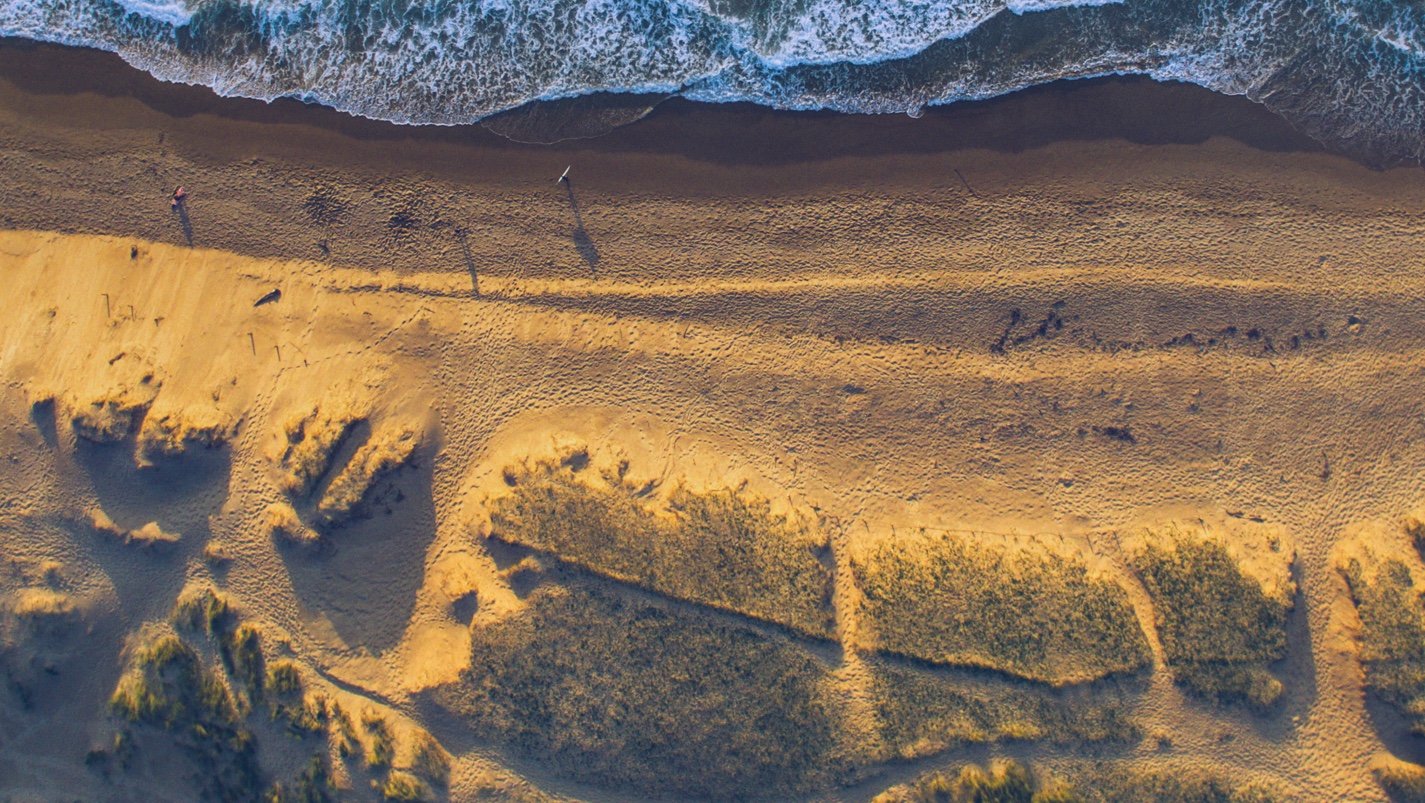
Those wishing to wade into the sea up to their calves should press on down the Rambla. A few minutes ahead you come to the beaches of Bogatell and Mar Bella, the least crowded in the city. In summer, the sand is peppered with beach bars and runners trot along the water’s edge to the rhythm of the sea breeze.

Maritime Poblenou

We return to terra firma in the direction of the Plaça Prim, the site of fishermen’s cottages in the 19th and 20th century. The square has withstood the test of time and is home to Els Pescadors, a former fishermen’s tavern and one of the most long-standing fish restaurants in town. Here, the speciality is fresh fish and seafood sourced daily at the neighbouring fish auctions.

Nearby streets are seemly frozen in time, swathed in a tranquility typical of coastal villages. However, the hush is in stark contrast to the hubbub of Calle Marià Aguiló, the emblematic shopping precinct where you will come across La Pubilla del Taulat, a wine cellar which opened in 1886 (the oldest in Poblenou) and where you can have wine and tapas any hour of the day.

No less legendary is the bar, El Timbal. Located alongside the former textile mill named Can Felipa, their patatas bravas (spicy sautéed potatoes) are acclaimed throughout the city. They are baked in their jackets and topped with a finger-licking all-i-oli (oil and garlic sauce). You can accompany them with reasonably priced homemade dishes while you have a few beers on their crowded terrace.


From Palo Alto to the Fórum – Industrial Past, Creative Present

A red-brick chimney welcomes us to Palo Alto. This former textile mill is a one-of-a-kind urban island. Remodelled as a creative hub, its former industrial bays have been infused with new trends by a host of resident designers, architects and artists. Stroll through their jungle garden and try the menu at La Cantina, a restaurant offering traditional cuisine which serves a delicious paella on Fridays. Palo Alto is also the site of the crowded Palo Alto Market, a monthly gathering of the city’s “beautiful people” who come to discover the latest trends set by local designers.

And, when you feel low on energy, be sure to seek food and shelter at Bar Tras Paso, a colourful, bohemian eatery with French culinary flavours where you can end the evening with a duck magret and chat into the wee hours, glass of wine in hand.

But, if you still have the strength, you can go up the Torre de les Aigües del Besòs, witness to the area’s industrial past and the spot where the 90s British band Blur recorded their music video, On Your Own. The 60-metre-high water tower has an observation platform with stunning views of the city.

And, from the heights, with the sea a stone’s throw away, and with the Diagonal Mar skyscrapers, Mt Tibidabo, Montjuïc and the esplanade of the Fórum in the background, we take our leave. We have reached the city limits and now it’s time to change course.

Book your flight to Barcelona – you’ve got daily Vuelings here!

Text by Núria Gurina 

Photos: Matt Cornish, filippsh, Adrià Goula, Joanbrebo, Espai Joliu, Santmarti.info, Selbymay/Wikicommons, Mathieu Thouvenin


more info

Ten Places to Eat and Drink in Moscow

The food thing in Moscow is rather odd – with exceptions, it’s usually simpler and better quality in economical eateries than in pretentious upmarket restaurants. Why should that be? We could go off on a historical, aesthetic, cultural, existential rant that would lead us back to Lenin’s czars, via the Cold War, and end up reflecting on certain post-Perestroika aesthetic criteria affecting much of Russia’s ruling classes, Yeltsin’s new rich now happily ensconced in capitalism. That aversion to minimalism; that Russianhorror vacuiexuded largely by the prevailing fashion, architecture and – of course – gastronomy.

Hence, by adopting the mantra that less is more – an idea many Russians eschew – you will win the gastronomic battle in a city as fascinating as it is hostile, but overwhelmingly beautiful, so different from what we pictured in our mind’s-eye. A city in which you need to have all your wits about you, the impelling need to come to grips with everything which is the driving force behind any journey. And, remain impervious to the odd diatribe hurled at you by Russians of any age and condition, who vent all their pent-up energy just to make it quite clear from the word go that they detest you and everything you stand for.

And, once you have experienced the cold and have been shouted at in Russian; once you have strolled along those huge avenues designed for tanks rather than people, and discovered, to your dismay, that in many respects Moscow is more like London than Moscow, then you will realise you have gained greater insight into the 20th century. And, that nobody who has not borne the brunt of being yelled at forcefully in Russian at least once in their life is in a position to voice an opinion about last century, or about its legacy, its influence on us and, in short, about who we are.

However, as we dedicated long, endless hours of strolling about to existential reflection, we also ate. At times, amazingly poor food, in mainly pseudo-modern restaurants. At others, very tasty food, in those places we are interested in here – notably more modest restaurants. Here, then, is the selection of our ten favourite restaurants in Moscow:

1. Caffe del Parco (Via di Camaldoli, 7)

Take note, hipsters. This will be your favourite restaurant in Moscow, located in what is surely about to become your landmark district in the city – Red October – alongside the river, by way of a Russian version of Williamsburg-Malasaña-Shoreditch still in the making, and that is the best part about it. There aren’t many establishments there yet, although there is the odd interesting store, a bookshop and a good number of restaurants with recycled furniture, bars, DJs and nightlife. Caffe del Parco, recently opened by a Sicilian who settled in Moscow some years ago, is a charming, minimalist café-restaurant where they have recovered the nonna’s recipes and where we were lucky enough to taste one of the best risottos ever. Just another of the thousands of paradoxes Moscow metes out to the visitor.

2. Cafe Mart

Pressing on with our modern streak, this cafe, one of two branches of the Moscow Modern Art Museum, is located in a delightful garden adorned with statues by the Georgian artist, Tsereteli, and packed with families dedicated to the noble art of brunch, with a host of children scuttling about the dining-room or participating in one of the workshops held inside. Delicious coffee, pastries, sandwiches and the odd dish on the simple, unpretentious menu featuring a combination of French cuisine with Georgian specialities in a setting that could well be somewhere in Berlin or Amsterdam.

3. Harat’s Pub

This small, cosy Irish pub on Arbat street, a broad pedestrian avenue that acts as the nerve centre of the city’s shopping and leisure milieu, happens to be one of the few options for having a drink. It is an unusual spot, run by a friendly Muscovite and former resident of Andalusia who loves Latin culture to the extent that he cares less about heading an Irish pub and is unfazed by its siting in one of Moscow’s mainstream precincts where one would expect to find some Russification, rather than forays into the cosmopolitan. He and his rock clientele seem to be enthusiasts of the Spanish beat, so that when you step inside you are hit by a full-blown “Lega-lega-li-za-ción” seemingly blaring out from some boomboxes. Indeed, the crowd here are fans of Spain, Ska-P, imported birras and Ireland in all their magnitude, and this strange yet endearing mix makes for one of Moscow’s most entertaining bars.

4.  Varenichnaya N.1 (Arbat, 29)

This is our favourite restaurant in the city, an unpretentious, pleasant, centrally located and economical eatery also on Arbat street which offers traditional Russian cuisine in the form of such dishes as vareniki (a pasta pie with various fillings, topped with a delicious sauce), pelmini (a similar dish of Ukrainian origin) and chebureki (traditional meat-filled pasties). They also have a selection of traditional pancakes, cocktails with or without alcohol, coffee and homemade pastries. All set in large, crowded but very cosy premises with motley adornments revealing extraordinary good taste juxtaposed with others striking one as just the opposite. This matters not the least when you sink your teeth into one of the economically priced delicacies served by charming staff who, surprisingly, are able to communicate in English.

5. Varvary

A rundown of gastronomy in Moscow is not complete without mention of Anatoly Komm, the country’s first chef to earn a Michelin star, who has an avant-garde restaurant offering haute cuisine known as Varvary. If you can afford it, it is worth booking a table in the dining-room run by this eccentric and unclassifiable chef who applies the latest cutting-edge techniques to a base of traditional Russian cooking (soups, smoked food). Komm regrets the terrible autarky Russia is going through and the indigenous people’s reluctance to open up to influences from neighbouring Europe, and he must know what he’s talking about. This is not the case with his luxury Muscovite restaurant, which offers molecular cuisine for customers with informed tastes, worlds apart from those “new rich”, as Kromm puts it, practically uneducated and with rather pompous tastes. The dishes crafted by this sensitive, art-loving man are noteworthy for their spectacular aesthetic, among other things.

6. Monsieur Croissant (Baumanskaya, 42)

You need to move away from the centre and approach the area of Baumanskaya, which we strongly urge you to do if you want to discover the real Moscow, which is much warmer and welcoming, far from the inclemencies of a centre as hostile as it is spectacular. And, if you decide to confront the beautiful although complicated Moscow metro system, this small restaurant is a great choice, whether you want to breakfast on one of its buns or pastries or have a simple but well prepared lunch, such as pasta with vegetables or the soup of the day. Nearby is a Hotel Mercure, where we happen to be staying, at a laughable price compared to downtown rates and just two metro stops from Red Square.

7. Tamerlan

This mega-restaurant with its mock luxury comes with a clientele dressed as if they’re were all attending a wedding downing vodkas like they were water. This Asian restaurant is a good option if you’re feeling like some glamour, as the Eurasian cuisine is outstanding, the price, reasonable and the decor, striking and attractive.

8. Chemodan (Gogolevskiy Blvd., 25/1)

It would be unforgivable to leave Moscow without having dined at least once in Chemodan, a delightful, absolutely unclassifiable restaurant that breaks the mould of what one would imagine contemporary Moscow to be like. Chemodan is located in the vicinity of Arbat and has an ambience (with its grand lamps, wallpaper, carpets and paintings hung on the walls) more reminiscent of a bar of intellectuals in the Paris of the twenties than what you would expect in Putin’s Russia. As you open the door and are met by a charming little old man, with the sound of Bésame mucho in the background, you know you’ve come to the right place. There, you give yourself over to cuisine with Russian roots, selecting from a well-worked menu featuring pampered, sensitively crafted dishes from all over the country.

9. Café Pushkin

Only if you have around €300 in your pocket should you venture into Café Pushkin, a legendary locale which is worth mentioning for figuring in all possible world rankings for both the best restaurants and the most beautiful ones. Don, therefore, your best attire and take your place like some Cinderella in this majestic environment lined with fine woods and where even the most secluded corner is lavished with tasteful luxury. Prepare to savour Russian cuisine with French touches – or, might that be the other way around? Despite the charm of the establishment, however, the dishes may not satisfy those diners seeking haute cuisine in its pure state.

10. Beverly Hills Diner

Lastly, a big lark, which we’re eager to not leave unmentioned as it is surely the most telling joke we have seen in Moscow. This is the most American of eateries, where you would expect Olivia Newton-John to make her entry at any time. It stands in downtown Moscow, with neon lights that appear to be proudly blaring out to the world that – yes – they won the Cold War. You bite your tongue and see for yourself, with some resentment, that you’re not quite sure what victory is being celebrated. You realise that, after so much salmon and Russian sauces, what you really fancy is the pleasure of the familiar, being able to finally sink your teeth into a hamburger.

Come and experience it for yourself! Check out our flights here

Text and photos by Laura Conde (Gastronomistas)

more info

10 tips for foodies in Copenhagen

By Isabel Loscertales from Gastronomistas

Small, pretty and laid-back, the Danish capital is the perfect destination to enjoy a culinary break. Noma, voted best restaurant in the world three years in a row (2010-2012) and with two Michelin stars, put the city on the international gourmet map and revolutionised the country's cuisine. But there's more foodie heaven beyond Noma. Copenhagen is proud of its desire to update tradition, its love for all things organic, its 'hygge' spirit (pretty, cosy ambience), its passion for design, its sun terraces... Between mouthfuls, make sure not to miss a stroll along Strøget shopping street, the colourful Nyhavn canal or the Tivoli Gardens; take a selfie with the Little Mermaid; explore the liveliest neighbourhoods: Vesterbro and Nørrebro; or wander around the independent area of Christiania - the centre of counter-culture. Go on foot or, like the locals, ride a bike. Here are ten tasty stop-offs for you:

1. New Danish cuisine

If you have plenty to spend, make sure you try and book for Noma online (Strandgade, 93). The chef, René Redzepi, was a pioneer in updating traditional Danish cuisine and recovering local ingredients with a special penchant for all things organic, natural and raw (wild herbs, etc.). He signed the New Kitchen Manifesto in 2004 (à la Lars von Trier) with other chefs which stirred up some trouble. If you do not fancy spending 1600 kroner (around €193) for the set menu (wine not included), you can always have a nosy at the old warehouse where it is located, on the Christianshavn wharf. If it's full, try the two starred Geranium run by Rasmus Kofoed (Per Henrik Lings Allé 4, 8º)

If you're on a tighter budget, we recommend Höst (Nørre Farimagsgade, 41), a cosy restaurant that won the best design in the world award at the Restaurant & Bar Design Awards 2013. A spot-on combination of industrial interior design (warehouse like) and rural touches (some details evoking a farmhouse), and a lively-cum-intimate ambience are the two main features here whose raison d'être comes from these contrasts. For example, the ceiling is made from (recycled) wood and the floor is concrete. Spread over two floors and several rooms, we recommend ordering the set menu (actually, the rest of the menu is fairly short). It comes in at 295 kroner (around €35, wine not included) and offers two dishes and dessert, as well as several surprise amuse-bouches. Try the trout with black chanterelles, cauliflower (uncooked slices), mushroom jus and lots of fresh herbs as a starter; beef shank with mashed potato, carpaccio, beetroot and Madagascar pepper sauce for your main; and Jerusalem artichoke ice cream with an apple, muesli, meringue, sautéed Jerusalem artichoke slices and crunchy caramel crumble. Surprising delicious mixes.

2. Jaeggerborgade Street, as 'in' as it gets

In the multicultural neighbourhood of Nørrebro is the city's hipster-filled street with rows of fantastic spots. In addition to vintage clothes stores, second hand book shops, décor and design boutiques, and art and record shops, there are a few essential foodie outlets. Coffee Collection, at number 10, serves the best coffee in the city thanks to skilled baristas and fair trade coffee. An aromatic spot indeed! The premises itself are very interesting, breaking down traditional barriers meaning you'll find a young guy making coffee as if he were in his own kitchen, with no bar and a huge coffee grinder next to him. The well-respected chef Christian Puglisi (ex-Noma and elBulli) has two highly recommended spots facing one another: Relae (no. 41), with a Michelin star and serving two set menus (one for meat eaters, one for vegetarians) for around €46 not including wine, and Manfreds & Vin (no.40), specialising in natural wines and tapas. In addition, there's the artisan chocolate shop Ro Chokolade (no. 25), the handmade sweets at Karamelleriet by Ipsen /Vigel (no. 36) and the organic bakery Meyers Bageri (no. 9), run by Claus Meyer (co-owner of Noma alongside Rene).

3. Meatpacking District: Industrial cool

The other fashionable neighbourhood is Vesterbro that hides a converted industrial area home to a gourmet oasis for hipsters in pure New York style (nor for nothing does it share the same name as the NYC district). The funny thing is that in Copenhagen, the area is still home to real meatpacking businesses. In addition to the very popular Kødbyens Fiskebar (Flæsketorvet, 100), an industrial premises serving seafood, and the huge Italian terrace Mother, inviting you to spend hours in the sun (Høkerboderne, 9-15), there is the organic BioMio (Halmtorvet, 19). Located in a former Bosch appliance workshop that still has the neon lights on the front, it houses a large room with communal wooden tables and an open kitchen. The menu offers organic international cuisine with dishes to share (such as green beans with celeriac or salmon rillettes), a couple of woks, half a dozen "knife and fork" dishes (the kamut wheat risotto is excellent) and several natural options. Prices average around €35.

 4. Hipster bars for hipster city

Still in Vesterbro (although beyond the Meatpacking District), there is a couple of bars (amongst others) for taking a break. On the one hand, the Cafe Granola (Vaernedamsvej, 5) has coffees, juices, milkshakes, breakfasts, sandwiches and cocktails in a relaxed atmosphere playing Motown in the background. On the other, the modern anti-design Bang & Jensen (Istedgade, 130). Famous for its wall with a painting of a sailor re-done in different artistic styles, cool youngsters come here for a quick bit or cocktail at the rickety tables and chairs.

5. La Glace: The most famous cake shop

Copenhagen's oldest cake shop (Conditori) is also famous for being Hans Christian Andersen's favourite. Enjoy its handmade cakes in a classically charming ambience. Its speciality, The Sports Cake, was create in 1891 for the play 'Sports Man' and is made from nougat, whipped cream and caramelised choux pastry. A recommended calorie-filled temptation. Skoubogade, 3.

6. The smørrebrød or open sandwich

It is one of the best known Danish dishes and ideal for a reasonably priced informal meal (Copenhagen is not exactly known for being a cheap city). It comprises a slice of bread and butter topped with different ingredients: smoked fish such as salmon or kipper, cold cuts, pâtés, eggs... alongside some type of pickle or extra something (capers, onion, dressing...). It can be enjoyed at traditional spots such as the Ida Davidsen (Store Kongensgade, 70) or the always busy Schønnemann (Hauser Plads, 16). Some chefs have even come up with updated versions, adding a more foodie touch. This is true for Adam Aaman who, after his success in Copenhagen (Øster Farimagsgade,10), has opened an Aamanns branch in New York.

7. Shooping: Torvehallerne & Royal Copenhguen

Luxury-loving palates can take away a gastronomic souvenir from the modern Torvehallerne market, in Israel Plads square (currently all upside down due to construction work). Encased in glass and split into two structures, the market offers all kinds of gourmet spots and small stands where you can grab a taste of something interesting. If you prefer a 'solid' souvenir, the artisan pottery from Royal Copenhaguen is renowned (the window displays are well worth a look). Amagertorv, 6.

8. Chic wineries

Two popular spots to have a wine in Copenhagen, in addition to the aforementioned Manfreds & Vin. On the one hand, Atelier September (Gothersgade, 30) is a charming former antique shop turned into a café and shop. You can try a natural wine in a cosy atmosphere with a stimulating mix of furniture and artistic original posters (when we were there, we saw a giant Tàpies one), all for sale. It also serves breakfasts and light meals. On the other, Bibendum (Nansensgade, 45) is a pretty intimate French-inspired spot that takes its name from Michelin's dog. As well as choosing from its selection of international wines by the bottle or glass, the tapas come highly recommended.

 9. Carlsberg lager

No matter how much they craft their wine lists, the truth is Denmark does not have great wines. So what they do is make beer. Larger fans have a must-see in the city: the Carlsberg Brewery (two entrances: Gamle Carlsberg Vej, 11 or Bryggerhesten, 1), one of the most famous in the world. They offer guided tours lasting around 90 minutes that of course include a tasting. We also tried another highly aromatic full-bodied Danish beer, Nørrebro Bryghus, made in a small brewery. It is easy to find in different bars and restaurants although it also has its own place (Ryesgade, 3).

 10. At the epicentre: Andersen Hotel

This new boutique hotel has three things we love: design, comfort and location. Tucked behind the Tivoli Gardens and next to the trendy Meatpacking District, in the heart of Vesterbro, it is an ideal starting point for exploring different areas in the city. Check if they have any bikes available if you fancy travelling on two wheels. Before heading out, take your time with the tasty hearty breakfast with endless combinations for a personal yoghurt flavour, different organic choices and delicious croissants. From 925 kroner (around €111) per night for a double room. Helgolandsgade, 12.

 So you feel like visiting Copenhagen, do you? Book your flights here!

more info

12 summer festivals in Barcelona you won't want to miss

Summer in Barcelona is packed with cultural events. Music and theatre festivals take centre stage, from Primavera Sound, Jardins de Pedralbes and Sónar to the Grec Festival of Barcelona and many more. We take a look at the some of the stand-out festivals so you can start planning your next excuse to visit Barcelona (again)!

more info