
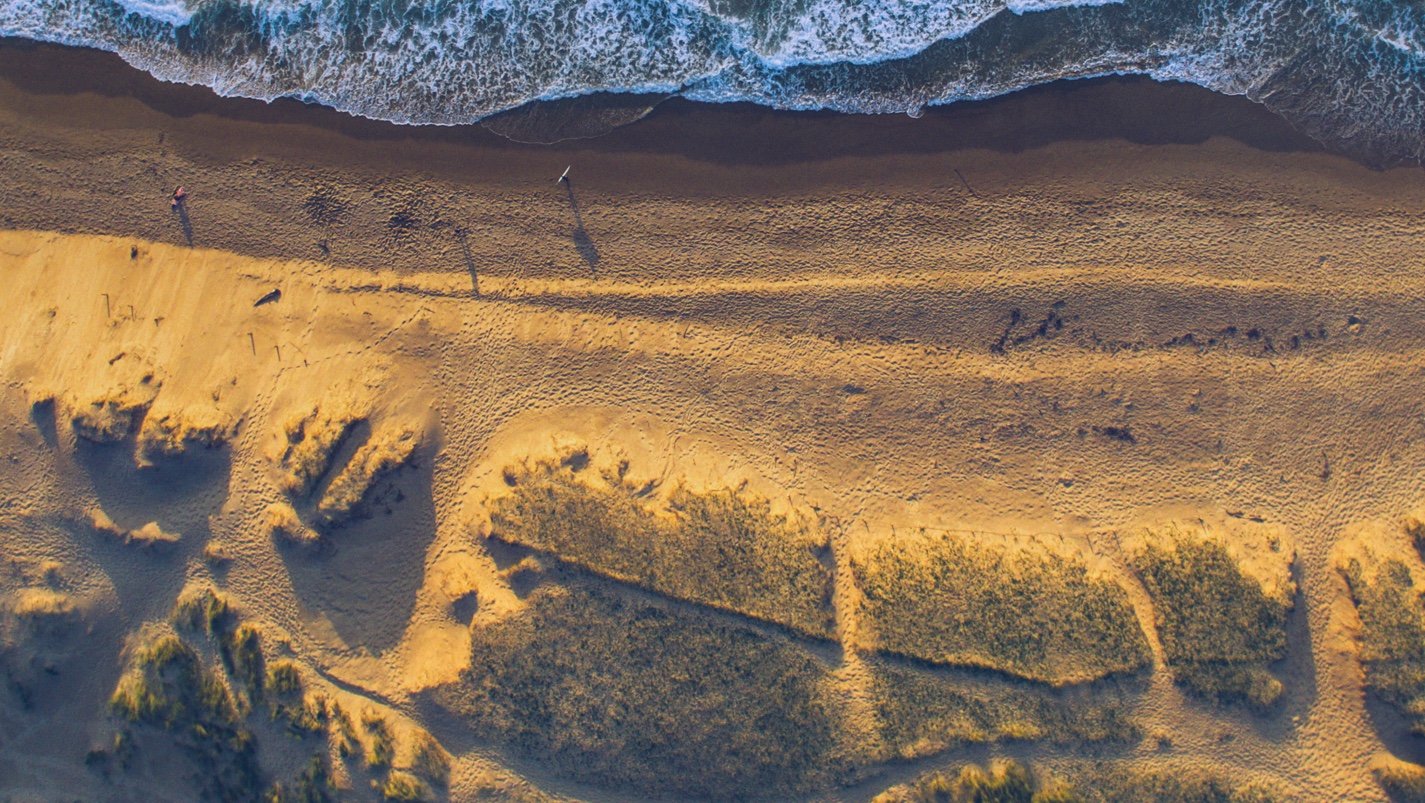

Alentejo, a stone's throw from Lisbon
Only an hour’s drive from Lisbon, we discovered an area little known in Portugal, but one that is certainly worth visiting. It’s a place to get lost in whilst taking in the incredible landscape. Alentejo has become a refuge for celebrities such as Valentino, Christian Louboutin and Sarah Ferguson. Even Spain’s Queen Letizia has been spotted around these parts.
In Portuguese, Alentejo means ‘Beyond Tajo’. It was the furthest point reached beyond the Tajo River during the reconquista. It’s a beautiful region blessed with endless planes, heavenly beaches and lots of sunshine. It is the perfect place to escape from the hustle and bustle and enjoy its local food and unique character.
With well-maintained historic streets and dozens of incredible shops where you can purchases artisan products, Évora is the most visited city in Alentejo. If travelling to Alentejo from Spain via Badajoz, the first city you encounter is Elvas, which is also well worth visiting. Builton high ground, its old military fortifications remain, reminding us of Spanish-Portuguese skirmishes over the centuries. Between Elvas and Évora lies Évora Monte, a tiny yet utterly charming village. Other destinations for the visitor include Portalegre, Monsaraz and Marvão, as well as the fascinating Estremoz and Vila Viçosa. It’s here that we make a stop to seek out the highly recommended Joao Portugal Ramos winery.Famous all over Europe, this bodega houses a number of wines of exquisite quality, and here you can see how they are made.South ofÉvora, in lower Alentejo, take a detour to Beja, Serpa, Moura, and above all the incredible town of Mertola.
One of the major reasons to visit this gorgeous part of the world is the beaches. In reality, they are an extension of Algarve, but a lot less crowded.Alentejo has remote beaches, where you can sunbathe, surf or simply get lost. Vila Nova de Milfontes isknown as ‘The Princess of Alentejo’ for its crystalline waters and sand dunes. It is a place you won’t want to leave. Instead, lose yourself in this slice of paradise.
WHERE TO SLEEP
If you do come to Alentejo, take the opportunity to sleep in one of the famous Pousadas Portugusesas and especially the Pousada Flor da Rousa in Nisa. This beautiful town is famous for its ceramic work, cheeses and local stew. But it also has a curious connection with France (in fact it is named after the French city of Nice). In 1199, after the conquest of the Sancho I and the Templars, a fort was built where Nisa now stands. Its first inhabitants came from Nice, and still today French culture seeps throughout this beguiling town.
If travelling from Lisbon, the Pousada da Nossa Senhora da Assunção in the village of Arraiolos, the Pousada Convento dos Loios in beautiful Évora or the Pousada Raínha Santa Isabel in Estremoz are good options. All are reasonably priced and all possess a certain type of magic.
GASTRONOMY
Alentejo's local food is not complicated. On the contrary, it’s simple, somewhat humble, yet delicious and abundant. It tends to be flavoured with herbs and other earthy produce. A good example of this is the typical açorda alentejana – a dish made with breadcrumbs, eggs, garlic, coriander and olive oil. It’s an explosion of flavours that everyone loves!
In Alentejo you will find exceptional bread, very good olive oil and mouth-watering pork. There is also a certain Arabic influence in the local cuisine, a sign of the long Moorish occupancy in the region. This can be appreciated in dishes such as migas à alentejana (paprika-spiced pork with breadcrumbs,) lamb stew and in the soups and local bread. Fish is also on the menu, best enjoyed at the fishermen’s bars situated close to the beaches.
Standout desserts include Pan de Rala from Évora or Sericaia con la Ciruela, a local speciality in Elvas. Or really any one of sweet treats from ovens of the local convents – abundant in this region! If you like good food, Alentejo is the place for you.
So there you have it, a fantastic plan for a short break. What are you waiting for? Book your seat now with Vueling.
Text : Tensi Sánchez www.actitudesmgz.com
Photography : Fernando Sanz

Vini and Panini in Florence
The capital of Tuscany is a striking city packed with appeal which is well worth spending a few days in. Awaiting you, among other inducements, is Michelangelo’s famed David, Spring by Botticelli, the Ponte Vecchio, the famous dome of Santa Maria del Fiore and the Piazza della Signoria with its bold Perseus by Cellini. A highly manageable city which lends itself to strolling about and can be enjoyed both day and night – the latter has a charm of its own. And, of course, it has to be tasted and savoured.
Wine is part of the city’s DNA, as is art, and you are duty bound to stop and have a drink in any of the salumerie (delicatessens) or wine bars, where they also offer boards of local sausage, cheeses and panini, which spice up the drink experience even more. There are loads of them but, to help put you on the right track, here are some recommendations:
Ino
Hidden in the back streets near the Uffizi gallery is this eatery – a must-visit – run by chef Alessandro Frassica, who you will see behind the bar counter or dancing in front of it. Panini made on the spot, with a long list of more or less classic options. When we were there we wolfed down one with bresaola (a cured beef), ricotta and zucchini, and another with mortadella e salsa al tartufo (mortadella and truffle sauce) which tasted divine. The food is freshly cut, the bread is good, a great atmosphere and a very trendy ambience. Needless to say, you have to wash down your panini with two glasses of local red wine.
Alimentari Uffizi
A delightful store with just three tables where you can purchase wine and drink it on the spot for an uncorking surcharge. To go with it –tastings of cheese, sausage, olives and a delicious homemade sobresada.Behind the counter is the helpful Alessandro, ready to guide you successfully through your culinary choice. Pure produce.
All’Antico Vinaio
One of Florence’s oldest wine bars, now run by a group of youngsters who have set a new seal on the business while maintaining its centuries-old essence. Chalked up on the blackboards are a host of panini options with seasonal ingredients which you can combine at will. Don’t let the queue in this eatery put you off, as it is well worth the wait. Order some wine and enjoy – it is sited in one of the liveliest streets for “wine crawling”. Apart from wine, they also have anosteriaif you prefer to eat at a table.
A Special Dinner at Il Santo Bevitore
We left the panini behind – but not the wine – and sat down in a restaurant offering Italian specialities in order to taste regional Florentine cuisine. And we made the right choice! A young, lively atmosphere and a cuisine that soars above the Italian standards we are used to, as well as a wine list with hundreds of Italian varieties. We followed their recommendations and ended up with a table full of terrina di fegatini de pollo (a tasty, typical Tuscan paté on a bun), tagliatelle alle castagne and risotto ai porcini (field mushrooms). The menu changes with the season and their wine bar on the same street is handy for whetting one’s appetite.
Shopping at Il Mercato Centrale and Sant’Ambrogio
So, we went shopping. The Central Market, located in the heart of San Lorenzo, is the most important market in Florence. Their display ranges from pastas of all types, cheeses, wines and olive oil to fresh delicatessen, fruit and vegetables, as in any market. One of their main draws is the food area on the first floor, influenced by street-food culture, where you can find all kinds of snacks. Another must-visit venue that will delight even the most seasoned foodies is the Mercato di Sant’Ambrogio. Located on the Piazza Lorenzo Ghiberti, it features both inside and outside stalls where locals crowd around in search of the best titbits. Genuine and lively – before you leave, make sure you buy at least some olives and a birra (beer). Have a seat in the surrounding area and soak up the atmosphere. And, while you’re at it, head for the Trippiao Pollini street stall and pluck up the courage to try their tripe sandwich – you won’t regret it!
Let yourself get carried away by the flavours of Florence – check out your Vueling here.
Text and photos by Silvia Artaza of Gastronomistas.com

Barcelona on five senses
By Mariana Calleja from TravelThirst
Barcelona has given me almost four years of experience. Experience that came along with a dream, and how not to love a place you once dreamt of and next thing you are standing right there?
I have had the chance the embrace this place, to have it all for myself and to sense it from head to bottom, from mountain to coast line, from iconic places to hidden undiscovered corners.
So please let me take you into these gothic old streets, into the most perfectly built neighborhood and into some greatest spots in history, in art, in culture, in food-n-drinks tasting. Let me get you inspired into sensing this unique city we all have heard about: Barcelona!
See
Definitely a great quantity of things to see in this city, but you all know where to find the usual stuff, right? So let’s not stop here and let’s keep moving forward to what you won’t find on a common travel guide.
Montjuic Magic Fountain: the best and most beautiful free water fountains we have seen in our travels, these fountains in Barcelona are not to be missed. With a winter schedule (Friday-Saturday 7-9pm) and a summer schedule (Thursday-Sunday 9-11:30 pm) you will have an endless opportunity to enjoy this show. Music, colors and water become alive all together in a beautiful set of artistic display.
View of Barcelona from down under the W Hotel. Right on the corner of Barceloneta Beach, you will find a surprising spot, not as touristy as one might think, with plenty of coffee places in order to enjoy the afternoon, winter or summer. Even a mojito if you please on a new “chiringuito” or beach bar for quite a low budget. Feel free to walk, rent a bike, roller skates, or even take the bus. Just make sure you don’t miss this secret spot. One city view you won’t get from anywhere else in town!
Castellers: traditional and local human towers! You read that right. Declared as a Human Heritage, this local activity has it all for your sight: from amazement to stressful balancing moments. Every neighborhood and every town has its own group of castellers. They don’t perform daily or weekly, but you can definitely search or ask for the next presentation closest to you. And it is always a free attraction, so write this down as I write and you read.
Smell
Unfortunately, salty-sea smell is not an option here. Despite being such a salty sea, the Mediterranean Sea has not a great or strong sea-like aroma. But it doesn’t really matter when you have such a city right on its side.
Barcelona has appeared to my nose as a fantastic lab many times, even for all senses. But I have found out it is mostly about the scents on the street. Like what? Well, bakery and chocolate shops. Not to leave fresh fruit markets aside of course. But to me, bakeries, pastry shops and bread shops are the winners to my scent-album! So many of them throughout town and all of them so worth even a little taste, not only a deep smell.
Besides, it’s quite cheap! So don’t hesitate on trying any good “patisserie” whenever in town (even better if hidden from main touristy streets or areas). Sit down peacefully or why not, take away to that little corner at the beach. It will all be worthwhile and you will enjoy the moment forever.
Also, do not doubt indulging your nose with some fresh market scents. It is all about juicy fruits, jumping next to the fish section with quite a different smell. Then hitting the isle down to the sausages and meat stands, just to finally and happily end up at the chocolates stand. Open your lungs, close your eyes, grab your purse and take a long deep breath right there. Your soul will regain energy afterwards.
Listen
Traditional castellers’ music: a small band particularly known as “cobla” are the ones in charge of playing some air instruments with one unique kind of sound, as part of their human towers ritual, setting the right time and rhythm of the ascending. Nothing like we have heard before. It certainly gives some emotion and feeling to the whole event. Once more, castellers and their music is worth mentioning here. As a free activity, you can put two senses to good practice while enjoying this incredible performance.
Sagrada Familia’s bells during christmas time: no words needed in order to describe this one. As simple as it sounds. So if you are around during christmas time, make sure you go visit and sit somewhere around this church, preferably on the night of December 24th. Then just sit and let go into an overwhelming experience as the church become alive to the sounds of bells playing the Holy Night.
Taste
Food and flavors in Barcelona is all about one thing: Traditions. And with these, let me give you a few but tasty tips on what to taste, depending on the season you are visiting the city. Don’t worry, there is something for everyone!
Calçots: a winter onion-like dish full of fun! Get your glove and bib ready to dip these onions into the most exquisite homemade special sauce.
Fideua: a paella made with tiny noodles and served with alioli. Couldn’t get better!
Cava with lemon sorbet: happy new years! Unbelievable fresh and classy drink, easy to make and ready to welcome a new year full of adventures.
Panellets: Easter week time brings some delightful little pastries of several kinds. They are called panellets and are sold by weight. Go by a pastry shop and buy one of each, then head to the nearest park and enjoy with a nice cuppa coffee or even some more Cava. Cozy, warm and sweet flavor.
Feel
The toughest sense to discover and describe, but also the most memorable one within our sensory album of life.
Barcelona is the heart and home for Modernism, which brings a special detail to be touched. Something you will barely find in any other place in the world.
Trencadís: this is the name for the very popular technique by Antonio Gaudi, the one with lots of ceramic pieces, with tons of colors and images, even hidden messages. This technique makes a unique surface, which can be found extensively at the Parc Guell mainly, but also at many other of Gaudi’s art, such as Casa Batlló and La Pedrera.
San Jordi’s City Door: a magnificent historical monument at the the Crown’s Archive building right in the heart of the Gothic neighborhood. Made with bronze in 1975 by Josep Maria Subirachs, this huge door gives a great overview to the history of Catalonia, all within the Sant Jordi legend: a saint who defeated a dragon in order to save an entire town and a princess. Its greatest figures and irregular surface lets people enjoy some learning while touching history itself.
After these experiences, you will certainly have some great stories to share and many memories through the senses that will make you want to come back to Barcelona.
By Mariana Calleja from TravelThirst
Why not take a trip to Barcelona? Have a look at our flights here!
more info

London – a City of Football Fields
In England, football culture is a world apart. Match days become a liturgy in which fans turn soccer players, the pitch and the ball into their own holy trinity. Football fever has London as its holy city, and its numerous stadiums as endearing temples of goal worship. The city boasts five teams in the Premier League, a list of companies added to a sizeable bunch of historic clubs. Here, then, are the 10 best stadiums in London.
10. Leyton Orient FC
Stadium: Brisbane Road. District: Leyton
While lacking a prize-winning record, and although having spent several seasons drifting in the Football League Two, Leyton Orient FC is one of London’s most endearing teams, as is their stadium. Inaugurated in 1937,Brisbane Road breathes everything one would expect from a historic British field – terraces, throaty songs and a sour smell of warm beer.
9. Queens Park Rangers FC
Stadium: Loftus Road Stadium. District: Shepherd’s Bush
While the West Endstands for an upmarket London, Queens Park Rangers FC encapsulates its glamorous side in football. Once the seat ofShepherd’s Bush FC (the club closed down in 1915), since 1917Loftus Road has been the home of The Hoops. Another iconic shoebox exuding footballing legend from its four grandstands, which its owners are unfortunately thinking of retiring.
8. Millwall FC
Stadium: The Den. District: South Bermondsey
Their football fans are known to be among Britain’s most belligerent, to which the followers of Millwall FC reply with their chant: “No one like us, we don’t care”. Founded in 1885 by a group of stevedores, from 1910 to 1933 Millwall played at a stadium known asThe Den.It was then demolished to make way forThe New Den,the first stadium to be built after the Hillsborough tragedy. It was also the home ground for the fictitious club,Harchester United,the fortunes of which were the plot of a television series,Dream Team,broadcast by the Sky channel from 1997 to 2007.
7. Tottenham Hotspurs FC
Stadium: White Heart Lane. District: Tottenham
Founded in 1882, Tottenham Hotspurs FC set up atWhite Hart Lane in 1899. Until 1972, it was one of the few stadiums that lacked advertising signage installations, after which it also succumbed to football marketing. Eternally vying for the hegemony of North London football with their eternal rivals, Arsenal, Spurs couldn’t keep turning down the prospect of extra revenues from advertising. Despite the charm of their home ground, the development plans of the Lilywhites, as the Spurs’ fans are known, involves building a new stadium alongside the existing one
6. Fulham FC
Stadium: Craven Cottage. District: Fulham
Fulham FC have always had a soft spot for their stadium, while berating the ground of their rivals, Chelsea, with whom they have kept up one of the staunchest rivalries in London football. Built in 1866,Craven Cottage is one of the most historic and architecturally beautiful grounds in English football. In front of the main entrance to the stadium is a statue of…Michael Jackson, a personal tribute to the King of Pop from his friend, the club’s chairman,Mohamed Al-Fayed.
5. Chelsea FC
Stadium: Stamford Bridge. District: Fulham
Stamford Bridgewas originally earmarked to be Fulham FC’snew ground, after having been based since 1866 at Craven Cottage just opposite. When the latter refused to move, another occupant of the premises had to be sought. Eventually, the London Athletics Club was founded for the purpose, and in 1905 it was renamed Chelsea FC. Located at the Shed End of the pitch is theChelsea Centenary Museum,surely one of the most interesting football museums in London.
4. West Ham United FC
Stadium: Upton Park. District: Upton Park
Thames Ironworks FCemerged in 1895, later to be calledWest Ham United FC, the team of the shipyards’ ironworkers. West Ham’s social legacy has led their fans, the “hammers”, to stake their claim as representatives of the East London working-class spirit. They dispute this class pride with their archrivals, Millwall. Their cockney essence comes to the fore on match days atUpton Park,West Ham United’s home ground since 1904. The Upton Park team is nicknamedThe Academy of Football,on account of its excellent work with homegrown talent, among other things. Sadly, as of the 2016–2017 season, West Ham will move to theLondon Olympic Stadium.
3. Arsenal FC
Stadium: The Emirates Stadium. District: Holloway
Unveiled in the summer of 2006, the Emirates Stadiumis one of the most striking colosseums in the world. Even so, Arsenal FC will always be associated with its old home ground,Highbury.After the club moved from these premises, Highbury has been reconverted into luxury apartments. The original facade of the stadium has been preserved intact, while the rectangular pitch has been turned into a green square. The flats are located on the site of the former main stands.
2. The Football Association
Stadium: Wembley. District: Wembley
Wembley stadium, crowned by its emblematic twin towers, opened on 28 April 1923. That same evening it hosted the FA Cup Final between Bolton Wanderers and West Ham United. From then on it has become, as Pelé once declared, “…the cathedral of football. It is the capital of football and it is the heart of football.” Demolished in 2003, the new Wembley was erected on the same site and, while it is no longer the original ground, it is still regarded astheSTADIUM.
1. Brentford FC
Stadium: Griffin Park. District: Brentford
Founded in 1889, in its one-hundred-year history,Brentford FChasn’t played a single season in the top flight. This modest record has not prevented The Bees, as the fans of this West London club are known, from topping this chart. Why is this so? Because, not only doesGriffin Parkevoke everything one could imagine when picturing an English football ground – it also has the unique claim to being the only football stadium in Britain (and, probably, the world) that has a pub in each of its four corners. It wins the number 1 spot, hands down!
Whether you like football or not, a tour of these veritable sports cathedrals is worth the trip to London. Check out our flights here.
Text by Oriol Rodríguez
more info