

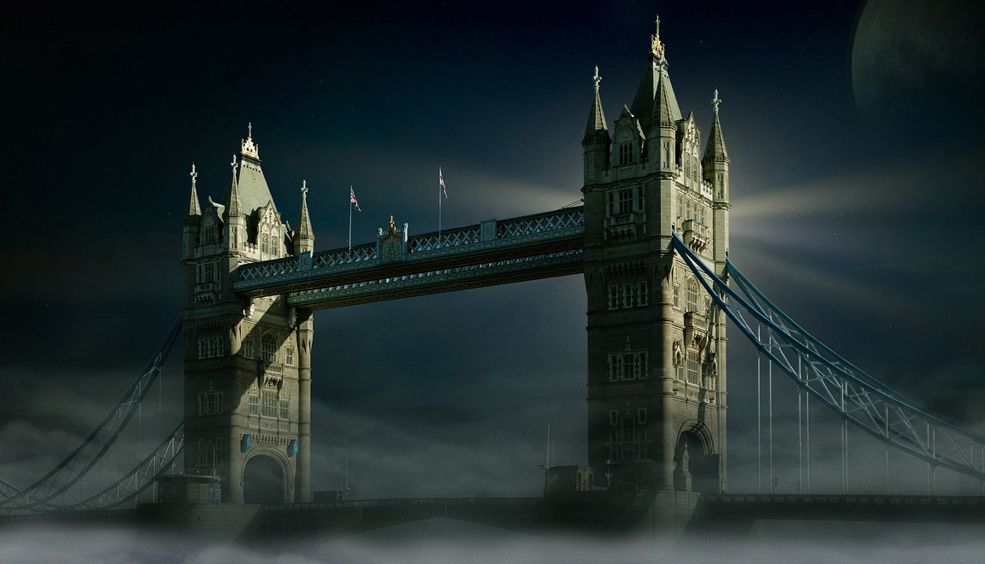
Enjoy the spookiest Halloween ever. The best destinations in Europe!
Celebrate Halloween in one of the cities that we suggest in this post. If you love dark tourism and all things spooky, don’t miss these fang-tastic plans for 31 October (and the days around it!).
more info
The best libraries in Europe
They might be places you never thought of visiting, but the best libraries in large European cities actually have a lot to offer. Some of them have witnessed important historic events and others are famous for their contemporary architecture. So let's keep our voices down and discover the best libraries in Europe.
more info
BeerRouteBohemia
Beer is unquestionably one of the Czech Republic’s star performers. There, the valued elixir is more than sacred. Czechs love beer and are actually the world’s largest consumers per capita, putting back an average of 137 litres a year. The country boasts an endless array of brands, churned out either by large breweries or small family concerns. The latest trend is to blend different flavours in order to generate a bigger selection. Here, beer is a veritable institution, and a fad which is fast catching on is to bathe in the frothy gold liquid.
Following is a rundown of the best places to enjoy pivo (“beer”, in Czech).
Prague
Our beer route through the Czech Republic starts in the capital. Prague’s most famous beer is Staropramen, made at a brewery in the Smíchov district, which is well worth the visit. The brewery, which opened in 1869, includes sections with exhibits from that historic period.
The city’s most celebrated restaurant and beergarden is U Fleků, located in the historical centre. Once inside its huge interior, we recommend you pick up the menu and order some typical Czech dishes to go with your beer.
The best Pilsner Urquell is probably to be found in the Pivnice U Hrochů (“Hippo Beergarden”) on Thunovská Street, where the brew comes with an inch of head. Some claim that to test whether a beer has been poured properly, you should place a euro coin on top. If it floats, the beer has been served correctly. Another beer centre is the restaurant U Bansethů (Táborská Street 4). Opposite is a small brewery, the Sousedský pivovar Bašta, where you can also taste the beverage. If, however, you prefer to go for the more avant-garde flavours, make sure you head to the Nota Bene bar at Mikovcova Street 4, Prague 2.
However, beer does not exist solely for consumption, as attested by the Beer spa Bernard, located near the City Hall and the Powder Tower. Here you will enjoy a unique experience consisting of a soothing, curative beer bath. Needless to say, the spa session includes knocking back a Bernard beer.
Southern Bohemia
Our next stop takes us to southern Bohemia and the pretty town of České Budějovice. There stands another of the Czech Republic’s emblematic breweries – where Budvar beer is produced – known the world over as Budweiser Budvar. On our tour of the brewery they showed how the beverage was brewed by the traditional method, and how it is done nowadays. The visit also includes a tasting session of their famous pale lager.
Near České Budějovice lies the medieval jewel of Český Krumlov and the Village Golf Hotel Svachův Dvůr (Svachova Lhotka 1, Mirkovice). The hotel complex boasts its own small brewery, the Glokner, where they produce a Czech lager that is adapted to the different seasons – in summer, it is brewed “light”, whereas in winter it turns out somewhat “heavier” and more full-bodied. And, to round off your enjoyment of this beverage, the hotel offers its guests baths in their own beer.
Western Bohemia
North-west of Český Krumlov lies the city of Plzeň (Pilsen), the cradle of Czech beer. Discover the jealously guarded secrets of this beer city in this other post at My Vueling City. An hour’s drive away is a small town called Chodová Planá, known for its beer spa, the first of its kind in the Czech Republic. The spa offers the combined curative properties of a local mineral water known as Ilsano, Chodovar beer, hops and active beer yeast. And, if you’re a beer spa enthusiast, there is also a splendid spa town called Karlovy Vary.
Central Bohemia
We made our last stop at Žatec. This region, the country’s leading hops producer, is where the universally known Pilsner Urquell is brewed. It is clearly the best area for producing lagers. Here you can also visit the Žatecký pivovar brewery.
By now you must be quite thirsty, and not exactly for water! Get going and arrange your trip to Prague – check out our flights here.
Text by Los Viajes de ISABELYLUIS
Images by Czech Tourism
more info
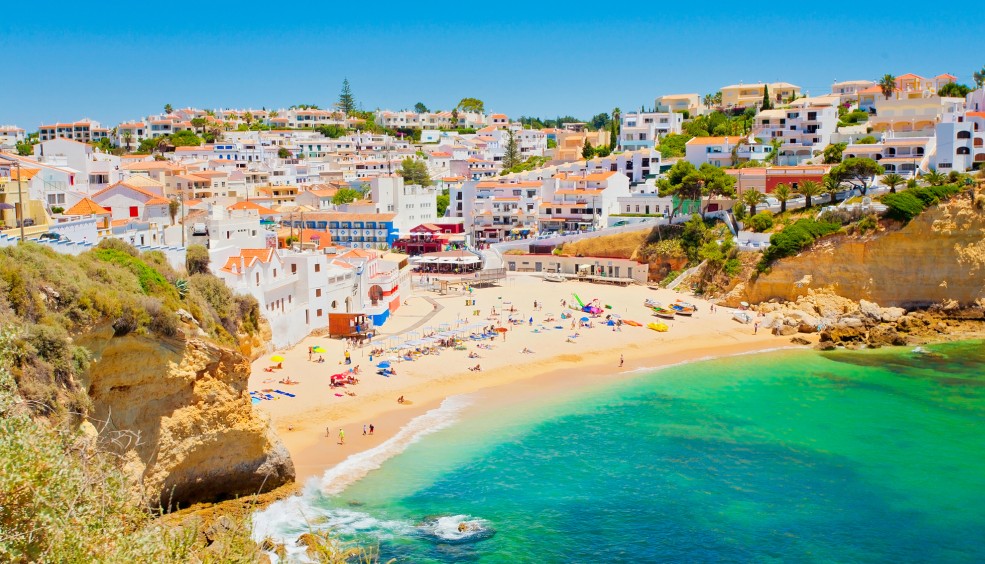
7 cheap destinations to enjoy before summer arrives
Do you fancy going away before the official summer holidays, to beat the crowds? Make a note of these ideas.
more info