
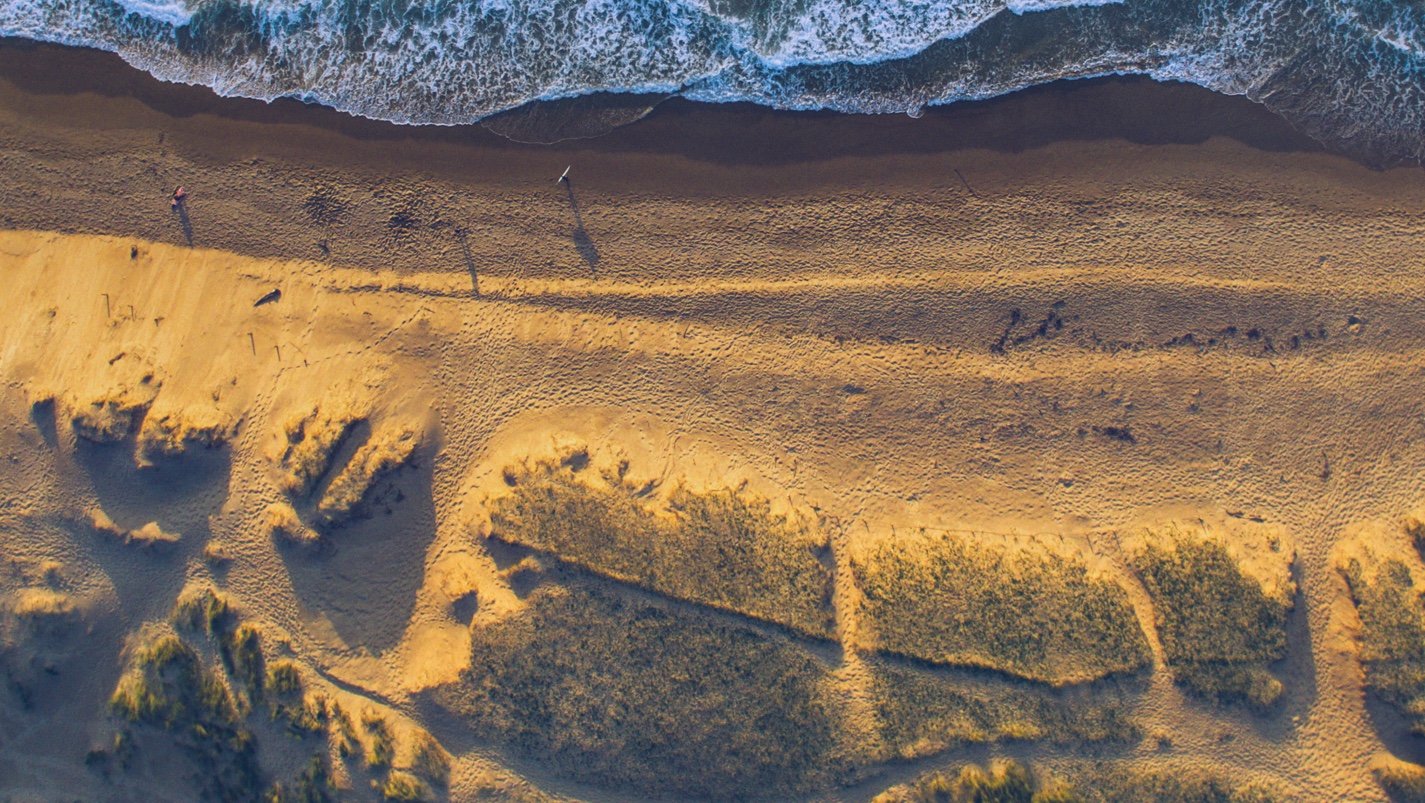

Sardinia: an amazing island
Up to Sardinia, the second largest island in the Mediterranean, comes all kinds of tourism attracted by its fantastic contrasts. Big claims are its magnificent landscapes, crystal clear waters and beaches – that nothing have to envy to the beaches of the Caribbean-, considered to be one of the most beautiful in the world. But up to Sardinia becomes also a tourism seeking to discover their valuable cultural legacy.
Ancestral traditions and rural ambiences that intermingle with modern cities and, in many areas, a luxurious tourism with big purchasing power. The fact that till not long ago, the island was a slightly exploited turísticamente, it does that the Sardinians still preserve predisposition is good towards the tourism. They always prove to be kind and ready to help and to advise.
Olbia is located in the North of the island. Olbia means ‘happy town’ and is not for less!. Here you will find that, for some, are the most beautiful beaches of the Mediterranean. It will cost you to choose between all of them, with its crystal clear waters and fine white sand. The beaches of Porto Istana, Lido del Sole, Li Cuncheddi, Bados, Il Pelikano happening by the 55 kilometres from the Coast Emerald in a postcard landscapes. And for the more daring, remember that it is an excellent area to practice the exciting kite surfing!
The Coast Emerald is a holiday place of jet set. The area of the gulf in which it places Olbia finds full luxurious yachts, and it is frequented by celebrities of all kinds that culture and history come attracted by the fascinating nature miscellany. And the fact is that Olbia preserves historical buildings and architectural value as the Town hall, the Romanesque iglésia of San Simplicio, the ruins cistenses or the Carthaginian wall.
The city of Cagliari, the capital of Sardinia, is located on seven hills (Sant’Elia, Bonaria, Monte Urpinu, Castello, Monte Claro, Tuvixeddu San Michele), in the gulf south of Sardinia and surrounded by marshes. Cagliari, and the entire island of Cerdagne in general, retains important vestiges of the Phoenician and Roman civilizations, and a true medieval air. You ll marvel at their culture, and the taste of marinera capital.
The oldest district of the town is the Castello, in which are the main points of interest. Perched high on a hill, you can easily access, either from the elevator of the market of Santa Chiara, from which it is located near to the Torre di San Pancrazio or climbing the staircase of St Remy that comes out of the piazza Constituzione. This square is a very lively place at night, with performances and lively local.In the district of la Marina, more mediterranean atmosphere, with plenty of typical taverns to eat. And let’s not forget the beaches! The most popular is the of Poetto, and one of the most beautiful of all the Mediterranean, as well as the marshes where you can see a host of migratory birds such as flamingos.
Finally, mention her excellent gastronomy. As in the rest of the Mediterranean, Sardinia is an island rich in healthy products from land and sea. Starting with its typical bread, the pane pane Carasau – of thin mass and crunchy, which many times is served drizzled with olive oil or to which you add tomato, fried egg or cheese. If you want to apply for a rich incoming, choose between the octopus, tuna, soup of fish, squid, shrimp, a dish of pasta or the rich rice that so well prepared. To choose a wine, keep in mind that the best come from the area of Alghero or Oristan.
A place well worth discovering! Check out our flights here.
Picture by Alsecommons
more info
The city of vermouth
In general the rule is that the further north you go in Italy, the more entrenched is the habit to enjoy the appetizer. Not surprisingly, the Piedmont area is known for the production of vermouth with brands such as Martini, Cinzano and Carpano.
The vermouth was invented in the cellar of Antonio Carpano’s in Turin in 1786 and from there the Piedmontese nobility made it fashionable. There are other versions that trace their origin to Hippocrates, the famous Greek physician who mixed white wine with plants like the wormwood to create a beverage for medicinal purposes. But it was not until 1838 that the brothers Giuseppe and Luigi Cora began to develop it industrially and distributed it worldwide.
Now the word vermouth has a more generic meaning. It refers both to the drink and to eat a tapa before lunch. In Italy the starter is not at noon as in Spain, but after work. It usually starts from 18:00 and end at 21:00 AM and is an economical way to take a break from work while sipping a drink and snacks, which can be alcoholic or not.
A very common option is the spritz, -with aperol, champagne, an orange slice and ice- the Negroni -with gin, campari, vermouth and an orange slice- the mascerotti -with wine, soda and champagne- or the Amaretti di Voltaggio, which goes along with their famous focaccia, savory pastries and other delicacies.
In Genoa, a port where botanical species from around the world arrived, the habit is strictly fulfilled and the tastiest appetizers are prepared. Here vermouth is a deeply ingrained habit, a social act that almost no one renounces. A moment to enjoy after work, listening to the tinkling of ice crashing.
You can have it in the historical premises or in the modern establishments that agglutinate especially in the Piazza delle Erbe, San Donato, Via San Bernardo or Porto Antico area.
Here’s the theory, now let's put it into practice!
Pasticceria Liquoreria Marescottis Cavo
Via di Fossatello, 35R and 37R
In the old town of Genoa, -the largest medieval quarter in Europe- you can find this historic café, bakery and liquor store. A local that dates back from the eighteenth century, which retains its old Charles X style furniture and a floor designed by Rubens himself. Tourists come to the establishment to observe the "prettiest pastry Genoa", to try their high quality confectionery and the Marescotti appetizer, a herbal vermouth.
You must keep an open mind to find the restaurant on the first floor because they have no sign.
Le Corbusier
Via di San Donato, 36R
Another historic local is Le Corbusier, specialists in cocktails-some self-created- and that has gained prestigious national and international awards. Martini itself can be found in twelve different variants.
Caffè il Barbarossa
Piano di Sant Andrea 23
www.cafeilbarbarossa.com
With an enviable location -very close to the house where Christopher Columbus lived-, and one of the most fun places to enjoy the most original appetizer in Genoa with its pleasant outdoor area, especially during summer.
The Caffè Barbarossa offers a wide range of whiskeys, cocktails and international wines and sparkling Genoese, in their restaurant, you will find vegetarian and vegan dishes. Look closely at their walls where the original rates of the brothels of the historical town hang.
Libreria delle Erbe
Piazza delle Erbe, 25R
An old bookstore downtown now transformed into a modern place. It still retains the spirit of the literary coffee -to consult and buy books-but, while enjoying cultural interventions you can also have a good coffee, snacks, cocktails, wines and beers.
They have a full weekly program of activities for lovers of art and culture.
Picture by Termolan
We’ll be there. If you want to come too, check out our flights here.
more info
Christmas in A Coruña
Christmas means decoration, gifts, ornaments, rituals, celebrations and much more. But, it is also a season when we probably have some extra leisure time. If you use it this year to visit A Coruña, you can get involved in a number of activities scheduled up to the moment the Three Wise Men arrive. Here, then, are our Christmas tips, and an introduction to two restaurants with Michelin stars not far from the city.
Atlantic Christmas
The María Pita Christmas Village opens to the public in early December and offers children’s activities, magic, games, music and gifts. Toddlers and infants will have a whale of a time here with the plethora of activities tailored to their needs. Children, the main focus of Christmas cheer, will be treated to a new edition of Nadaliño, a show featuring games and educational activities hosted in Palexco.
The A Coruña Science Museums have also scheduled a special programme for the season which entails learning while having fun. As ever, the festivities come to a close with the Grand Cavalcade of the Kings (Three Wise Men), a parade through the city’s streets, full of surprises, on the magical night of 5 January.
But, not everything has been devised for children. We adults can also enjoy these festivities. So, if you’re coming to A Coruña, be aware that there are numerous concerts on offer, as well as the premiere of several musicals and an Afro-American Gospel Music Festival.
Lastly, in the afternoon of the 31st, the customary San Silvestre Coruñesa race starts in the Plaza de María Pita and finishes at the Obelisco, for those who want to see the old year out in good shape and shed some of the calories acquired during the long holiday week.
Gastro-Visit
While you’re here, we recommend a getaway to two restaurants in the area with a Michelin star:
As Garzas
O Porto de Barizo, Barizo, 15113 Malpica de Bergantiños, A Coruña
Chef: Fernando Agrasar
Located in the heart of the Costa da Morte (Coast of Death), opposite the Sisargas islands, the restaurant is housed in the hotel of the same name, a building with large windows that seem to lean out over the cliff edge. The dining-room is a relaxing, modern space with a formidable fireplace and just eleven tables set around it. The cuisine at As Garzas bears a sea flavour – that of the Atlantic in pristine state. Their chef, Fernando Agrasar, asserts that the cuisine is not avant-garde but creative. Sans impositions or any pointless elaborateness.
Key to the menu is the Galician fish and seafood, crafted into veritable pleasure bites. While liable to seasonal variation, grouper and sea bass always take pride of place. The rices, too, especially their lobster rice. Apart from an impressive seasonal menu, As Garzas also offers a carefully curated menu for “those reluctant to make a choice”. There are 12 to 14 dishes in all (bearing in mind that two of them are desserts), which vary in terms of the season and market, with innovation as the restaurant’s hallmark.
Retiro da Costiña
Av. de Santiago, 12. 15840 Santa Comba, A Coruña
Chef: Manuel Costiña
Set in a stately manor halfway between Santiago de Compostela and the Costa da Morte, each area in the Retiro is meticulously designed for enjoying each occasion. For appetizers, a wine cellar with a star-studded ceiling, while lunch and dinner are hosted in a spacious, stone-walled dining-room. And, for after-dinner, an elegant salon with a fireplace.
Retiro offers market cuisine with the most appetising dishes in season. No kidding – Galicia rules! So, it requires no effort to find such marvels as razor clams from Fisterra, grouper from Aguiño, hake from O Celeiro or oysters from O Freixo. Aside from the delicious menu, Manuel offers two tasting menus, one of which is carefully paired by the sommelier. And, there’s more – the wine cellar! In addition to a striking wine list, they have another featuring liqueurs, each with over 800 items. Enological gems such as 40- or 50-year-old Macallan whisky.
There you have it – what’s in store for you if you visit A Coruña over Christmas. Check out our flights here.
Text by Turismo de A Coruña
Images by Turismo de A Coruña, Retiro, As Garzas
more info

Rome is a Different Kettle of Pasta
This post is another of those roads that lead to Rome. We trust it will persuade you to want to go (or go back) to Italy’s capital. In the eternal city, the pasta, pizza and even aperitifs taste different. The Romans know it, and so do the rest of the Italians. Because, as you well know, there is more than one Italy.
Having landed, strolled and got lost amid all La Grande Bellezza, these are the key destinations for savouring Rome tastefully and with sprezzatura, which has no exact translation – it refers to a nonchalant, seemingly effortless (but studied) attitude characteristic of Italian culture.
Where to eat
Roma Sparita. Located in the Trastevere, in a secluded corner sheltered from the hubbub, where time seems to stand still. Their cacio e peppe is a must, as is the Roman spaghetti par excellence, their seasonal mushroom recommendations and their tiramisu.
Romolo e Remo. Out of the way, but well connected by bus, this traditional trattoria romana is usually chock-full, so it is wise to book ahead. Home cuisine with generous helpings – go for the pasta dishes combined with the best fresh produce, and the pizzas if you’re there in the evening. Warm, obliging service. Open all week.
E-45 Piadineria Romagnola. Near the Vatican, it is ideal for a quick, quality meal. You choose the type of pasta and the filling. They make it on the spot and you can also have a homemade birra or take it out and have it elsewhere. Try the Roman classic, the number 12 on the establishment’s menu.
Taverna Trilussa. This tavern features exquisite antipasti, local sausage and outstanding stir-fries in the Trastevere.
Assunta Madre. On a quiet backstreet running parallel to the river Tevere lies this seafood temple. The fishtank in the entrance is their best testimonial, as are the photos on the walls, featuring celebrities that have graced their establishment.
Da Felice. A must-see trattoria in Trastevere; a family business offering tried and tested recipes. Try the roast lamb and the bucatini all’amatriciana, a type of hollow (or perforated) spaghetti, slightly thicker than the usual. It is typical of the Lazio region and is eaten with amatriciana sauce, which becomes infused in the pasta. Amatriciana is a variation on the different tomato sauces, this one including pork jowl bacon and cheese. The assortment is huge. All’amatriciana means any pasta or dish with this sauce. Order any of their select wines to go with it.
I Luzzi. A family trattoria serving Roman dishes near the Colosseum. Go for the set menu or one of the pizzas. This economical trattoria is in a tourist enclave.
A good ice-cream can be had either at Carapina – try their Nero assoluto – or Vice café.
Where to drink
Roscioli. This salumeria or delicatessen features tastings of pickled produce – mainly types of local sausage and canned foods, although it also boasts an excellent wine bar. If you’re looking for a good wine, you’ll find it here for sure. It’s a bull’s-eye. As are all their Italian specialities.
Café Doney. With its small terrace right on the Via Veneto, this is one of those distinguished cafes relished by both Romans and tourists looking to enjoy a good aperitif in one of Rome’s quieter, more select areas.
Porto Fluviale. A former warehouse restored as a trendy gastronomic enclave in the Termini area. It offers both food and drink but, above all, try their coffee and spritz as an aperitif.
To NY. The interior design and long bar counter dotted with cocktail shakers could not be more eye-catching. Best to drop in at night, with the atmosphere in full swing, and submit to the bartender.
Where to sleep
The Westin Excelsior Roma
An imposing, classical-style hotel just a stone’s-throw away from the Piazza di Spagna and the city’s prime shopping area. A unique spot for indulging in la dolce vita with its full-blown breakfast, its slew of homemade cakes and pies and even side dishes from all over the world. The hotel boasts spacious rooms with views, bathrooms with all manner of amenities, imperial-style salons and a spa to relax and recuperate, before taking in more of Rome. Well placed on the metro (the Barberini stop) and bus routes.
Text and photos by Belén Parra (Gastronomistas)
more info