
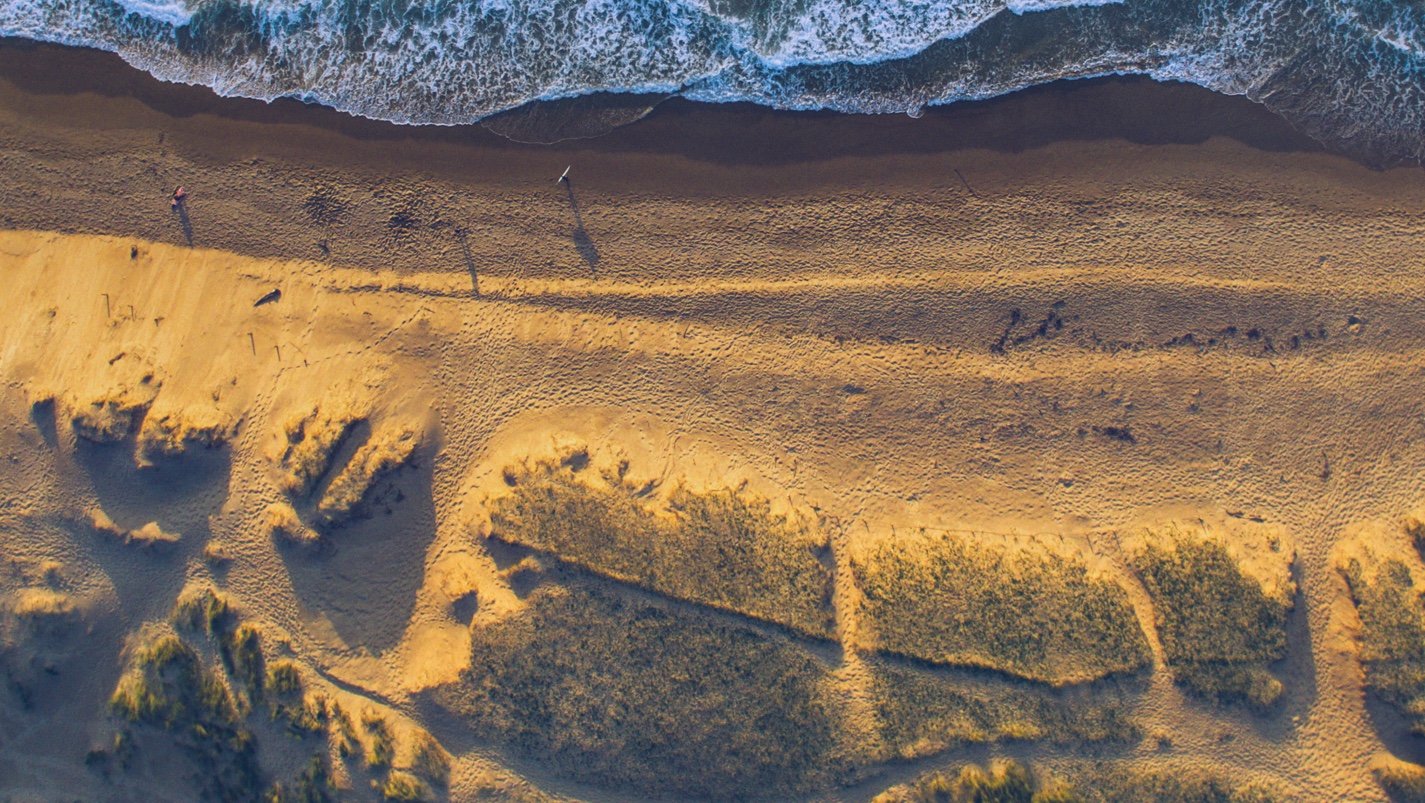

Ibiza the Wellness Island
In our last post about Ibiza we went in search of the island’s culinary delights, coinciding with the #IbizaSabor2017 event, and found that it features a whole world of flavours waiting to be discovered. On this occasion we delve into its facilities for promoting well-being and present them in the form of places and activities for nurturing our body and mind to the full, turning our visit to Ibiza into a restorative experience. Fancy discovering this with us?
Take it Slow
By this stage everyone knows that yoga is highly beneficial to both body and mind. A few asanas to tone our body, a good set of stretching exercises and a decent spell of meditation give a boost to our everyday well-being. If on top of that we do it in a setting in the heart of nature, the experience can be absolutely arresting. This is what you’ll get at YogaRosa Retreats, the ideal place to pamper yourself on a yoga retreat in a dream environment where you will also come across Austrian chef Philip Gandler, who adds a touch of experience to the wholesome cuisine. Another place to get rid of stress through yoga is Ibiza Retreats, a painstakingly renovated property located just 5 to 10 minutes from Santa Eulàlia, Santa Gertrudis, San Lorenzo and the turquoise waters of Cala Nova beach, where they schedule nearly 30 retreats between late February and the end of October.
Discovering Rural Ibiza
You might be surprised to learn that there is life beyond Ibiza’s beaches and discos. Venturing inland reveals a host of beautiful rural areas where you can enjoy an alternative experience to the usual Ibizan sojourn. You could elect to stay in accommodation like Can Pardal, an exquisitely restored 16th-century Ibizan house in the north of the island set amid olive groves and fruit trees. Or else visit an organic farm, Can Obrador, located on the Camí des Pedrisset, on the main road between Ibiza and Santa Eulàlia, where you can learn the workings of environmentally-friendly farming systems, or see the Can Caus organic farm in operation up close.
My Life For a Spa!
Fast-paced modern living makes it well nigh impossible to pamper yourself so, why not use your getaway to Ibiza to treat yourself to a spa treatment in amenities where you will emerge feeling renewed? There are various hotels on the island which include a spa among their services, as at Migjorn Ibiza, featuring a spa where they apply geothermal, Thai, chocolate and essential oil techniques. Other venues include La Posidonia, with views of the Mediterranean from their spa which alone make the experience worthwhile, and the evocative spa at the Hard Rock Hotel Ibiza, where you will come out feeling like new.
“Mens sana in corpore sano”
Sports enthusiasts will find that Ibiza has myriad open-air spots, full of magic and charm, where they can engage in sporting activities. The beaches are one of the main draws, where you can dive in crystal-clear water, go on a kayak tour, have a whale of a time doing kite-surfing, sail around the coastline or while away the time doing paddle boarding. You can also sign up for a bicycle tour of the island, go rock climbing or simply enjoy the island’s natural beauty while hiking along its footpaths.
Book your Vueling to Ibiza and discover the wellness awaiting you there.
Text by Los Viajes de ISABELYLUIS
more info

Magical Routes
The scenery in this land is highly varied, featuring the best of Cantabria, with its rugged coastline and inland landscapes blessed with nature in its pristine state. We are going to concentrate on two routes that traverse the province and boast an extraordinary historical and cultural legacy, studded with a host of priceless Romanesque churches. Both are listed as World Heritage by UNESCO.
The Northern Road to Santiago
Also known as the “Coastal Road” and running for 936 kilometres, in the Middle Ages it acted as a distribution network along the north of the Iberian Peninsula. The coastal road coincides roughly with the current layout of main roads, stretching across the whole region from east to west.
The miraculous discovery in 813 of the tomb of St James sparked the beginning of the pilgrimages to Santiago de Compostela, situated at the western edge of the known world. This centre of pilgrimage gradually grew in importance, vying with others in Rome, Jerusalem and Liébana. The pilgrims took the roads that led westwards which were generally old Roman ways still in use. In addition to the main route, which led across the north of the Meseta, there were alternative routes like the coastal road, part of which ran through Cantabria’s maritime districts. Thus, the road led through Castro Urdiales, Comillas, Laredo, Santander, Santillana del Mar and San Vicente de la Barquera, all of which boast valuable medieval religious buildings, both Romanesque and Gothic.
You are advised to negotiate the route in nine stages:
Stage 1. El Haya de Ontón – Castro Urdiales (21 km)
This is the first stage on the Northern Road through Cantabria. It leads through Baltezana, Otañes, Santullán and Sámano. The route is smooth, with no marked slopes, and has restaurant facilities, rest areas and drinking fountains.
Stage 2. Castro Urdiales – Guriezo (12.9 km)
A short stage. It is worth taking time to visit the Gothic church of Santa María, particularly its interior. You will pass through the villages of Allendelagua, Cérdigo, Islares and Nocina. The standout stretch is the last three kilometres, with stunning views of the Cantabrian Sea.
Stage 3. Guriezo – Laredo (23.1 km)
This takes you through Rioseco, Tresagua, Lugarejos, Iseca Nueva, Sopeña and, on the way to Laredo, through Iseca Vieja, Las Cárcobas and Valverde. The most prominent features include the hillside walk which culminates in your first glimpses of the Liendo Valley, the beautiful scenery around San Julián beach, and the town of Laredo, with memories of its medieval and modern history cast in stone.
Stage 4. Laredo – Güemes (36 km)
The municipalities traversed on this stage are Santoña, Argoños, Helgueras, Noja, Soano, Isla, Bareyo and Güemes. Noteworthy in Laredo is its 16th-century Town Hall. This is followed by a stroll along the beaches of Salvé, which stretches for over 4 kilometres, and Berria. When you come to Bareyo, make sure you visit its church, a gem of the Cantabrian Romanesque.
Stage 5. Güemes – Santander (18 km)
A short stage which allows you to explore the capital of Cantabria more fully. The places you pass through are Galizano, Somo, Pedreña and Santander. In the capital, the acclaimed landmarks include the historic centre and the Reina Victoria promenade. Don’t miss out on the Jardines de Pereda and the Cathedral, set behind the post office, in addition to the Iglesia del Cristo, where you can get your pilgrim credentials, both for the Road to Santiago and the Lebaniego Road.
Stage 6. Santander – Santillana del Mar (40 km)
Peñacastillo, Santa Cruz de Bezana, Puente Arce, Requejada, Barreda and Queveda are the population centres you traverse on this stage. From a cultural standpoint, the most striking landmarks are the 16th-century Arce bridge and the town of Santillana del Mar, a medieval museum in itself.
Stage 7. Santillana del Mar – Comillas (24.6 km)
This is a beautiful stage which, like the previous one, can be broken into two parts. One as far as Cóbreces and the other up to Comillas. Both are worthy of stopovers as they boast historical complexes. And, make sure you don’t miss the villa of the Marqueses de Comillas with its Catalan Modernist features.
Stage 8. Comillas – San Vicente de la Barquera (12.5 km)
The highlights of this stage are undoubtedly the above two towns, and the scenery along the Cantabrian seaboard which connects them. The route takes you through Rubárcena, La Rabia, Guerra, Rupuente and La Braña. Keep your camera or mobile handy as you’ll be passing through the Oyambre Nature Reserve and some idyllic beaches.
Stage 9. San Vicente de la Barquera – Unquera (16.4 km)
Everywhere you look around you reveals stunning scenery. Behind you lies the town of San Vicente and, to the front, the spectacular Picos de Europa mountain range. This stage takes you through La Acebosa, Hortigal, Estrada, Serdio and Pesués. While you’re at it, between San Vicente de la Barquera and Unquera you can take a detour at Muñorrodero if you also want to do the Lebaniego Road.
The Lebaniego Road
This is one of the most important and beautiful pilgrim routes. In fact, 2017 will be a Jubilee Year in Liébana. The Lebaniego Road runs from San Vicente de la Barquera to the Monastery of Santo Toribio, passing through the municipalities of Val de San Vicente, Herrerías, Lamasón, Peñarrubia, Cillorigo, Potes and Camaleño. The route traverses some beautiful natural spots and boasts fine examples of Cantabria’s architectural heritage. It also provides access to the Northern Road (or Coastal Road), the French Road and the Road to Santiago from the routes in León and Palencia, pointing to the historic ties between the diocese of Liébana and the kingdoms of León and Castile. Many pilgrims make the journey to Santo Toribio and then connect up with the two roads to Santiago for the purpose of attaining both credentials. It is advisable to negotiate this route in three stages:
1st Stage. San Vicente – Cades (28 km):
San Vicente de la Barquera is one of the major and most touristic towns in Cantabria. Although outside the scope of the pilgrim’s route, it also features interesting sites like the 13th-century Castillo del Rey, the 15th-century Convent of San Luis, where Charles V lodged before being proclaimed king in 1517, the bridge known as Puente de la Maza and the Sanctuary of La Barquera, both dating from the 15th century. From there you set out to Serdio, and on to the mountain trail that leads to Muñorrodero. The trail ends in Camijanes. You then pass through Cabanzón with its Medieval Tower and, finally, you come to Cades.
2nd Stage. Cades – Cabañes (30.53 km):
From Cades, you head for La Fuente. There you can visit the Church of Santa Juliana, one of the jewels of Romanesque art in Cantabria, listed as a Cultural Interest Site. After reaching Cicera, the road leads to Lebeña, passing through an oak and beech forest with millennial specimens, as well as field mushrooms of all kinds in season. The route ends in Cabañes after negotiating a slope.
3rd Stage. Cabañes – Santo Toribio (13.7 km):
The first stop is in Pendes, which you cannot leave without trying Liébana’s typicalquesucocheese. From there, the road leads to Tama, and then on to Potes, with its impressive Torre del Infantado, the town’s most emblematic landmark and one of the finest in Cantabria. It makes a priceless picture with the Picos de Europa in the background. Finally, you come to the Monastery of Santo Toribio, where the Lignun Crucis is venerated. The classical Gothic and Baroque monastery was built from the 13th to the 18th century. It features the 15th-century Gate of Pardon which is opened every Lebaniego Jubilee Year; that is, every time 16 April falls on a Sunday, the feast of the monk St Toribio, a historic figure acclaimed for having brought the Lignum Crucis to Liébana. This is regarded as the largest relic of Christ’s Cross.
Full information on the Road can be found here. In addition to the information, news and routes, there is a link to a map of the Road.
Millennary Yet Modern Road
The Lebaniego Road was the first pilgrim’s route to have a wi-fi internet connection, thanks to the project, Camino Lebaniego en Red. The connection is achieved via a system of waymarkers that provide a signal throughout the route. The technology enables travellers to interact with one another, access information and share their experience with other pilgrims. It is also accessible to people with disabilities and is generally designed as a comprehensive system for those covering the 72 kilometres of road. More information here.
So, take up your backpack and don your sturdy footwear for the journey. Live out the experience of the Road for yourself. Check out our flights here.
Text and images by Turismo de Cantabria
more info
A Legacy With Offspring
No less than 40% of the island’s population is concentrated in the capital, Ibiza. It is the venue for most social and cultural activities throughout the year and boasts the lion’s share of Ibiza’s culinary, sporting and leisure facilities.
Twenty-seven centuries of history are crammed within the walls of Dalt Vila in this ancient, sea-facing Phoenician capital. A visit to this site takes you on a journey into the past, essential to any understanding of the origins of the island. With their panoramic views of the sea, the Cathedral steps or the Old City Hall are hotspots for logging Instagram “likes”. The vantage point overlooks Es Freus, the strait that separates Ibiza from its sibling island, Formentera.
Business and leisure activities are concentrated at the foot of the walled precinct in Sa Penya, the old fishing quarter, as well as inLa Marina,the harbour, the central Vara de Rey boulevard, the lively Plaza del Parque and along the city’s main avenues.
Before Arriving
Dalt Vila can easily be toured in half a day. We met Shana Dominique Lacroix next to the boats moored in Ibiza harbour and she explained that the best panoramic view of the Old Town is to be had from alongside the Boas de Ibiza residential complex, designed by Jean Nouvel, on the opposite side of the docks (Paseo Juan Carlos I). While strolling along the dockside on our way to the walled city, we came across a monument dedicated to corsairs. Ibiza was a strategic point in the 16th, 17th and 18th century, as from there the whole south-east of the Iberian Peninsula could be defended against surprise raids by Turkish pirates.
Opposite the harbour, between Plaça d’Antoni Riquer and Plaça Sa Tertúlia, is a street market which begins after Holy Week and offers all kinds of craft wares, jewellery and leather goods. It is best to visit it at night time, when you can also have an ice-cream or a cold beer in the harbour area. It opens from 5 p.m. until the early hours. Nearby is Es Mercat Vell, with its Roman temple aesthetic, where you can enjoy fresh food and buy cut flowers. Open every day except Sundays.
Shana explained how the luxury marina had been relocated at the foot of the Old Town. This is one of only seven examples of such an oddity in the world. The fact is that a mooring in Ibiza’s exclusive harbour costs from 6,000 to 7,000 euros a day in high season (July and August).
Within the Walls
It is well worth strolling through the randomly laid out streets here and, on our walk, we came across medieval, Gothic, Renaissance and Baroque buildings. The austerity of the Gothic Cathedral is surprising. A rewarding stop is the Dominican Convent, in Renaissance style. It houses the tomb of Guillem de Montgrí, who drove the Moors out of Ibiza and Formentera in 1235. It was then that Catalan was adopted as the main language, although it gradually morphed into Ibizan over the centuries.
In Dalt Vila, culture vultures will be able to quench their thirst in the Contemporary Art Museum, with paintings, engravings, drawings, posters, photographs and videos by such prominent contemporary artists as Bechtold, Floris, Broner, Micus, Zush/Evru, Flanagan, Vedova, Schlosser, Hausmann, Le Parc, Tàpies, Gordillo, Dmitrienko, Hinterreiter, Vallribera, Broto, Faber, Tur Costa, Echarri and Portmany. Also worth visiting is the Puget Museum, dedicated to the work of the acclaimed artist, Narcís Puget. You can now also visit an exhibition devoted to the work of his son, the recently deceased photographer, Narcís Puget Riquer.
Ibiza “All’Antica”
Ibiza was designated a World Heritage Site in 1999, by which UNESCO recognised the need to preserve the historical, cultural and natural assets which make this island unique, although especially on account of four complexes:
1. The Walled Precinct of Dalt Vila. The best preserved fortress in the Mediterranean. In the 16th century, Philip II ordered the island to be defended tooth and nail against Berber assaults. He had the old medieval walls converted into an impregnable, fortified bulwark.
2. The Puig des Molins Necropolis. The world’s largest and best preserved Phoenician-Punic necropolis is located in the ancient Roman settlement in the city centre. On display are over 2,500 hypogea or underground chambers where the deceased were buried along with their belongings and tools, in preparation for the afterlife. This is also where the bust of Tanit was found. The goddess of love and fertility, she is identified as the goddess of Ibiza.
3. The Phoenician Settlement of Sa Caleta, in the environs of the Ses Salines Nature Reserve, was the earliest Phoenician settlement on the island, dating from the 8th century BC. The site is fenced off but you can still see the layout and the way life was organised in those times.
4. The waters around Ibiza and Formentera are exceptionally clean and transparent on account of abundant, well preserved underwater meadows of posidonia which promotes seabed biodiversity and the development of indigenous species of marked scientific value. The waters and islets of Es Freus, within the Ses Salines Nature Reserve of Ibiza and Formentera, are ideal for diving.
A large medieval market is held on the second weekend in May each year to celebrate the anniversary of Dalt Vila’s designation as a World Heritage Site.
But, not all is world heritage in old Ibiza. Other assets have emerged over the last few decades and, while they may not be as edifying, they are nevertheless equally essential. For instance, there is the broad slew of culinary offerings available in a host of restaurants, many of which can be found on the Calle de Santa Cruz. We can recommend La Oliva, which features Mediterranean cuisine with some Asian flourishes, where you are sure to bump into the odd celebrity. Then there is the Plaza del Sol, with amazing views of the harbour.
Why wait to explore Ibiza’s Old Town? Check out our flights here.
Special thanks to the Fundación de Promoción Turística de Ibiza.
Text by Los Viajes de ISABELYLUIS
Images by Los Viajes de ISABELYLUIS and Fundación de Promoción Turística de Ibiza
more info
REASONS TO VISIT MENORCA IN WINTER. IT'S SO MUCH MORE THAN BEACHES!
The islands are not only for summer! Some say that Menorca is even more beautiful in winter, if possible. We tell you why, so you can start to plan your next getaway very soon!
more info