

Seven Ideas for Enjoying Tel Aviv with Children
Famous for its white silhouette and for being the city with the largest collection of buildings inspired by the Bauhaus (over 4,000), it is also renowned for its Mediterranean light, its multicultural, cosmopolitan milieu and its high standard of living. However, what is not so well known is that young Tel Aviv, founded in 1909, is a fantastic family resort where both the young and old can have a lot of fun. Why? The high birthrate – over three children per family – has prompted a large number of children’s facilities to be built in the city. Here are some ideas:
1. Kids might get bored with stone, the major feature of the old port of Jaffa, founded in 700 BC, which forms the original nucleus of present-day Tel Aviv. But you’re sure to win them over if you tell them it was here that Noah’s ark came to rest when the Flood subsided. This maze of well-preserved, winding streets has been exquisitely restored as part of a complete makeover. It throngs with craft shops, art galleries, cafes and artists’ studios, including the rehearsal premises of Mayumaná, a group known for its unusual way of making music using non-musical objects, such as rubbish skips, recycled objects, etc. If you start hearing weird sounds while out strolling there, they are obviously engaged in a full-blown rehearsal. Before leaving, make sure you take some amusing photos of Jaffa, like hugging the “hanging” olive tree or in front of the whale that swallowed Jonah. If you happen to be out walking at dusk, have a look at Tel Aviv’s skyline and the fishermen seeing out the day on the wharf.
2. Jaffa is the site of a pleasant Tel Aviv promenade, the Tayelet.The walk, which stretches for fourteen kilometres, starts at the old, millenary harbour and crosses Tel Aviv in a northbound direction. It can be done on foot, or by jogging, skating, skateboarding or cycling – municipal bicycles can be hired all over the city. All you need is a credit card, and that’s it! Don’t worry if you get tired of pedalling – we recommend a stop-off at one of the cafes opposite the beach, or having an ice-cream while seated on one of the benches along the promenade, where you can sun yourselves and soak in the atmosphere.
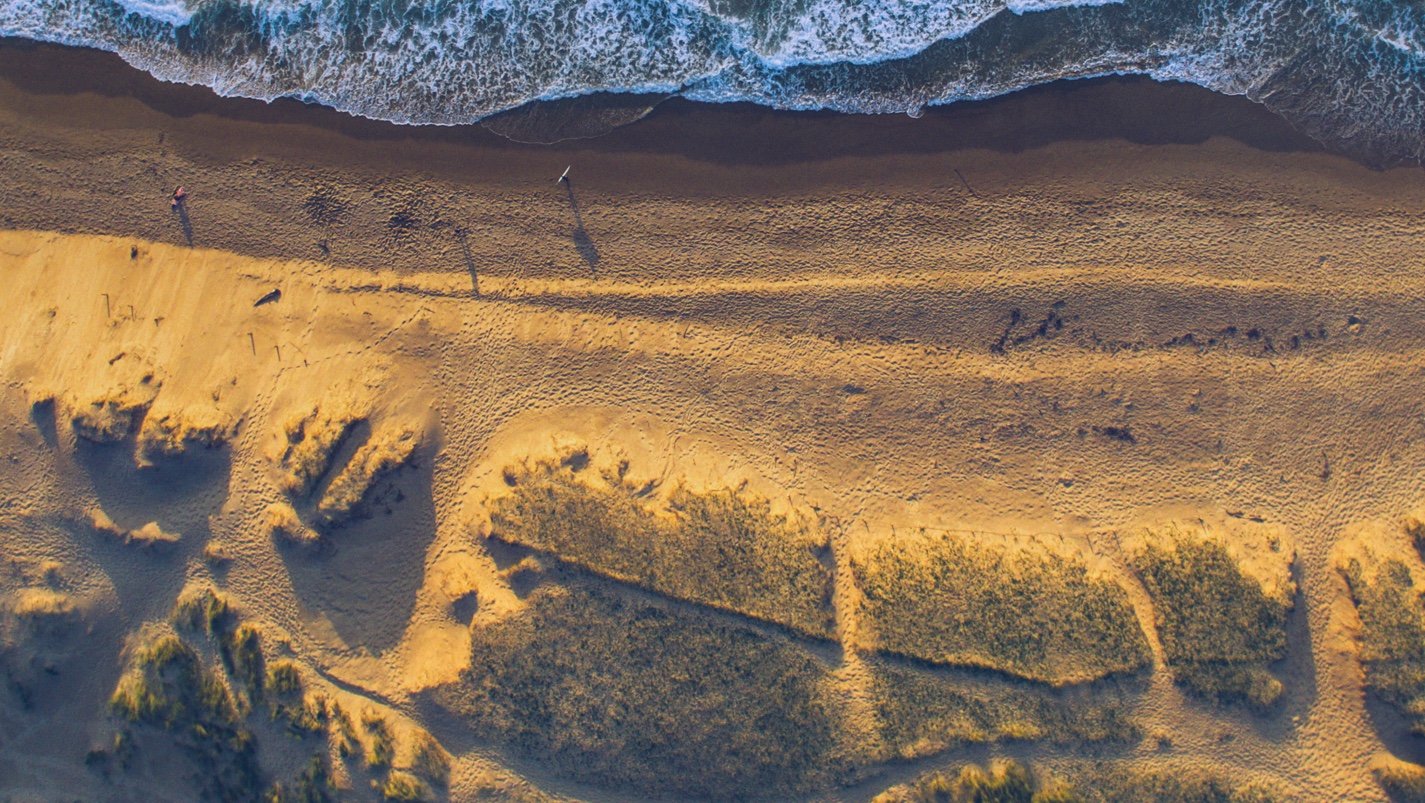
3. Tel Aviv is a coastal city with beaches where you can enjoy the warm Mediterranean climate. They are clean and lively and provide all the services – changerooms, showers, playgrounds and swings! All designed for soaking up the seaside, as here they can boast of over 300 days of sun a year. The family favourites are two in particular – Metzitzim, in the north, perhaps the beach of choice among locals, and the Jerusalem beach, which affords a perfect view of the Jaffa skyline. For interest’s sake, Hadatiyim is the beach where religious people go, while Hilton beach is preferred by surfers and homosexuals. To get into the swing of things, buy some typical wooden racquets called markot and get ready to spend hours playing on the beach.
4. A stroll down the Rothschild Boulevard is a must. Make sure to stop off at number 45, the domain of the Max Brenner Chocolate Bar. This is the Mecca of chocolate in all its shapes, colours and textures and their prices are well worth paying. The menu is so tantalising and so mouth-watering that the whole family is sure to give in to the temptation at any time of day.
5. Talking of food… somewhat less traditional are the products to be had at the Carmel Market, the best place for imbibing exotic flavours and aromas and discovering fruit, vegetables, sweets, multi-coloured spices, fresh fish, meat hanging from gigantic hooks and prepared food unrecognizable for many westerners. Strange aromas, sounds from voices and electronic devices, music and hubbub mingle in the air. Of course, the question most often heard is – What is this? Startled expressions at the new flavours are guaranteed, as are the smiles on realising that you can also find sweets in Israel! Even though they are a bit strange. But, don’t leave Carmel without tasting a pomegranate and orange juice… Mmm!
6. The Ramat Gan Zoological Center is a locally popular nature reserve where you can see exotic animals like giraffes and lions in the semi-wild. The park tour, measuring one square kilometre, is done by car, as if on a short safari. Be warned, though – the size is deceptive. The circuit is so well designed that it seems bigger than you imagine. If you don’t have your own car, you can hire one.
7. Hayarkon Park is a replica of New York’s Central Park in all respects, including appearance and size – it stretches over four square kilometres. We recommend taking a bicycle ride along the riverbank and having a picnic and, for dessert, a game of cricket – a popular game in Israel. There is also a lake where you can hire a boat, several ponds with ducks and even a climbing wall where you can try out your skills as a rock climber.
A place worth visiting with the family! Check out our prices here.
Text and images by Nani Arenas
more info
6 magic places in Tel Aviv
Tel Aviv is a city that never sleeps and offers a mix of opportunities to enjoy our stay there. Each neighborhood has its owns charms and each can have a unique and unforgettable experience:
1.- Old Jaffa
The old town, Old Jaffa , claims to be the neighborhood where the history of Tel Aviv begins. Its narrow streets and picturesque stone houses make you immerse in the old Ottoman Empire. This part of town is known for being one of the busiest and the main claim for tourists, attracted by the bohemian and art off its people and places. The flea market, Jaffa Flea Market , treasures all kinds of antique and curiosities that will not let us get away with empty hands. If we are hungry, Ali Karavan serves the best hummus in the world. Its main dish is hummus with beans and also the prices are very affordable. Another restaurant in the area to highlight is Dr Shakshuka , where you can taste the typical Israeli home cooking as much varied and tasty.
2.- Tel Aviv Port
This restless city is characterized by its port and beaches, washed by the eastern end of the Mediterranean Sea . Tel Aviv offers spectacular views and it is a must walking around the harbor, which can be reached just leaving Old Jaffa. In Tel Aviv Port can be found especially local clubs or cocktail bars and a wide range of restaurants for all tastes. On the seafront is located Galina , an outdoor nightclub whose attendees are both tourists and locals. Theme nights for everyone are usually scheduled . Lovers of fish and shellfish can not say goodbye to Tel Aviv without delighting their palate in Manta Ray , number one shellfish in Israel . Another of their specialties is the cream of aubergine, a favorite for many of their guests . It is a perfect place for both a brunch with friends or to enjoy a romantic dinner by moonlight and the sound of the waves.
3.- Tel Aviv’s Downtown
Tel Aviv’s downtown hosts the most sophisticated shops in the city, from world famous brands to luxurious Israeli firms. The most emblematic of Tel Aviv are the great Dizengoff shopping center and the Bauhaus Center museum , in the heart of the city. We may also choose from a variety of restaurants that feature cuisine of extreme quality. Our favorites are the ice cream from Vaniglia and The Dinning Hall, a multicultural restaurant that fuses the culture of Israel through the cooking styles Sephardic, Ashkenazi, Arabic and Jebusites, always with Mediterranean and European connotations. The latter is located in the Performing Arts Center, on the boulevard of King Saul.
4.- Florentin
Florentin is a lively, bourgeois neighborhood of Tel Aviv. Where once was the working class’s refuge, in this last decade has been transformed and has been filled with artists, artisans and interesting people. Walking the Florentine streets is common to see graffiti on the walls or doors of houses, shops and establishments. Shuk Haaliyah spice market has become a must for all visitors to the city. We recommend to eat at Hahultziym 3, a restaurant that will make us dream with its parmesan-reggiano cheese, its kebabs, pitas roasted pork pitas and challah or bread stuffing Hebrew.
5.- Rothschild
Rothschild is the quintessential neighborhood for shopping and browse lots of little shops of local and vintage clothing. The Rothschild Boulevard and Shenkin Street have boutiques with a personality, best to go for the latest. Tuesdays and Fridays, Nahalat Binyamin Street becomes a showcase for the most innovative designers of clothing, jewelry, furniture and handicrafts. Most hedonists are in the right district, as the coolest nightclub in Tel Aviv, Radio EPGBE opens its doors in front of the boulevard. The purest underground atmosphere and live music make us enjoy the Israeli scene. You will listen to indie, rock, electronic and independent music in general. After a wild night, we can go to recover strength to Benedict, on the same boulevard, open 24 h and specialized in the most complete and tasty breakfasts that we can imagine.
5.- Neve Tzedek
The trendy district of Tel Aviv is precisely Neve Tzedek where tradition and modernity coexist. It is one of the most beautiful and was built in 1887 as the first Jewish neighborhood outside the walls of Jaffa. Get lost in its streets is essential in our journey to discover the white city’s history and evolution. We will be mesmerised by its amazing architecture that invite us to take pictures incessantly. Bohemian artists and modern people occupy the streets and proliferate their workshops and business in this area. The Monastery is a cocktail bar open 24 h, known for the variety of imported beers, situated at Allenby. Sausages are its specialty and there are all kinds. Good place to connect and converse with the locals and other tourists. Next to Neve Tzedek, the impressive market Hacarmel stands with stalls of exotic stuff and food to trade with their multicultural assistants.
Image:Boris Kuznetsov
By Blanca Frontera .
A place worth visiting! Check our prices here.
more info

Birmingham and the Birth of Heavy Metal
Birmingham has long been characterised by its strong musical drive. In the sixties, it already had 600 pop and rock bands. Musically speaking, the Birmingham scene stood out for its fusion. Indeed, almost all the musicians in those groups also played in parallel bands. Even soloists eschewed being pigeon-holed and poured out a blend of styles in their live shows. The fact is that musical amalgamations have been part of the city’s DNA since the 18th century, when street musicians sounded out practically all the styles to be had. Diversity and the culture of experimentation have led Birmingham to engender several musical styles. In the sixties, it was the Spencer Davis Group super band that provided the finishing touches to British rhythm and blues through a combination of folk, jazz, blues and soul. Although Pink Floyd were the initiators, English psychodelics was consolidated in Birmingham by The Move. But, there is one style that became a mass, global phenomenon – heavy metal – which germinated in the early seventies and was captained by Black Sabbath.
Macho Rock
Heavy metal has always been regarded as the epitome of hard rock. Not for nothing did it emerge as a far more extreme form of rock than anything that went before it. But, why in Birmingham and not in London? For the simple reason that it emerged in the centre of the country where trade, information and trends were continually converging. In effect, this enclave lay halfway between the country’s two major musical poles. One was London, with its white, hard-blues bands, many of whom had conquered America in the previous years. The other, Liverpool, a veritable nursery of melodic pop. Aside from being a nexus between the two, Birmingham contributed its grain of sand by incorporating jazz as a condiment. But, that was not all – darkness, and the repetitive, mechanical component associated with a city smothered in factories since the Industrial Revolution, proved to be more than latent. All these components came together in the early records of Black Sabbath – “Black Sabbath” (1970) and “Paranoid” (1972). While the former still rested on the solid springboard of unmitigated blues, the latter heralded the birth of a new style, with a far more polished sound, suited to a wider audience. The disc topped the charts in the UK, and reached number 8 in the USA. That recording hit a milestone beyond the reach of most, and its influence was decisive in the birth of punk (Sex Pistols), post-punk (Joy Division), stoner rock (Kyuss), grunge (Nirvana, Soundgarden, Mudhoney, Alice in Chains), and even rap (Ice-T, Cypress Hill).
The Father of the Child
Controversy is rife when it comes to asserting the paternity of the genre. There are two schools of thought – those who believe Led Zeppelin to be the pioneering band, and those who hold it to be the combo led by Ozzy Osbourne. At any rate, gestation clearly occurred in Birmingham and a large number of members of both groups hail from this city. All the members of Black Sabbath were nurtured on the local scene. Half of Led Zeppelin, too, as John Bohnam (drums) and Robert Plant (vocals) are local boys, having previously played in Band of Joy.
Conquering the World
Heavy metal managed to spread across the planet thanks to another Birmingham band – Judas Priest. Led by Rob Halford, they ratcheted the style up another notch, particularly with the release of “Stained Class” (1978), a disc that spearheaded what was known as the “new wave of British heavy metal”, which involved ditching the blues rock influence for good and focusing on other aspects of sound, such as power and speed. Their legacy sprouted ramifications in the form of speed metal, trash metal, death metal and black metal, and essential bands like Godflesh and Napalm Death. Their influence, however, was not only musical but also aesthetic, as it was they who ushered in prototypal heavy metal attire, based on leather, studs and the biker look.
A Heavy DNA Beyond Heavy
Many artificers of heavy metal music have sprung from the Birmingham scene, notably Blaze Bayley, Iron Maiden’s vocalist from 1994 to 1999. There are also those whose music, while not attributable to this genre, certainly influenced it in some way. Some of the most illustrious examples are Nick Mason, Pink Floyd’s drummer; Jeff Lynne, composer and singer with Electric Light Orchestra; Phil Lynott, the leader of Thin Lizzy – who was christened at St Edwards Church in Selly Park, very near Birmingham – and Marin Barre, the guitarist for Jethro Tull.
Birmingham’s musical spirit remains intact. Two scenes can currently be identified, both in rock and electronic. The city also boasts some of the most exciting festivals in the West Midlands, such as the Moseley Folk Festival, held in September.
Heavy metal never dies! Why wait any longer to discover the birthplace of this genre? Check out our flights here.
Text by ISABELYLUIS Comunicación
Images by Cindy Frey, Rowan Peter
more info
Oslo: Pure Life, Pure Trend
By Tensi Sánchez from actitudesmgz.com
The city of Oslo is located in the formation of one of the most beautiful fjords in Norway which is named the same way. Surrounded by more than 40 islands, lakes and woods, it´s one of the most amazing cities of Scandinavia.
It´s a great destination when we plan a trip thanks to the wide range of activities that the city offers. Nature and metropolitan trends are perfectly mixed, nowadays making the city an essential destination for every architecture, art, design and nature lover. Actually, Oslo is the only city in the world which offers access to sky slopes by metro, so that makes it appealing in every season of the year.
It´s development has been brutal over the last ten years, placing it as one of the highest living standard capital in the world. What is more, lately new museums have been opened in town and they have become the port in a hive of culture and leisure. That´s why Oslo is an attractive destination for tourists.
The best option to start moving around the city is to buy the Oslo Pass ticket which gives access to transport and museums.
The port located in Aker Brygge area, contains modern buildings, restaurants, museums, galleries and shops where you can easily get lost a whole day.
Following Aker Brygge, we walk through the zone of Tjuvholmen where the Astrup Fearnley Museum of modert art built in 2012 by the architect Renzo Piano, is placed. Its peculiar architecture and location make it Oslo’s most amazing museum among others. In the same zone the recently inaugurated The Thief is located: one of the city’s most impressive hotel. Its hall is a visit not to be missed.
From the same port and with the Oslo Pass card, you can take the ferry that transports you to the island of the museums situated in the area of Bygdoy. The most interesting ones are the Fram Museum, which hosts the breathtaking icebreaker and the Museum of the Vikings Boats. But there are plenty more. Back to the port you can have a drink in some of its boat-bar or restaurants, enjoying in the open air of one of the most beautiful views to the fjord. Among all the restaurants we highlight Lofoten and Onda Sea for its magnificent fish and fresh seafood.
Scandinavian design, in particular the Norwegian one is very precious. Its habitants can boast of being situated in a very good level and being well appreciated. The Norwegian style nowadays it’s on the rise and its fashion, design and decoration shop are a proof of it.
Among them we highlight: Balder Interior , Dapper, Moods of Norway, Pur-Norsk, Koma, Tulip & Tatamo Trikotasje, Norway Design; and last but not least House of Oslo: the first and only shopping mall of Norway specialized in design and Norwegian lifestyle, with more than 20 shops distributed over its four floors.
Sunday it´s the perfect day for visiting Blå market in the area of Grünerløkka which is placed on the other side of Akerselva River. A very trendy meeting point for eating or enjoying live local music. This market is very peculiar as you can discover marvelous vintage clothes, purses, books, records, accessories etc., in an unique atmosphere. In fact, it´s the area where cheapest beer and most amazing graffiti that you won´t stop admiring, are.
Grünerløkka zone is far from the noise of the tourists and getting lost through its streets and discovering its shops, restaurants and bars it´s very appealing.
Very close to Blå, in Vulkan, is located a building (inaugurated this year as well) with industrial appearance that places a gastronomic cultural center: Mathallen, where products from Norwegian manufacturers and imported products can be eaten and bought. It´s perfect for enjoying local food.
Around the building shops, bars and contemporary art galleries are being inaugurated, for example Vulkan Gallery. Without any doubt it will be a zone to take into account in the city.
Oslo is a city culturally alive; especially when the weather is good. That´s why we can´t miss festivals like Øya, which is the biggest open air pop- rock music festival in Norway.
If you are want to get to know more about Oslo check the webpage Visit Oslo and discover thousands of possibilities that the city and its surroundings offer you.
By Tensi Sánchez from actitudesmgz.com
Photo and video : Fernando Sanz
Perfect plan to go with frineds. Check out our flights!!!
more info