

Cascais a Game of Kings and Spies
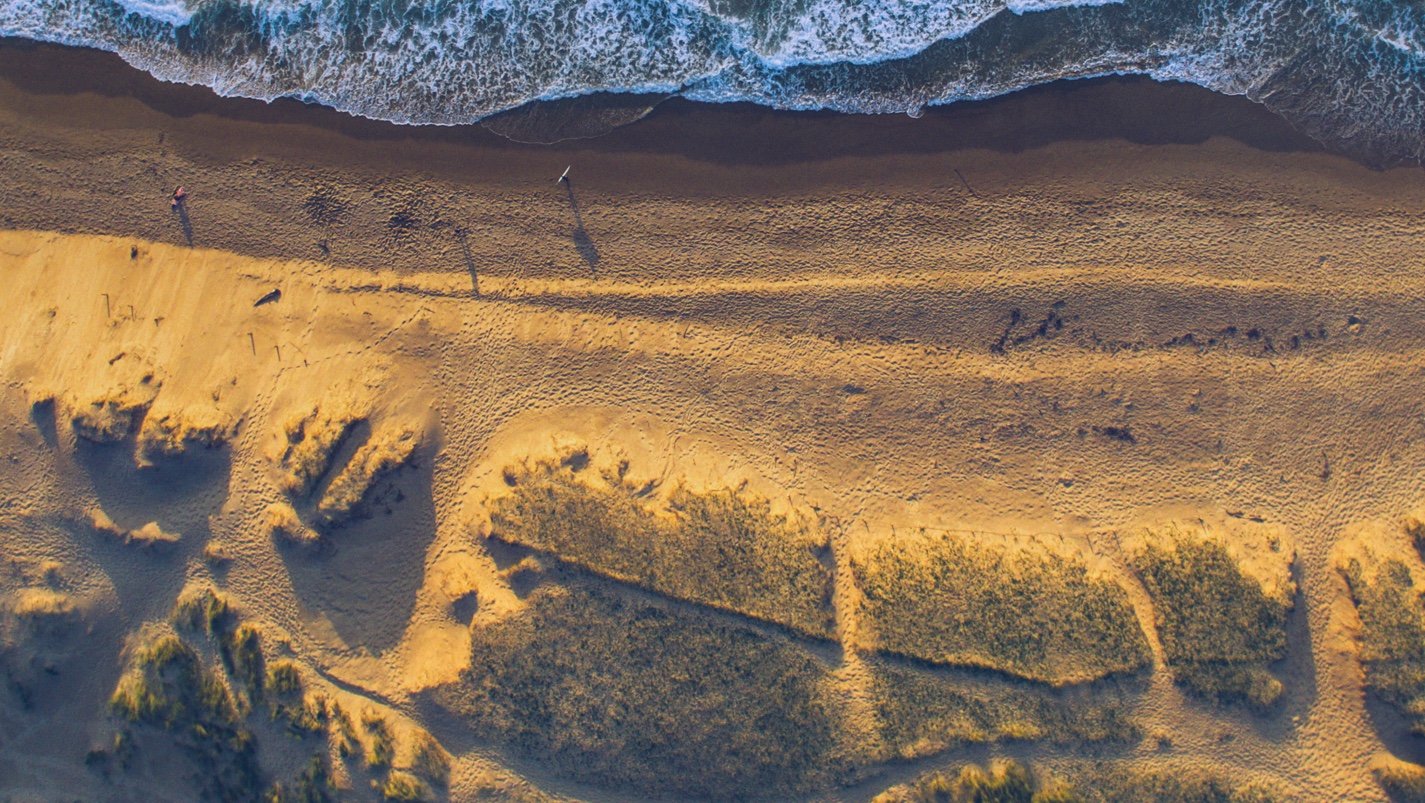
Cascais is a Portuguese municipality some 25 kilometres west of Lisbon. It is now a tourist resort with a host of facilities – extensive beaches and secluded coves, a rugged terrain suited to all kinds of sports, culinary offerings based on quality products and endless leisure options. It also has an exciting history, reminding us that this spot in Portugal was once the refuge of royal families and the nobility and a nest of spies during the Second World War.
Today Cascais is a quiet town dotted with small urban beaches and sheltered from the rough Atlantic by a beautiful bay and a formidable fortress. It is well worth taking a relaxing stroll along the beach known as either La Ribeira or Los Pescadores and discovering its beautiful buildings, notably the Palaces of Condes da Guarda and Seixas.
The ocean is one of Cascais' great assets as it supplies the town with its culinary foundations – fish and seafood, prepared in a special way here. Among the most popular dishes in the region are fresh sea bass and white seabream and the delicious Cascais sole, accompanied by fine garnish. They can be ordered in any of the highly varied array of restaurants in the town, from the simplest, economical eateries to the more refined establishments, where culinary innovation is very much in evidence.
In Cascais harbour you can catch sight of luxury yachts, leisure craft and competition boats, as the town and, by extension, the Coast of Estoril, is a worldwide hub of sailing competitions. Apart from this sport, the waters in this part of the Atlantic attract thousands of surfers (particularly to the beaches of Guincho and Carcavelos), windsurfers, paddle surfers and sports fishing enthusiasts, which is increasingly gaining more devotees. The town harbour is also very lively at nightfall as it is full of restaurants, bars and café terraces, ideal for dining or having a drink.
Home of Kings, Land of Spies
In the late 19th century, this region was a pioneer of tourism in Portugal. Indeed, in 1870, the Portuguese royal family chose the Cascais citadel for their summer residence on account of its excellent location. It was also the destination of the nobility and European families of noble lineage, among them Spain’s monarch in exile, who lived in Villa Giralda for many years.
Apart from being a town that breathes tradition, owing to its geographical situation, during World War II Cascais attracted countless spies, including Ian Fleming (best known for having created the celebrated fiction spy, James Bond) and the Serb Dušan Popov, a hardened womaniser whom Fleming is said to have based his 007 character on. The agents who lived in Cascais followed similar routines. They loved lodging at the elegant Hotel Palácio, having tea and delicious Portuguese pastries at the Pastelaria Garrett and burning the midnight oil in the famous Casino Estoril which witnessed more than one row between the secret agents that gathered there.
On the outskirts of Cascais is the natural vantage point of Boca do Inferno (Hell’s Mouth) and, twenty kilometres further north, Cabo da Roca (Cape Rock), the westernmost tip of continental Europe. This privileged spot, “where the land ends and the sea begins”, as the poet Luís de Camões would have it, affords stunning views of the sunset, reminding onlookers that Cascais is the perfect choice for a relaxing getaway.
Book your Vueling to Lisbon and head for Cascais, where you are sure to succumb to its charm.
Text by Tus Destinos
more info

Santa Catalina el barrio trendy de Palma
Santa Catalina is now Palma’s fashionable quarter. Located just outside the erstwhile walled city west of Palma, in recent years it has undergone a facelift, turning it into a more spacious, more integral, must-visit district of the city.
Owing to its proximity to the harbour, it was originally a fishing quarter. In the 18th century some industrial activity emerged in the area, as evinced by the iconic Es Jonquet windmills and the aptly named Calle Industria. However, it reached the peak of its industrial expansion and development in the late-19th and early-20th century. Dating precisely from that period are the Modernist-style houses spread across the district, some of which were built by the Indianos on their return from Cuba.
Santa Catalina is a district of one- or two-storey houses, with balconies and Majorcan blinds, and small interior gardens or patios. A stroll through its quiet streets attests to an unusual mix of people, including a good number of foreigners that have succumbed to this quaint old fishermen’s quarter and have decided to settle there.
The hub of the area is the Santa Catalina Market, a veritable neighbourhood meeting point. Housed in a building dating from 1920, it preserves much of its original charm and is the ideal place for shopping for fresh, seasonal produce, most of which is sourced locally.
One of the claims to fame of Santa Catalina is the large number of restaurants that have opened there in the last few years, making it the perfect spot for ending a day’s sightseeing through Palma with a rewarding culinary experience. Among the standout venues we find:
Cantina Patrón Lunares. Located on the premises of the mutual benefit society, Montepío del Arrabal, it features highly poetic interior design in which the maritime and industrial past merges to perfection with vintage furniture and craft objects. The restaurant offers traditional island cuisine enhanced with seafood dishes from further afield.
Restaurante Duke. Here, the menu faithfully reflects the taste of the owners, who are great travellers, as it is characterised by dishes from all over the planet. The small interior is decorated with surfing motifs and photos of their journeys and is the perfect spot for eating wholesome food based on original recipes in a peaceful setting. We recommend ending off the meal with a mojito, which are mouth-watering.
Restaurante Hanaita. Despite the plain, rather dowdy decor of this small venue, it is undoubtedly one of the best Japanese restaurants in Palma, featuring excellent quality dishes.
Restaurante Xoriguer. Located on the Calle Fábrica, this is one of Palma’s classics. It also features some excellent, traditional Basque cuisine, and a wide variety of splendid meat dishes, including the best Kobe and Black Angus beef.
Gin Burger. As its name suggests, this cosy, modern locale offers delicious hamburgers which you can wash down with a magnificent gin tonic – they carry a large variety of gins. The venue is suitable for all guests, including vegetarians and celiacs, who have also been catered for on the menu.
Apart from its culinary offerings, Santa Catalina has also become a hub of the city’s artistic activity, which is centred around the Teatro Mar i Terra.
Now that you’re genned up about Palma’s trendiest district, all that’s left is for you to book your Vueling and enjoy it.
Text by Los Viajes de ISABELYLUIS
Images by Fabian Walden, Cantina Patrón Lunares, Fernando Vesga
more info

Kalinka, Kalinka, Kalinka moyá
¡Kalinka, Kalinka, Kalinka moyá! Can't get Tetri´s song out of your head? Easy..., the same thing happens to us as well. We have just landed in Moscow and we are going to eat a lot! Going out in Moscow and try some restaurants can be an amazing and enriching experience where you will discover both the delicious flavors of Russian cuisine and customs of the Russians, which may seem a little peculiar.
The dishes of Russian cuisine are usually quite caloric, due to the harsh winters where greater caloric intake is needed. The Russians give much importance to the ritual of food and like to make life around the stove.
A typical meal starts with a Russian zakuski (appetizers) that can be salads, and small plates of pickled fish like pod Seliódka shuboi (herring coat) or a pirogi (dumplings) meat with vegetables, and always accompanied by a good shots of vodka.
As is typical starter soups, both hot and cold in winter and summer. Russian soups are very strong and more than a starter for us are almost a full meal, since all carry vegetables, meat, chicken, fish ... The most popular are the borsch, made of beets, cabbage, potato and meat; and solianka, made of meat or fish, with an acidic due to the lemmon they put on it. Another soup is shi made of cabbage and Uja, made of fish.
Main courses can be stroganoff meat, shasliki (a typical meat kebabs from Caucasus), golubtsi (cabbage leaves stuffed with meat) or the dish we liked the most: pelmeni (a kind of Russian ravioli filled with meat, potato or vegetable)
Many dishes can be served with smetana, a sour cream sauce flavored particular that we loved. The most popular drink in Russia, in spite of the general though, it's not the vodka but the tea. For dessert, along with tea, you can taste some delicious blini (pancakes) or marlenka cake, something like a strudel.
My-My
At Mu-Mu restaurants they serve typical Russian food. It is a self-service restaurant with tiny portions, so it is ideal to try different dishes. They are very popular among Muscovites and it is well priced.
Jachapuri,10 Bolshoi Gnezdnikovsky per.
It is a nice and central Georgian food restaurant. The food is very good and it is not too expensive. Totally recommended.
Pushkin Cafe, Tverskoy bulvar, 26A
It is considered the best restaurant in Moscow. It is a nice vintage place, very well preserved where can you can taste high level dishes of the Russian cuisine. Good service and medium-high but reasonable price.
A couple of features to consider when venturing out for lunch or dinner in Moscow: dinner can be served until the minute they close the place, but they will not wait until you finish the meal, so if you do not want to have to swallow all in five minutes, we recommend not arrive too late. Russians do not like you to pay them with coins, so if you're planning to spend those last loose rubles at a dinner, do better buying souvenirs in Red Square, or you will receive disapproving look from the waiter.
Приятного аппетита!!
By Nadia Polo
solianka by Шнапс | stroganoff by Pittaya Sroilong | zakuski by Timothy Post | pelmeni by Bernd Hutschenreuther
Makes you want to go, right? Do it! Check out our prices here!
more info
LouvainYoungFlemish
Louvain, regarded as the Flemish Salamanca for its large student population during the academic year, is the ideal destination to head for on a getaway to Brussels as it is less than half an hour’s train ride away.
Louvain and its University
The university is a major feature of Louvain (Leuven, in Flemish). Not only is it a historic institution – it was founded in 1425 – but an international student magnet as it attracts large numbers of foreign Erasmus scholarship holders each year. Many of these will be unaware that Erasmus of Rotterdam, after whom the exchange programme of almost thirty years’ standing is named, actually used to lecture at Louvain University.
No wonder, then, that the population of this Flemish city increases by around 20,000 youngsters at the start of each academic year. They study during the day and hit the town by night, turning Louvain into one of the most fun spots in Europe. Come heat or cold, many of these students congregate in the Oude Markt, a square packed with cafés, pubs and restaurants, compounding what is considered to be Europe’s longest bar counter.
In the morning, many of these students make up for the previous night’s debauchery in the library, located in the Monseigneur Ladeuzeplein square. The library building, formerly sited on the Naamsestraat, was destroyed in World War I and rebuilt with Belgian and American funding. The square is embellished by a striking landmark – a beetle pierced by a huge, three-meter-high needle. It was unveiled in 2005 to mark the 575th anniversary of the University.
Louvain’s Historic City Centre
Some of the most emblematic buildings in Louvain, the capital of Flemish-Brabant province, are located in the Grote Markt or Main Square. The most remarkable landmark is the City Hall, an example of the mid-15th-century Brabantine Gothic, with over 230 small sculptures adorning the facade. Noteworthy, too, is St Peter’s Church with its unfinished, low belltower and the Neoclassical building known as the Round Table (Tafelrond), currently the site of the National Bank. Starting from the Grote Markt, if you head along Bondgenotenlaan street, you come to Martelarenplein (Martyrs’ Square) with its marked Spanish air, redesigned as it was by the architect, Manuel de Solà-Morales, between 1998 and 2004.
Like the city of Mechelen, Louvain has a magnificent, 12th-century Grand Béguinage. This secluded precinct is just a fifteen minute walk from the centre and once housed the Beguines, a female religious community that led an austere life. Covering an area of six hectares, the Grand Béguinage is now the residence of many exchange professors and Erasmus students. Bear in mind that Flemish beguinages are listed as World Heritage Sites by UNESCO.
Other places of interest include St Gertrude’s Abbey, the Church of St Michael – a masterpiece of the Flemish Baroque – and the statue of Fons Sapientiae (Source of Wisdom), by the Belgian artist, Jef Claerhout, which is decked out in different costumes at various times of the year.
Gastronomy and Beer in Louvain
Beer is a must in Louvain, and several beer routes have been set up, including a tour of the Domus brewery and that of Stella Artois, the best known brand in the city. Several restaurants in town offer menus paired with local beer, notably Zarza and EssenCiel, the latter situated on the crowded Muntstraat.
Now that you know how to find your way around Louvain, get your Vueling to Brussels and enjoy the university city!
Text by María Jesús Torné from tusdestinos.net
Images by Toerisme Leuven, Frédéric Van Hoof, milo-profi.be
more info