
THE BALEARICS, AN IDEAL DESTINATION FOR GASTRONOMY TOURISM
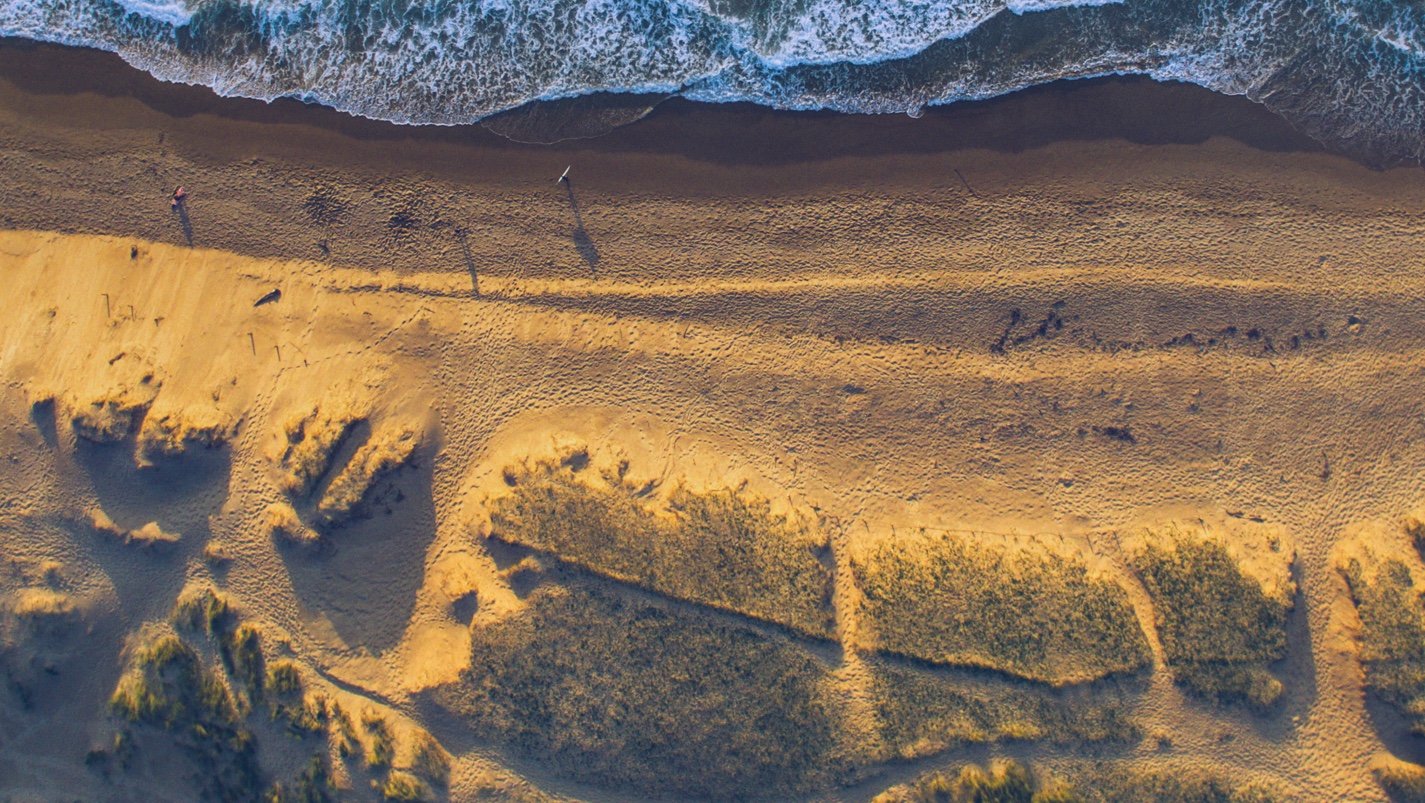
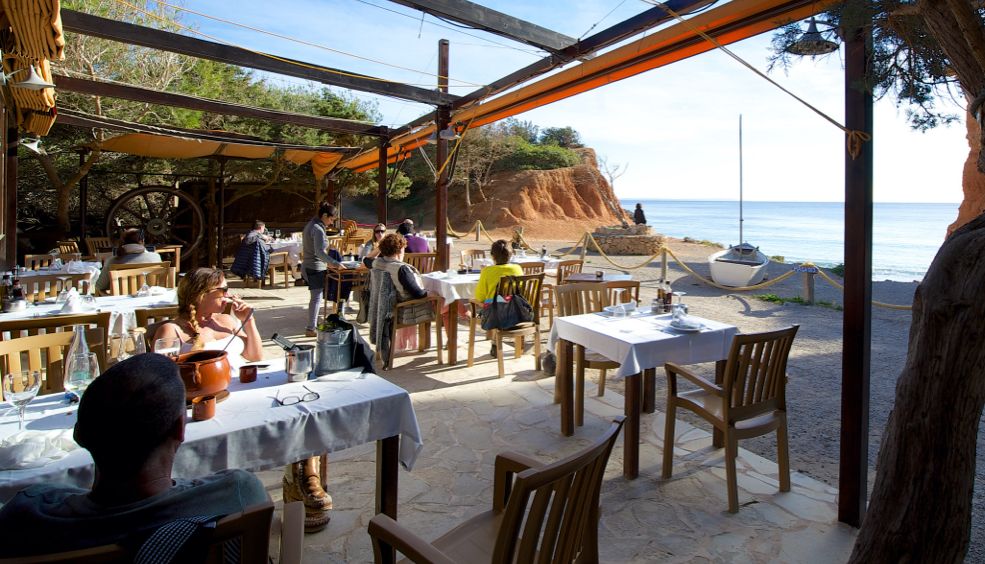
With an enormous quantity of products and dishes, plus lots of differents markets and fairs, the Balearics are a perfect destination for lovers of gastronomy tourism, and not just in summer.
more info
Ibiza beyond the parties: a slow gastro route
As a destination loved by many, misunderstood by others and unknown to the vast majority of mortals, Ibiza is paradise of lemon and carob trees, figs and salt. A gastronomic island eager to share everything it knows about what the land and sea have to offer in the way of cuisine. Just a stone's throw away - or a flight away with Vueling.
more info
The Best Monas de Pascua in Alicante
Traditional festivities often go hand-in-hand with culinary delights, as is the case with the mona de Pascua, associated with Easter Monday, when the custom is for men to gift one of these cakes to their godchildren. Eating the mona de Pascua ushers in the end of Lent and fasting.
Themonais eaten in various regions of Spain, including Catalonia, the Balearic Islands, Aragon, Murcia and Valencia, each with their own recipe and peculiarity. In Catalonia, the chocolate mona prevails, while in Valencia they resemble a sweet bun, most of them made of flour, sugar, eggs and salt.
The Tradition in Alicante
Several types ofmonaare made in the Community of Valencia, although the panquemado or toña are available all year around in bakeries and pastry shops. But the variety that appear at Easter are more elaborate and decorative. They are usually either elongated or round and dusted withanisetes(aniseed candies). Those made for children come in amusing, attractive shapes, such as monkeys, snakes or lizards, with a hard-boiled egg embedded in their mouths.
In Alicante and, in general, throughout the Levante (south-eastern seaboard), the custom is to go on an outing in the countryside or hills on the Day of the Mona. Families and friends meet to eat the traditional confectionery in nearby nature areas, including the Sierra de Callosa, the Pinada de Guardamar and the Sierra del Maigmó.
One amusing custom is to break the hard-boiled egg that comes with the mona on a friend’s or family member’s head. They say that some bakers garnish their monas with raw eggs to make the situation even more entertaining. The ritual dictates that the aggressor recite the verse: “Ací em pica, ací em cou i ací t’esclafe l’ou” (Here I’m itching, here I’m smarting and here I break the egg over you).
The Best Pastry Shops in Alicante to Buy Monas and other Confectionery
In Alicante, the pastry shops vie with one another to produce the best monas and display them in their shop windows. One of the most acclaimed ones in the city is Prefiero Sussu, owned by José Manuel Samper, at number 3, calle Pintor Baez. It is a landmark of the best pastries and has won several awards for its delicious toñas. At Sussu they also make one of the finest croissants in Spain. Fresh out of the oven, the taste of butter is unmistakeable, as margarine is not allowed into the Prefiero Sussu bakery under any circumstance.
Horno Rafelet, at 57 calle Maestro Alonso, is a family concern in operation since 1932 where some exquisite homemade products are made. It stands out from the rest because of the traditional recipes they follow and their fine baking.
In the town of Orihuela, in Alicante province, we find what are reputed to be the best toñas in the province. They come from the bakery of El Horno del Obispo, which has been operating since 1850, located in the historic centre of Orihuela. It shares the accolade for the best toñas in Alicante with El Angel, also located in that town. If you visit Orihuela, you should also taste their typical confectionery, known as chato de Orihuela.
How about the Gluten-free Variety?
If you’re looking for gluten- and lactose-free monas de Pascua, there are some delicious ones in the Pastelería José María García, at 46 avenida de Novelda. Their bakery follows homemade recipes based on natural products.
What are you waiting for? Check out our prices here!
Text by Scanner FM
Images by Horno Rafelet, La Murciana and Pastelería Torreblanca
more info

The 7 lighthouses of Menorca
Menorca's lighthouses are part of the island's environment and its rugged coastline. That is why they are located in some of the most beautiful and wild areas, turning your route into an encounter with Menorca's nature and its diverse landscapes. Beyond the first function to point the way to the boats, they form a unique postcard in the already beautiful coast of Menorca.
All lighthouses are managed by the Port Authority of the Balearic Islands and on their website you can find the technical specifications of each.
Favàritx Ligthouse
Its location in the natural setting of the Natural Park of s’Albufera des Grau, the wettest part of Menorca, about 20 miles north of Mahon, makes it one of the most visited.
Key Point of the Island’s Biosphere’s Reserve, here we find a variety of waterfowl and raptors such as the osprey, the kite or the booted eagle
Cavalleria Lighthouse
About 14 kilometers from Es Mercadal, at the southernmost tip of the island, this impressive lighthouse stands on a cliff over 80 meters and with fantastic views over the sea.
If you visit the lighthouse of Cavalleria you will observe a curiosity: a few piles of stones facing the sea will surprised you. They are build by the tourists who come to the lighthouse because, according to tradition, who creates these forms and expresses the desire to return to Menorca to the Lighthouse, will see their wish come true.
Punta Nati Lighthouse
Opened in 1913, its creation comes from a tragic accident. And it is because in this area of strong winds and ocean currents the modern French Général Chanzy steam was wrecked by a big storm three years before.
Days with strong wind from the north you can enjoy a natural spectacle when the crack near the lighthouse ejects water with great force, in a sort of bufador lambasting the headlight, which sometimes has been damaged by the pressure.
Illa de l'Aire Lightouse
On Mahon’s south, in the town of Sant Lluis, there is the touristic Platja de Punta Prima. From here you can observe perfectly Illa de l'Aire and its lighthouse’s silhouette surrounded by turquoise waters and rich marine life.
One feature of the island is to house an endemic species of Menorca and Mallorca: black lizard. But not only the small reptile inhabits the island, it also houses numerous birds on their migratory path.
Artrutx Lighthouse
With carachteristic thick black and white stripes, the lighthouse Artrutx is 7 kilometers from Ciutadella. It was built in the mid nineteenth century, in 1858, and at first, it worked with oil until 1930 that electricity came to the lighthouse. Now the Artrutx Lighthouse it is part of the historical heritage of Menorca.
Near the lighthouse there are the coves den Bosch and Son Xoriguer, one that has the greater waves and therefore enables windsurfing.
Sa Farola
It is located on the seafront of Sa Farola so you can get there calmly strolling about 30 minutes from the center of Ciutadella. During the trip you can enjoy the beautiful scenery or a swim in the Caleta es Frares with its platforms for the bathers located halfway.
Sant Carles or Mahon Lighthouse
Considered to be the first lighthouse on the island, it was built in 1852 on the ruins of Castell de Sant Felip, on the tip of Sant Carles. After some discussion about its location, it was replaced by a metal tower of black and white stripes.
Near the lighthouse there is Fort Marlborough, a unique hexagonal shape building surrounded by a trench dug in the ground and built by the British between 1710 and 1716, with galleries that you can visit.
Pictures by www.portsdebalears.com
Why not take a trip to Menorca? Have a look at our flights here!
more info