
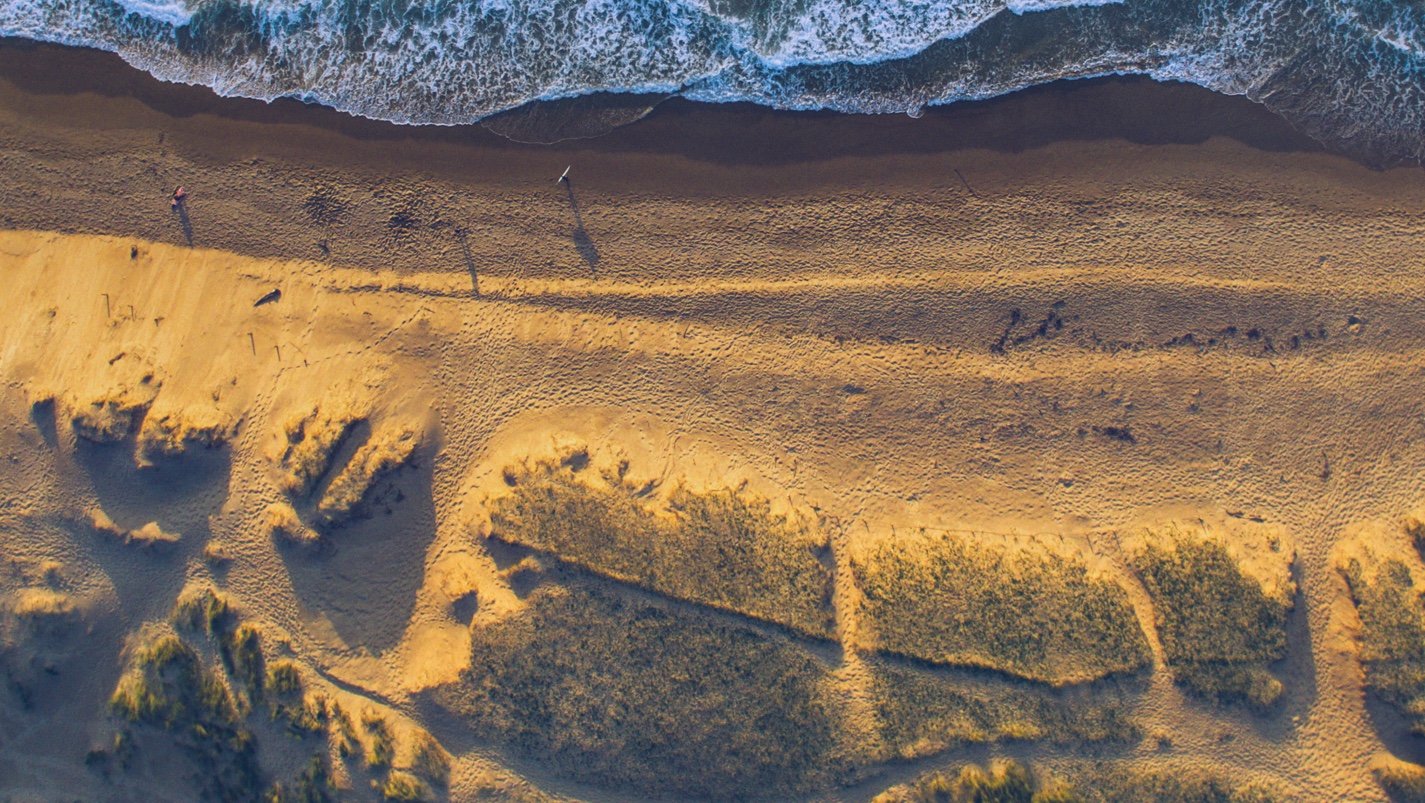

TREAT YOUR LOVED ONE TO THE MOST BEAUTIFUL SKIES (AND STARS!) THIS VALENTINE'S DAY
You could buy flowers or chocolates, but we've got a better idea: this Valentine's Day give something that won't wilt and that isn't bad for you... a super romantic getaway to gaze at the stars from the most incredible places.
more info
Seville’s Unique Flavour
By Belén Parra from gastronomistas
Seville’s unique character will hit you as soon as you arrive. Or when you hear that melody; the one you just know will stay with you on your journey, like a memory. Seville is replete with singular colours, aromas and flavours. It is exalting and magical, and pure art. It is all consuming and prevailing. From pre-dinner drinks then onto tapas and the marcha that lasts well into the night. From the small plates of russian salad and patatas bravas in between glasses of rebujito (sherry and soda), cold beer and red wine. And lets not forget the music and dance of flamenco and the sheer joy of the locals who, in a short time, will have you clapping your hands right along with them. Seville makes you forget yourself and gives meaning to life, because in the capital of Andalucía enjoyment is obligatory. Lose yourself in its small streets, landmark monuments, hidden corners and best tables. Whether you are here for a few days or a long stay, experience Seville with a passion.
WHERE TO EAT:
Tradevo. This gastro-tavern is a city institution – as much for locals who appreciate great cuisine as the city’s chefs who come to chew over their trade. The menu fuses tradition and modernity in reasonably priced ‘small plates’ of generous servings and beautiful presentation. Although Travedo is situated out of the tourist zone, it can be hard to get a table (or even a stool at the bar). The salmorejo (a thicker, creamier gazpacho) is to die for, as are daily specials and rice dishes.
Plaza Pintor Amalio García del Moral, 2.
La Pepona Tapas. Situated in the city centre, La Pepona Tapas excels in using local produce in dishes that hail from other parts of the country. It is one of the few places that understand the importance of a good aperitif. Its bodega boasts a fantastic wine selection (especially varieties from Jerez) that can be enjoyed by the glass or half glass – making it a good place to taste local vinos.
Javier Lasso de la Vega, 1.
La Fábrica. La Fábrica belongs to the same groups as Besana Tapas – the ‘tapas temple’ situated in Utrea, a few kilometres from Seville. Located in the buzzing neighbourhood of Alameda, epicentre of the city’s nightlife, it offers non-stop gourmet sandwiches, from breakfast to supper.
Correduría, 1.
Ena. Ena is a new ‘gastro space’ inside the imposing Hotel Alfonso XIII. Having fallen in love with Seville, Carles Abellán from Catalonia has taken on the role of executive chef. For the menu, he has reinterpreted some classic Andalucian dishes and incorporated some of his own famous tapas creations, such as spicy patatas bravas and toasted ham and cheese sandwiches infused with truffle oil. On top of offering an unbeatable setting, Ena has some of the best bartenders in the country. (A cocktail, either pre or post dinner, is imperative). Leave room for the ‘solid’ sangria or another of Abellán’s amusing desserts. Hotel Alfonso XIII. San Fernando, 2.
La Mojigata. A simple, unassuming place where food takes prime place. The tapas changes daily according to produce available in the market, yet always surprises with artful combinations and presentation. The wine list has been carefully edited by the president of the Sommeliers Association of Andalucía.
Moratín, 15.
WHERE TO HAVE A DRINK:
Eme. With views of the Cathedral and the Giralda, the terrace of this hotel is the place to see and be seen. Smart casual dress and atmosphere.
Alemanes, 27.
Inglaterra. Another hotel that stands out on the Plaza Nueva. Go to the top floor to enjoy wide views over a long drink. The chilled out Inglaterra is the perfect place toescape the heat and the city rush.
Plaza Nueva, 7.
Las Casas del Rey de Baeza. Stroll through the historic city centre to this hotel, run by the Hospes Group, on the Plaza de la Redención. Converted from a series of period mansions, it has retained a rustic air and affords a calm ambiance that invites lingering. The patio is the best place to order a glass of wine accompanied by some delicious croquettes prepared by the Azahar restaurant. Or head up to the roof with its swimming pool and cocktail bar.
Plaza Jesús de la Redención, 2.
Bar Americano. We like its cocktail list, or more precisely, its selection of Cócteles de Cine that have been inspired by films shot in Seville. Bar Americano is a distinguished spot. Sophisticated and serene, it was instilled inside the Alfonso XIII during its most recent (and ambitious) renovation. It is perfect for a relaxed drink over conversation.
Hotel Alfonso XIII. San Fernando, 2.
WHERE TO SLEEP:
BarcelóRenacimiento.
Avda. Álvaro Alonso Barba, S/N.
Modern, functional and with all the services you could ever need; the Barceló Renacimientois a five star worth its salt for those who want everything at their fingertips. Situated a few steps from the Isla Mágica fun park, the Guadalquivir River and y La Alameda, its impressive installations include an open air swimming pool. Made to order breakfasts, free wifi, spacious rooms, various leisure and business areas, gardens and singular architecture present an enticing package.
WHERE TO HAVE A FOODIE TREAT:
A crema sevillana ice cream from the artisan ice-cream makers La Fiorentina.
Zaragoza, 16.
A brioche, butter or anchovy bread from Pan y Più, a traditional bakery with French and Italian influences
Cabeza del Rey Don Pedro.
Rosquillas, pain au chocolat, or cream cake (pastel de nata) at La Dulcería de Manu Jara.
Pureza, 5.
Why not take a trip to Sevilla? Have a look at our flights here!

Historia y vino en Saint Émilion
Named after a monk –Émilion, a sort of Robin Hood – this locality lies some 38 kilometres from Bordeaux, from which it can be reached by either car or train in about half an hour. By strolling through its steep, cobbled streets, the visitor becomes immersed in history… and wine. The aroma of Bacchus wafts through the whole town, located among vineyards planted with the Merlot, Cabernet Franc and Cabernet Sauvignon grape varieties.
You can soak up most of its charms in a single day, but I assure you that you will want to stay there forever. Much of Saint-Émilion’s history lies buried in the earth, conjuring up a past full of Masonic societies and secret grottos swathed in an air of mystery, adding to the appeal of this World Heritage Site town.
Subterranean Worlds
A must-visit sight is the Monolithic Church, the largest of its kind in Europe. Carved out of a cliff, you cannot possibly imagine its sheer size from the outside. This architectural jewel also houses catacombs where the ancient nobles were buried. Guided tours are available in various languages and tickets can be purchased at the tourist office. They are well worth getting. The guided tour in Spanish always starts at 12 a.m.
If you are an enthusiast of underground worlds, you can also visit a number of wine cellars, notably the Chateau Cardinal Villemaurine, Clos des Menuts and Maison Galhaud, to name but a few. In all, there are over 100 châteaux where you can taste all kinds of wines with the DO Saint Émilion. A word of warning – during the tastings, remember to spit out the wine from time to time, to avoid it going to your head and having to regret something you did the day before.
Strolling Through the Town
The area surrounding the town offers picture postcard scenery and romantic walks. Strolling up and down the steep streets holding hands with your partner makes for what feels like an obstacle race over uneven cobblestones, as if it were a metaphor of love.
Your stroll will lead you to the Gate de La Cadène, an archway separating the upper part of the town, home to the wealthy classes, from the lower part, inhabited by the peasants.
In the Middle Ages, Saint-Émilion was defended by a fortified enclosure, the wall stretching some 1,500 metres. Access to the town was via six gates – the Porte Bourgeoise in the north, Porte Brunet in the east, Chanoines and Saint-Martin in the west, and Porte Bouqueyre or Bouquière and Sainte-Marie in the south. The Porte Brunet, which leads into the vineyards, is the only one which has been preserved virtually intact. It is well worth coming to this side of the town where all you can hear is the sound of bird song.
Another monument visible from most of the town is the King’s Tower. You can visit the top for €1.5 and soak up the views, which leave you speechless.
Macaroons For Afternoon Tea
Before Ladurée reinvented the formula, making them double and in various colours and flavours, macarons had long existed as a spongy almond biscuit with a great tradition in towns such as Saint-Émilion. In the 17th century, the Ursuline nuns in this locality were tasked with harvesting the almonds and using them in their pastries, which is how macaroons were created. They are still famous throughout the region. You can purchase them in two shops with a long-standing tradition in the town – Matthieu Mouliérac and Fabrique des Véritables Macarons. If you are really sweet-toothed and still require a further injection of sugar, try their canelés, small pastries typical of Bordeaux. The recipe was also developed by a monastic order, this time in the 16th century. Absolutely delicieux!
Brasseries, Foie Gras and Cheese For Dinner
There are numerous restaurants offering traditional cuisine, as well as brasseries, the ideal venues for having canard (duck) and entrecôte. If you fancy eating typical French cheeses, some foie gras and even some oysters while tasting a selection of wines, the restaurant L’Envers du Décor is the ideal spot. They have a small patio for warm summer evenings and their wine list is as long as a Cervantes novel. Let the waiter recommend what to order and abandon yourself to the aromas of Dionysius.
Discover the joie de vivre, book your Vueling to Bordeaux and have a good time!
Text by Miriam Arcera for Los Viajes de ISABELYLUIS
Photos by Antonio Caballero
more info

Calle Feria Market route
Seville is home to a special colour, wonderful people, genuine bars and well kept secrets like the Market in calle Feria. Seville is brimming with magic, charm, spirit and Andalusian pride like very few other Mediterranean cities. Everyone who lives there feels very proud to be Sevillian and would never swap their city for any other. It doesn’t matter if you are a native of Seville or have just arrived from another part of the world, the important thing is to be Sevillian, to feel like a Sevillian and to die a Sevillian.
Let’s discover a part of Seville recommended to us by the festival organisers Territorios Sevilla, the Seville of the Encarnación district, the Market in calle Feria.
We start in the Plaza de la Encarnación, known locally as “plaza de la seta” (mushroom square).
On the day we visited and just like in many other squares in other Spanish cities, a silent and peaceful protest was taking place by the so-called 15-M movement. The Sevillians are proud of this square to which they have given the nickname ‘la plaza de la seta’ and it is the gateway to the Encarnación district. We head to the market in calle Feria because Maider from Territorios Sevilla has recommended it as the perfect spot to savour the local tapas. The area is very well known amongst Seville’s local population and it is off the usual beaten tourist tracks.
2. Reinas
As we head in the direction of the market, we stumble across a place that forces us to make a stop. The place in question is called Reinas and has a very stylish type of wine cellar. We chat with Antonio who tells us a little bit about the philosophy of Reinas. The general concept is to suggest good wines and offer cold dishes that complement the wine being recommended. At Reinas, it is the wine that defines the food – not the other way around. Antonio is a lover of wine and food and it could be said he belongs to the good living club.
Continuing along the same street a bit further on we come across a book shop specialising in art: Un Gato en Bicicleta.
It seems like we have embarked on a journey down the perfect street, two special places within metres of each other. This is confirmed when just a little way further down the street we find Botellas y Latas and between the owner Carlos and his local Sevillian customers, we learn about the marvels of the place: Botellas y Latas is another of Seville’s hidden treasures definitely worth a visit.
Between the warmth of the Sevillian people and the heat of the sun, a stop for a cool beer en route to the calle Feria Market is an absolute must. Casa Vizcaíno is the ideal spot to try an Andalusian beer. The place is spectacular with its carpet of peanut shells on the floor, thus making it as one of those highly recommendable, traditional bars to be found in the Andalusian capital.
Finally we arrive at the Calle Feria Market and it seems like we have found the perfect location to eat in Seville. Good food, warm people, welcoming surroundings, informal and grilled sardines to die for. Worth mentioning is the stall we had something to eat at, the Bar La Cantina with its exquisite food, friendly service, wonderful terrace and the lovely warm ambience among its clientele.
The sun beats down and following the directions given to us by the locals, we return to the plaza de la Encarnación by a different route where we discover more authentic shops in the Andalusian capital, a good old fashioned chocolate shop called El Comercio and a charming square called la plaza del Pan where you can sit in the shade and enjoy a good cup of coffee.
Image: Liu Yu Cheng
Why not take a trip to Sevilla? Have a look at our flights here!
more info