

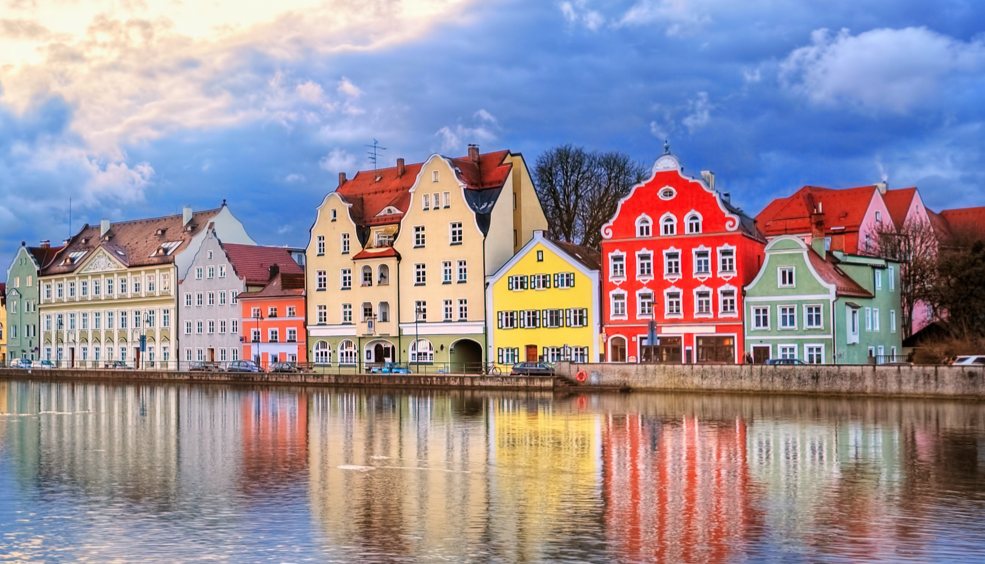
FIVE OFFBEAT WEEKEND DESTINATIONS (FOR SOMETHING DIFFERENT)
Looking for a different kind of destination to get away? Keen to discover somewhere new? Pack your bag and head to these cities which you've probably never visited.
more info
Five destinations to ski and do some sightseeing as well
Escape for a few days to the best ski resorts in Europe and discover some new places while you're there. There's time for everything!
more info
Spittelberg y otras zonas gastro-molonas de Viena
By Silvia Artaza from gastronomistas
We thought we’d fly to the Austrian capital to discover those routes that take us beyond the city’s glittering imperial and classical legacy, beyond St. Stephen’s Cathedral, and the giant ferris wheel in the Prater park. And to be sure, we found streets, neighbourhoods, and very modern projects un which all sorts of interestingly hip restaurants have sprung up, many of them quite wunderbar.
Naschmarkt and Freihausviertel
We began our tour in the Naschmarkt, the city’s best-known food market, which has become a meeting spot for all sorts of people. It’s the place to buy fruit and vegetables, but also to sample exotic cooking from all over the world, as more and more eating places are to be found amongst the market’s 120 stalls. Particularly noteworthy are Neni, with dishes from Israel and the Orient, and the “ecological” cuisine of Tewa. But the best approach is to walk around the market with your nose on the alert for the aromas that most strike your fancy. There are even more places to eat on the streets near the market, such as the spectacular On Market, specialising in Asian food, or the Café Amacord, for Viennese treats in a setting heavy with local atmosphere.
Leaving Naschmarkt, we headed for Schleifmühlgasse to find a street that is also famous for small, exquisite Indie restaurants with very tempting fare behind the show windows. One such is Babette's, a shop selling cookbooks, spices, and other items where hot food is also served, and then there’s Coté Sud with its tasty French dishes. More temptations await you on other streets of the Freihausviertel son interesantes en la ruta.
Karmelitermarkt
Like Naschmarkt, another market taking on a whole new life is Karmelitermarkt, on the other side of the Danube in District 2 (Leopoldstadt). Check out Schöne Perle, with its home-cooking interpretation of traditional Viennese cuisine, and the organic, seasonal fare offered at Zimmer 37, There are many more surprises for you on the lively, nearby streets of Praterstraβe and Leopoldsgasse.
MuseumsQuartier
Another spot worth a visit it MuseumsQuartier (MQ), a cultural enclave with numerous museums and exhibitions of a wide variety of artistic disciplines, and also brimming with the most inviting cafes and restaurants. In the courtyard, mulled wine is served these days at the Christmas market, to the music of a DJ, and in the summers you can even rent hammock space there for serious chilling. Glacis Beisl, though almost hidden in the rear part of MQ, is usually fully booked by people anxious to partake of its local and international dishes at very affordable prices in a pleasant atmosphere. If you can get a table, this is a great place to eat after a morning visiting museums.
Spittelberg
Jus behind MuseumsQuartieris the charmingly Bohemian Spittelberg, consisting of a few cobbled streets enclosed by Burgasse, Breite Gasse, Sigmundsgasse and Mariahilter. Here you’ll find a wide choice of dining options, amongst then Amerlingbeisl with its lovely courtyard, Das Möbel with its original furniture, and all for sale, Die Burgermacher for delicious hamburgers and also vegetarian dishes and a fresh “special of the day”, and Trattoria da Paolo & Anna a small Italian restaurant with chequered tablecloths and delicious food.
And if you come at Christmas time…
At Spittelberg you’ll find one of the city’s best Christmas markets, specialising in handcrafted items. Another busy and festive Christmas market is that of Rathausplatz, with 150 stalls selling decorations, gifts, and sweets treats of every variety. You should try the hot wine (Glünwein) and the Viennese pasty –you can’t leave Vienna without sampling the Apfelstrudel, and here you’ll find it at its very best.
Makes you want to go, right? Do it! Check out our prices here!
more info
5 Stews To Beat The Cold In Madrid
Well, yes – Madrid’s culinary offerings can be overwhelming. Between glasses of beer and tapas – which come in all shapes and sizes – we often forget to set aside some time for delighting in the Madrilenian stew known as a cocido, an essential classic here. This hypercaloric dish, made up of soup, chickpeas and a variety of meat and vegetables, pampered over a long, low fire and served up in two or three scoops, in venues that can vary from vintage to chic, is one of those gastronomic experiences you are not likely to regret. If you happen to be in an eatery which does not specialise in this tasty stew, bear in mind that it usually appears with the onset of the cold weather (October) and lasts until the early heat in May. No wonder, as the dish is purpose designed to beat the cold and build up your strength, so that restaurants offer it as a seasonal delight. Here, then, is a selection of some of the spots where you can enjoy a great cocido.Bon appetit!
La Bola
Located in the area of the Palacio Real and the Plaza de Oriente, La Bola is one of the most popular cocido eateries in Madrid and a compulsory destination on any wish-list for this much loved stew. Founded in 1870, its outstanding feature when compared to the same dish in other restaurants is that it is made adhering to a strictly traditional method, cooked over a charcoal fire in individual stewpots.
Lhardy
Our second option is a venue that has also been open for many years. Founded in 1839, it offers both cocidos and other delicacies. Located on Carrera de San Jerónimo, Lhardy is just a stone’s throw from the Puerta del Sol. It boasts some magnificent classical-style salons, attesting to the fact that cocido can also be an elegant dish, particularly when you eat it using silver tableware. Royal figures such as Isabella II and Alfonso XII have graced these fine, history-packed premises, where they serve up a delicious and surprisingly light stew which is well worth the price.
Malacatín
Open since 1895, Malacatín is a small restaurant in the district known as La Latina which oozes venerable charm throughout. The cocido ladled up in three scoops is celebrated both for its excellence and generous helpings, so hungry guests are not likely to leave the eatery in a hurry. Their prices are more than reasonable compared to the competition and there is a story doing the rounds that whoever manages to finish a whole cocido here will have it on the house.
Casa Carola
While running for far fewer years than the previous spot – it opened in 1998 – the Casa Carola matches others restaurants for quality. It is situated in the heart of the Salamanca quarter and is a surefire destination for anyone wishing to try an exquisite variety of this dish. Their cocido is served in three scoops and among its star ingredients are their fabulous homegrown chickpeas from Segovia.
La Gran Tasca
Open since 1942, La Gran Tasca is another must-visit eatery for seekers of fine cocidos in Madrid. Located in the Chamberí district, their stew is ladled up in two helpings and is up there with the greatest, particularly their excellent soup. The interior design is markedly traditional, including bullfighting motifs.
Book your Vueling to Madrid and get ready to taste one of the most traditional dishes in town.
Text by Los Viajes de ISABELYLUIS
more info