

Top 5 Gastronomy Or Why Lanzarote Is An Indie Destination
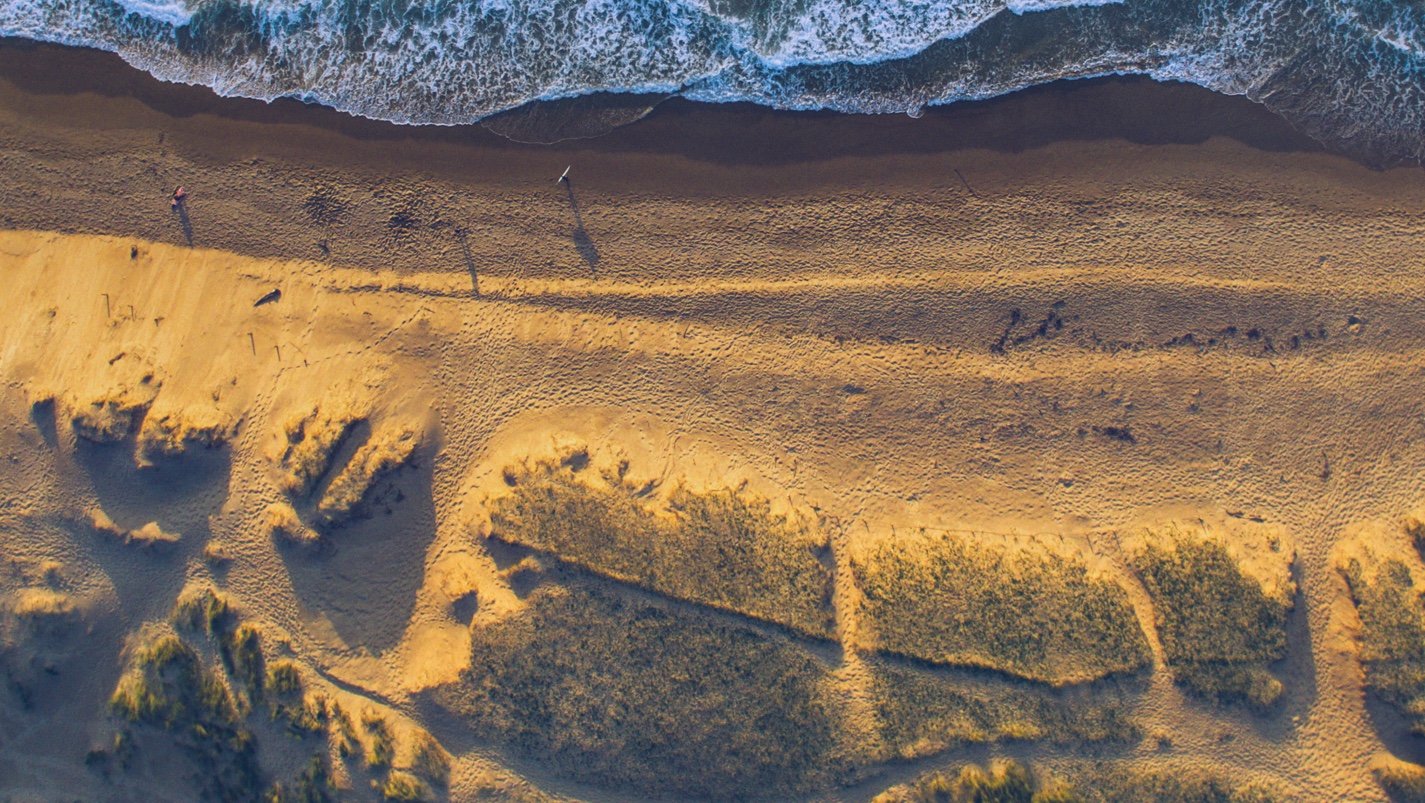
“The moon? Mars? Iceland? No, it’s Lanzarote!” You will often catch yourself thinking this as you roam this fascinating island along roads traversing uninhabited places, without anyone for miles around you. You will also wonder what it might be like to live in this pleasant land of disturbing beauty, surrounded everywhere by raging Atlantic waves relished by surfers from all over the world.
Tracts of lunar land alternating with stretches of desert, and others carpeted in vegetation, where palm trees stand side by side with lava fields, wild beaches, small fishing villages and, of course, the ubiquitous seaside developments catering to mass tourism.
And, as you contemplate the impossible patterns forged by centuries of intermittent lava flows in the rocks, and you hear the roar of the waves while munching on papas con mojo,you regret that the incomprehensible tourist dynamic should have earmarked Lanzarote as the almost exclusive preserve of family holidaymakers and honeymoon couples. That is when you wish Lanzarote would bare its Indie streak, without renouncing its conventionalism, and that we “Peninsulars” – that is what we have been dubbed by the witty locals – would make the trip at least once a year to this island overflowing with charm, which also has its less predictable side. And this chart of rankings proves it.
1- El Chupadero. Its owner, Barbara, is a former model and erstwhile German New Yorker. One day in the eighties, she came across a derelict building in the middle of the island and fell prey to its charm. She decided to refurbish it with her own hands and settle there permanently, along with her two small children. That was how this restaurant was born, unwittingly hipster to the marrow, where every corner is a marvel of good taste and the menu the epitome of indigenous cuisine based on excellent produce.
2- Bar Stop. At the other end of the island, in Yaiza, lies this legendary establishment, which dates from 1890. It has a homely feel and more than reasonable prices and appears not to have changed one jot since its beginnings. Bar Stop is a place where you can enjoy deliciously rustic home cooking any time of the day while you eavesdrop on the locals chattering away – they also seem to have come fresh from 1890, brimming with friendliness and hospitality.
Plaza Ntra. Sra. de los Remedios (Yaiza).
3- La Lupe. Going to Lanzarote only to end up eating in a Mexican, considering the oodles of papas arrugadas that are shouting to get our attention, may seem rather reckless. But, once you’ve tried La Lupe’s delicatessen and sense that it comes hot from the heart of Mexico City, you realise that you have found an exceptional Mexican cuisine. Carefully crafted tacos, enchiladas, moles and other delicacies in a highly recommendable Mexican restaurant. Ideal for dining to a Tequila rhythm before lighting up the night at Noise.
4- NoiseClub Lanzarote. This is what we might term Lanzarote’s underground concert venue, whose owners fight daily to create an Indie atmosphere in the very heart of the capital, Arrecife. Noise is a small, inviting venue featuring live performances on Friday and Saturday after 11.30 p.m. Performers are often musicians from the Peninsula, in line with the open-minded approach of the artificers of Noise and their urge to bring out a less conventional side of Lanzarote. Performances are variegated, ranging from funk to techno.
5- Lagomar. One of the world’s greats who succumbed to the charms of Lanzarote was Omar Sharif. Indeed, he ended up building a formidable house at the seaside, by way of a large, stunningly beautiful fortress, now turned into a restaurant and wine bar. Every nook in the maze-like interior of Lagomar is a fiesta, from the elegant dining-room to the small bar counter surrounded by armchairs, the beautiful gardens and the pool crowning the patio. It is the ideal spot for having a well crafted glass of wine and for enjoying, any day of the week, the pleasant temperatures of Lanzarote and the anachronistic aura – in the best sense of the word – which still pervades this legendary precinct.
Where to Sleep
Sands Beach Lanzarote: This stunning, four-star resort on the Costa Teguise, just 15 minutes from the airport, will play havoc with those who have difficulty getting their bearings. Six huge swimming pools – one of which is heated – a spa, gaming hall, supermarket, activities at all hours and enormous rooms with a kitchen make up this complex with its private beach, where guests are treated like kings and prices are actually affordable.
Text and photos by Laura Conde of Gastronomistas
more info
Cultural Weekend Getaway to Munich
There’s a lot more to Munich than the Oktoberfest beer festival and a legendary football team –this city of 1.5 million people is one of Europe’s most important cultural centres, while also boasting a very complete menu of entertainment and recreational options, every day of the year. Here are a few proposals for a weekend getaway to this liveliest of German cities.
Amongst it many attractions, Munich is easy to get to and to get around in, thanks to its huge international airport, excellent rail connection, and the super-modern public transport systems serving the city and its outskirts. Most of the key places for sightseers are concentrated in a relatively small area, and the city is thronged with visitors all year round. Keep in mind that the Alps are nearby, and the city is a staging point for skiers in winter and for climbers, hikers, mountain bikers, and paragliders in summer.
The city’s cultural life is intense, and no tourist should neglect to visits the cluster of three classical art museums collectively known as the Pinakothek –a show of El Greco is now in progress in one of them and will remain open until 12th April. Not far away is the Brandhorst museum of modern art. On the bank of the Isar river is the fascinating Deutsches Museum of science and technology. It has a branch in Schleissheim to the north of the city that specialises in airplanes, and another in Theresienhöhe dedicated to every imaginable type of land transport vehicle. You may also enjoy the recently opened ZNT, New Technologies Centre, with its focus on nanotechnology and biotechnology. Car aficionados will love the BMW Welt museum –BMW is a Bavarian brand, afer all! To learn more about Munich itself, and its long and curious history, check out the Stadtmuseum, and don’t miss the permanent “Typically Munich” exhibition. For insights into the Bavarian people, there’s the incredible Residenz, the old palace of the Bavarian royal family, located in the city centre, and Germany’s largest urban palace. Today it is one of Europe’s leading museums of decorative arts, and its richly furnished and adorned spaces evoke many centuries of history under the Wittelsbach dynasty (1180-1918). At a short distance is the dynasty’s first Munich home, the Alter Hof, later used as law courts, and now the site of the Bavarian Museums Information Office and of a small museum devoted to the Wittelbachs, whose most famous king, Ludwig II, was born in the Nymphenburg castle standing in the western part of the city, next to the entrance to the Nymphenburg park. But just two hours southwest of Munich is one of Germany’s most celebrated castles, Neuschwanstein, at the foot of the Alps, which was Walt Disney’s inspiration for the castle in the cartoon classic Sleepìng Beauty.
Munich, by the way, has three top-ranked orchestras, numerous music festivals in many genres, and dozens of concert halls.
Design
Design is something else Munich is famous for, and this is evident in the way people dress –in style and good taste, like the people of Milan. The city centre is the best place to shop for designer clothes and decorative items, for antiques, and for books. For luxury goods, jewellery, silverware, etc., look for shops labelled as Königlich Bayerischen Hoflieferanten, or “suppliers to the royal household of Bavaria”.
A Bite to Eat, Sports…
It’s almost impossible not to eat well wherever you go in Bavaria, and Munich’s dining is unrivalled for quality and variety. Local specialities include the famous Weisswurst or veal sausages, accompanied by a salty soft or crisp pretzel and sweet mustard; a ration of pork or beef with mash; and a spicy Obatzder cheese sauce with black bread. When it comes to eating, the locals prefer the biergärten –especially in summer—and the friendly beer halls found throughout the city.
For the sports-minded, we recommend a tour of the Olimpiastadion stadium where the main events of the 1972 Olympic Games were held, a milestone in stadium architecture, and still in almost continual use, as is the Allianz Arena, built for the 2006 World Football Cup, and now home to FC Bayern -a team with five Champions League titles to its credit- and the less well-known TSV 1860.
Munich awaits! Check out our fares here!
Text: Isabel y Luis Comunicación
Photos: Deutschland Tourismus, Haydar Koyupinar/ Museum Brandhorst
more info

Tasty Eating in Palermo’s Markets and Other Spots
Palermo strikes a curious balance between large shopping precincts and narrow streets exuding romantic decadence, between makeshift street grill-stalls throbbing with electronic music and leisurely faddish restaurants. The city is, at times, caught up in another era, but also in the present, while aspiring to a better future.
A city of contrasts, influences and cultural convergence, Palermo has a lot to say in gastronomic terms. Both pasta and pizza are a mainstay of local cuisine, as they are in the rest of Italy, although here they have been revamped, displaying surprising traits, and combined with other local dishes that draw heavily on the sea or trip and offal. And, it is immediately evident the moment you walk into any of its markets, a must-see attraction if you happen to journey here.
Vucciria, Il Capo and Ballaró
Palermo’s three markets. They open every day except Sunday, from early in the morning until nightfall. As the stall produce becomes depleted, they clear up and bolt the small garages that act as storerooms. The markets are best visited in the morning, if you want to enjoy them in full swing. There’ll be vegetables you have likely never seen before, as well as spices, cheeses, a wealth of different olives, peppers, huge swordfish heads…
You can try street specialities such as pane con la milza or pani ca’ meusa (a sandwich of spleen fried in lard, served up with caciocavallo or ricotta cheese and lemon), arancini (fried rice balls, usually stuffed with meat) and panelle (gram flour fritters).
You could also take a breather and enjoy a marsala (vintage wine) at such bars as the legendary Taverna Azzurra, in the Vucciria, a meeting point every weekend after nightfall, when the market streets have been taken over by the youth, birras, music, table football and grills stuffed with stigghiola (tripe seasoned with salt, pepper and lemon, with or without bread).
You can stroll through the markets, sip a marsala wine and eat stigghiola. But you can also trek across the whole city and take note of some of the eateries worth visiting.
Da Diego. Pizzas and more, on the Via della Libertá. Not a tourist in sight and filled to bursting. An assortment of thick-dough pizzas stuffed with ingredients. We go for the one with mozzarella, sausage, spinach and mushrooms, accompanied by some swordfish involtini (rolls) with aubergine sauce, and sfinzione (Sicilian pizza) stuffed with ricotta and pesto. This is a type of focaccia topped with a crust of tomato, caciocavallo cheese, anchovy, onion and aromatic herbs.
Trattoria Michele & Jolanda. Just like home. We expected home cooking and, boy, did we get it! There you’ll be welcomed by Michele in the dining-room and Jolanda in the kitchen, sitting down at the table as if she were a guest. We order caponata (aubergine and other vegetables in tomato sauce), caprese (tomato, fresh mozzarella and basil) and a cold pepper salad as antipasti. Then pasta alla norma (tomato, aubergine and other vegetables), accompanied by le sarde, a typical Palermo recipe based on fresh sardines and fennel. And, not to be disloyal to the traditional repertoire, we round it off with cannoli– crisp, rolled pastry wafers filled with ricotta cheese. If you’re looking for an entertaining, lively, tasty, homemade meal at a good price, don’t fail to come here. It’s on the Via Cappuccini 12.
Osteria Mangia e Bevi. Quaint and pleasant. Beyond the family milieu we come to a trendier restaurant, but without foregoing fresh, wholesome cuisine, of course. We can recommend this restaurant for its fresh pasta, its fried pasta and its agglassati – two traditional ways of using up leftovers from yesterday’s dishes. Ideal, too, for tasting local wines and a marvellous cannolo served in a glass.
Other Pointers
When it comes to lodgings, we can recommend the Castelnuovo area, set in a shopping precinct and just a stone’s throw from the old town. We stayed at the Hotel Politeama, which is functional and provides wonderful, congenial service and a breakfast not lacking in sweet, savoury, fruit, jams with a host of flavours, different kinds of bread and even cannoli! The hotel looks onto a large piazza and the airport bus stops right outside the door, giving you a headstart if you want to move about without wasting time.
If you have the odd day left over, you are encouraged to get out of Palermo and discover a bit of Sicily. To accomplish this it is wise to get in touch with Ulisse, which organises regular, private outings from there. They really look after you – you won’t have any language difficulties and will be spared hassles when you need to use public transport and pick your way through the island’s chaotic traffic.
A destination worth discovering – Check out our flights here.
Text and photos by Silvia Artaza (Gastronomistas)
more info
7 Things For Your Escape To Cádiz
With its roots dating back to one of the oldest Phoenician settlements in the West, the Tacita de Plata (Little Silver Cup), as Cádiz is fondly known, is the perfect place for a short getaway. You can go on pleasant strolls, sightsee its monuments, sun yourself on its beaches and delight in their magnificent tapas based on fresh fried fish or pescaíto. Following are the seven essential things to do on a whirlwind visit of this beautiful, friendly and light-filled city.
1. Stroll Through the Streets in the Historic Centre
One of Cádiz’s main draws is its old town, which is well worth strolling through. A prominent feature are the large houses with some beautiful patios concealed inside. The city was partially destroyed in the great Lisbon earthquake of 1755, so that many of the buildings you will come across on your walk date from the 18th century. Be sure to visit the Tavira Tower, a watchtower located in the Palace of the Marquises of Recaño, where the main attraction is its famous Camera Obscura.
2. Roam the Pópulo Quarter in Search of the Past
Located between the City Hall and the Cathedral, the Pópulo quarter is the oldest in the city. Here, one of the landmarks attesting to its Roman past is theRoman Theatre.Unearthed by chance in 1981 as a result of a fire which gutted a department store, it reminds the visitor of the time when Cádiz was one of the most important cities in the Roman Empire. Other noteworthy sights include the Baroque and Neoclassical New Cathedral, the Old Cathedral– also known as the Church of Santa Cruz – the City Hall and the old city gates, notably the Arco de los Blancos and Arco de la Rosa.
3. A Tribute to “La Pepa”
Cádiz’s claim to fame is that it was the setting for the proclamation of the first Spanish Constitution, which took place on 19 March 1812. To commemorate the first centenary of the event, a monument was built in the Plaza de España.
4. Walk Through El Genovés Park
This is the city’s most important public gardens. It is located in the historic centre, right near the seaside. The park boasts over 100 species of trees and shrubs.
5. Recalling the Figure of Manuel de Falla
The composer, Manuel de Falla, was born in Cádiz, and you can visit the house he was born in, near the Cádiz Museum. You can also see his tomb in the New Cathedral and visit the Gran Teatro de Falla (Great De Falla Theatre). A noteworthy feature of the latter is its Neomudéjar facade, which forms the main backdrop for the famous Carnival of Cádiz where the various Carnival groups compete.
6. Enjoy the Beach
Make the most of a city which opens onto the sea by going to the beach and letting yourself be dazzled by its splendid views. Be sure to head for the Playa de la Caleta, the nearest beach to the historic centre and the most popular among Gaditanos, as the locals are called. A striking landmark on that beach is the Balneario de la Palma y del Real, a seaside spa. Another beach you should make a point of visiting is the Playa Victoria, regarded as the best urban beach in Europe, and that of Santa María del Mar, also known as Playade las Mujeres, with its stunning views of the city.
7. Try the Prawn Omelette
Gastronomy is another of Cádiz’s fortés. As an eminently seafaring city, fish is one of the leading lights in their cuisine, which features such dishes as fried fish – known here as pescaíto, a classic bordering on excellence– and prawn omelette, which you simply must try, too. Other traditional dishes include prawns, chocos (cuttlefish) and seasoned tuna fish. To shake off the heat, don’t hesitate to cool down on a bowl of gazpacho or salmorejo.
Book your Vueling to Jerez de la Frontera which, just 35 km away, is the nearest airport to Cádiz, and see how you succumb to the magic of this charming city.
Text by Los Viajes de ISABELYLUIS
Images by Andrew Wilkinson, michimaya, Emilio J. Rodríguez-Posada, Hernán Piñera, Alfonso Jimenez
more info