

Your Best Getaway Ever In 4 Days
Now that the end of the year draws near, you are bound to have a few spare days. Here’s a great recommendation for spending a delightful long weekend in Gran Canaria. As you will see, it is time enough to get a good taste of one of the pearls of the Atlantic. Why wait to discover it? Four days on the island will yield any number of plans to take a well-earned break from your routine. Here, then, is a compendium of practical tips for making the most of your stay on the island.
Thursday
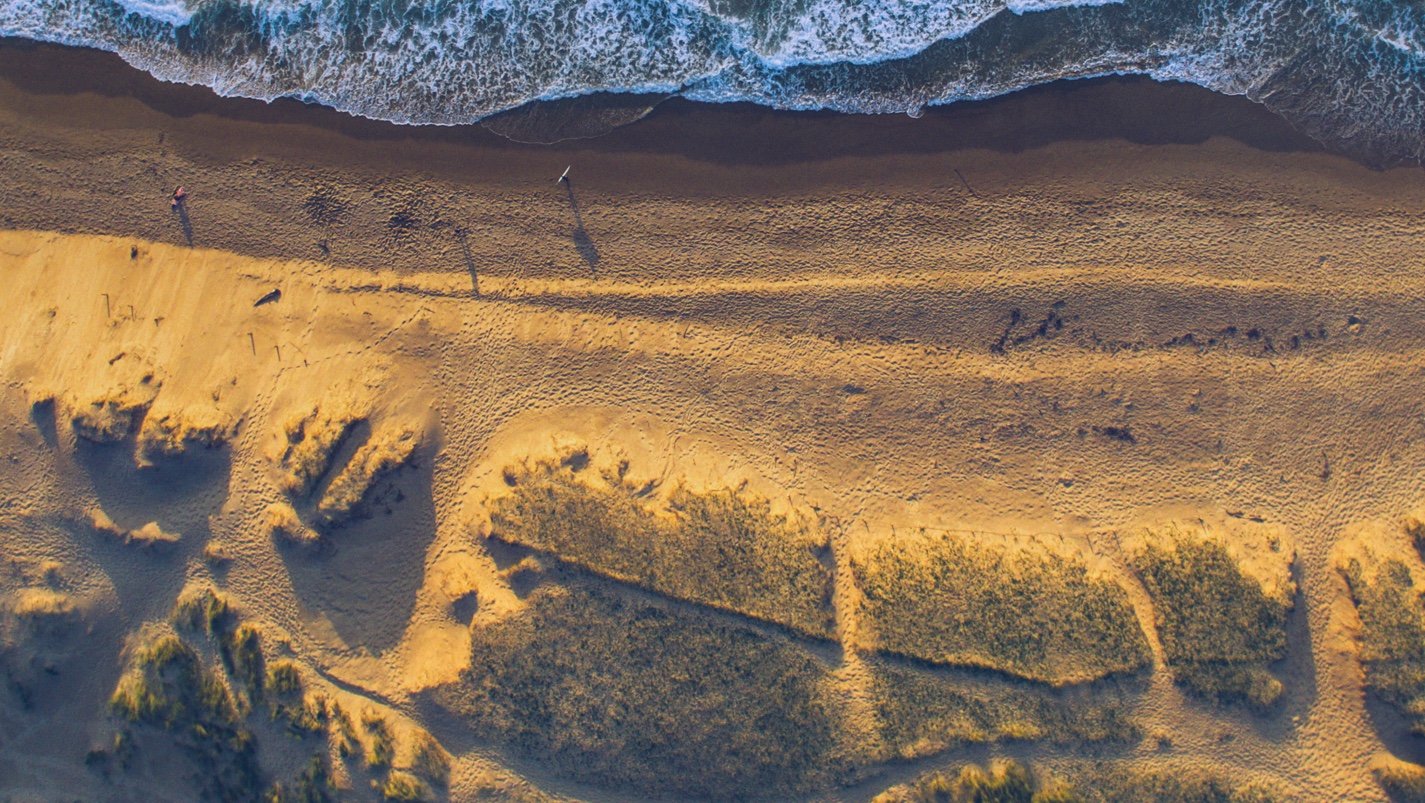
As soon as you leave the airport, your best bet is to head south and have your first weekend splash in the ocean. Maspalomas and Playa del Inglés await you with their large tracts of pale yellow sand where you can sunbathe safely all year around. If you’re looking to switch off real quick, take an adventurous stroll in the heart of the sand dunes or play golf on one of the quiet courses in the area.
Be sure to visit charming Puerto de Mogán, the ideal spot for promenading and savouring fresh fish in any of the restaurants at the seaside.
Friday
Begin the day by taking a route across the north of the island. And where better than to aim for the town of Arucas, where homes are harmoniously interspersed with banana plantations? Its most striking landmark is the Neogothic Church of San Juan Bautista, built with stone quarried in the municipality itself. Another highlight of your itinerary is the Arehucas rum factory, where the celebrated beverage is made in the oldest and largest rum distillery in Europe.
On the way to the north-western triangle of Gran Canaria, make a point of visiting the Gáldar Painted Cave, a museum and archaeological park based on a large native deposit. If you then press on towards the picturesque village of Agaete, you will marvel at the rugged rock formations adorning the coastline. Enjoy a sunset there and take time to upload to your social networks some stunning panoramas. Your main subject is likely to be the striking dragon’s tail plotted by the cliff faces which the ocean has eroded over millions of years.
Saturday
Time to discover Las Palmas de Gran Canaria, a modern, cosmopolitan capital city. Have a walk through Vegueta, the historic old town and stop over at the Christopher Columbus House Museum which boasts a valuable cultural legacy encapsulating the relationship which the island has maintained with the Americas for five centuries. The Calle Mayor de Triana has all you need for a busy shopping day, as it is lined with shops stocking both local brands and international labels.
The Pérez Galdós House Museum, where the universally acclaimed Canary Island writer was born, is another point of interest before heading to Las Canteras, one of the finest urban beaches in Spain. Open-air concerts are held there as part of the “Ruta Playa Viva” (Living Beach Route), one of the most attractive leisure proposals in the city.
Sunday
The rich natural heritage of Gran Canaria reaches its climax in the island’s interior. On Sunday you can drop in on the street markets to taste the best of local cuisine and choose a souvenir from among their regional craftwork. Devotion in Teror involves pampering the “Virgen del Pino” (Virgin of the Pine), the patron saint of the Canary Island diocese. This is where you start a climb up to Tejeda and Artenara.
A phenomenon known as the “sea of clouds” spreads out at your feet, in a breathtaking landscape which Miguel de Unamuno described as a “petrified storm”. Look out over the Roque Nublo and Roque Bentayga outcrops; then close your eyes and engrave that stunning picture in your mind’s eye forever. Why wait to experience it for yourself? Check out our flights here.
Images by the Patronato Turismo Gran Canaria
more info
What documentation do I need in order to travel?
It's important to check the documentation you need for flying beforehand in order to avoid last minute surprises. Here is a list of basic documents that you may need on your next trip.
more info
The best pizzas al taglio in Rome
By Silvia Artaza from Gastronomistas
Rome. The Eternal City. One of those places in the world where anyone would want to fall in love. A walk, agelato, the Coliseum. A terrace, some laughter. Going to the Vatican and wishing time would stand still in the Sistine Chapel. Its pastas, its pizzas, itsaperitivi. Getting lost in the Trastevere or sitting in anypiazza. I don't think you really need a reason to fly to Rome but - just in case - here are a few.
We've chosen pizzaal taglio(by the slice) as an excuse for our trip because we think it's a great way to take in Rome on a tourist's day out. The fact is that Rome has many things but if there's one thing that it can really shout about, it's an overwhelming abundance of monuments, art and culture.
You will find pizzaal taglioat every corner. In apanificio, in afornoor in bars withtavola calda(hot table) where there are tables to sit at. You can't miss it. If you find yourself in front of a big glass counter, then you've found those pizzasal taglio.
Forget typical pizza. These pizzasal tagliohave a characteristic texture and thickness. They require a high water content in the dough, they have to be spongy and you will find them with lots of ingredients. It is a cheap, fast and - if you know how to choose well - really delicious formula. They are sold in portions by weight, premises are small and there may not even be tables.Street foodRoman style in the pure state. Here's our top choice:
Forno Campo de 'Fiori
They have been producing all kinds of breads, pizzas and other specialities in thisfornofor over 30 years. Their pizzabianca(just the dough, without any type of ingredient) is one of the best in the city. Spongy and crunchy. No tricks. Light. You can have it on its own, use it as bread for a sandwich or give it a savoury filling or something sweet likenutella.
Campo De' Fiori, 22 http://www.fornocampodefiori.com/
Antico Forno Roscioli
Another classicalfornoa few steps from thepiazzaCampo de’Fiori. Here we also find the "barest" specialities of pizzaal tagliosuch as thebiancaor therossa, which only has pomodoro (tomato) and is the one that sells most. Other varieties also come out of the oven, such as the Caprese, with fresh mozzarella, raw tomatoes and basil. Spongy dough and crunchy crusts.
Via dei Chiavari, 34 http://www.salumeriaroscioli.com/
Pizza Zazà
Also central - very near the Pantheon and the Piazza Navona. It is open longer hours than thefornoso you can pop by at supper time too. Its pizza dough is fermented for 72 hours and they work with fresh, organic ingredients with no animal fat. We tried the spinach one with fresh mozzarella and the salmon one. We had seconds with the mushroom one. Very good.
Piazza di Sant’Eustachio, 49. http://www.pizzazaza.it/it/index.html
Pizzarium
This is a little further away but it's worth the visit. Perfect if you're taking a tour of the Vatican. Here you can try the varieties that are a little more creative and risky, such as mortadella with chickpea paste (exactly, it doesn't have tomato or cheese) and fresh ingredients such as aubergine, artichoke, spinach, ham or pumpkin flowers.
Via della Meloria, 43
Trapizzio
If we're talking about creativity, we can't forget this place. Also far from the centre, this time it's recommended if you're near the Coliseum or the Circus Maximus. Creative because the pizza here is stuffed and served in original cones. Inside? Nothing that might be expected. Here the pizza is stuffed with traditional stews likechicken alla cacciatora,bollito pichiapoorparmigiana di melazane. We also tried thesuppli, a kind of ball-shaped croquette stuffed with rice and more, such as for example, chicken curry. All really good and great staff.
Via Giovanni Branca, 88 http://www.trapizzino.it/
More pizzas al taglio at:
Angelo e Simonetta. Via Nomentana 581
Pizzeria Serenella. Via Salaria 70
Volpetti Più. Via Alessandro Volta 8
Pizzeria Gegè. Piazza Vescovio 17
Farro Zero. Via Alfonso Rendano 31
Other tips for eating in Rome:
Now that we've been there, we'll tell you - because we didn't just eat pizza on our getaway. Pasta is another of the big names in Italian cuisine, which is prepared in a thousand and one ways depending on the area. In Rome you will find a large variety but there's alwaysSpaghetti alla carbonara,Bucatini all’amatriciana(tomato sauce, a kind of bacon, pecorino cheese and pepper),Spaghetti cacio e pepe(just with oil, pecorino and pepper) orPenne all’arrabbiata(with garlic and pepper that is a little spicy). Pasta and more, such asaperitivi, an Italian custom of meeting after work to have a spritz and a snack on a selection of dishes, buffet-style, where only the drink has to be paid for. Make a note of these three addresses:
Trattoria Moderna. Cerca de Campo De' Fiori, this trattoriawill win you over through its pastas and its homemade tiramisu. Don't forget to look at the day's specials. We loved the Ravioli with ricottaand spinach with cherry tomatoes and buffalo mozzarella and Tortellini stuffed with meat and served with a cheese sauce. (Vicolo dei Chiodaroli 16)
Navona Notte.A narrow street around the Piazza Navona. Good pastas, risotto and terrinesas antipastiin delicious clay casseroles. We went for the zucchine(courgette) a la parmigianawith buffalo mozzarella, basil , tomato and pecorinoand parmigianocheeses. (Via del Teatro Pace 44)
Freni e Frizioni. A premises in El Trastevere for having your aperitivi. Good atmosphere and a square full of people in one of liveliest districts in the city. It also has a cocktail bar (Via del Politeama 4 – 6 http://www.freniefrizioni.com/ )
Where to sleep:
If you know Rome, then you already know that Termini is one of the best options for accommodation. If not, we recommend it to you, because all transport from the airport goes there and it is a very well-connected area, both for getting around on foot and also for getting away by bus, underground or train.
We stayed at the Eurostars International Palace (Via Nazionale, 46 http://www.hoteleurostarsinternationalpalace.com/) a recommendable hotel in the area. Comfortable, in a good location, with very friendly staff and a breakfast that, of course, is added to the list of gastronomic tips that we are giving you here. Sweet items, different breads, cold meats, cheeses, or heavier options such as eggs or salad, or fresh fruit... everything! It feels great to start a day of tourism in Rome like this - a city that we won't tire of recommending you to walk around, experience and enjoy. Buon appetito!
Makes you want to go, right? Do it! Check out our prices here!
more info
Christmas in A Coruña
Christmas means decoration, gifts, ornaments, rituals, celebrations and much more. But, it is also a season when we probably have some extra leisure time. If you use it this year to visit A Coruña, you can get involved in a number of activities scheduled up to the moment the Three Wise Men arrive. Here, then, are our Christmas tips, and an introduction to two restaurants with Michelin stars not far from the city.
Atlantic Christmas
The María Pita Christmas Village opens to the public in early December and offers children’s activities, magic, games, music and gifts. Toddlers and infants will have a whale of a time here with the plethora of activities tailored to their needs. Children, the main focus of Christmas cheer, will be treated to a new edition of Nadaliño, a show featuring games and educational activities hosted in Palexco.
The A Coruña Science Museums have also scheduled a special programme for the season which entails learning while having fun. As ever, the festivities come to a close with the Grand Cavalcade of the Kings (Three Wise Men), a parade through the city’s streets, full of surprises, on the magical night of 5 January.
But, not everything has been devised for children. We adults can also enjoy these festivities. So, if you’re coming to A Coruña, be aware that there are numerous concerts on offer, as well as the premiere of several musicals and an Afro-American Gospel Music Festival.
Lastly, in the afternoon of the 31st, the customary San Silvestre Coruñesa race starts in the Plaza de María Pita and finishes at the Obelisco, for those who want to see the old year out in good shape and shed some of the calories acquired during the long holiday week.
Gastro-Visit
While you’re here, we recommend a getaway to two restaurants in the area with a Michelin star:
As Garzas
O Porto de Barizo, Barizo, 15113 Malpica de Bergantiños, A Coruña
Chef: Fernando Agrasar
Located in the heart of the Costa da Morte (Coast of Death), opposite the Sisargas islands, the restaurant is housed in the hotel of the same name, a building with large windows that seem to lean out over the cliff edge. The dining-room is a relaxing, modern space with a formidable fireplace and just eleven tables set around it. The cuisine at As Garzas bears a sea flavour – that of the Atlantic in pristine state. Their chef, Fernando Agrasar, asserts that the cuisine is not avant-garde but creative. Sans impositions or any pointless elaborateness.
Key to the menu is the Galician fish and seafood, crafted into veritable pleasure bites. While liable to seasonal variation, grouper and sea bass always take pride of place. The rices, too, especially their lobster rice. Apart from an impressive seasonal menu, As Garzas also offers a carefully curated menu for “those reluctant to make a choice”. There are 12 to 14 dishes in all (bearing in mind that two of them are desserts), which vary in terms of the season and market, with innovation as the restaurant’s hallmark.
Retiro da Costiña
Av. de Santiago, 12. 15840 Santa Comba, A Coruña
Chef: Manuel Costiña
Set in a stately manor halfway between Santiago de Compostela and the Costa da Morte, each area in the Retiro is meticulously designed for enjoying each occasion. For appetizers, a wine cellar with a star-studded ceiling, while lunch and dinner are hosted in a spacious, stone-walled dining-room. And, for after-dinner, an elegant salon with a fireplace.
Retiro offers market cuisine with the most appetising dishes in season. No kidding – Galicia rules! So, it requires no effort to find such marvels as razor clams from Fisterra, grouper from Aguiño, hake from O Celeiro or oysters from O Freixo. Aside from the delicious menu, Manuel offers two tasting menus, one of which is carefully paired by the sommelier. And, there’s more – the wine cellar! In addition to a striking wine list, they have another featuring liqueurs, each with over 800 items. Enological gems such as 40- or 50-year-old Macallan whisky.
There you have it – what’s in store for you if you visit A Coruña over Christmas. Check out our flights here.
Text by Turismo de A Coruña
Images by Turismo de A Coruña, Retiro, As Garzas
more info